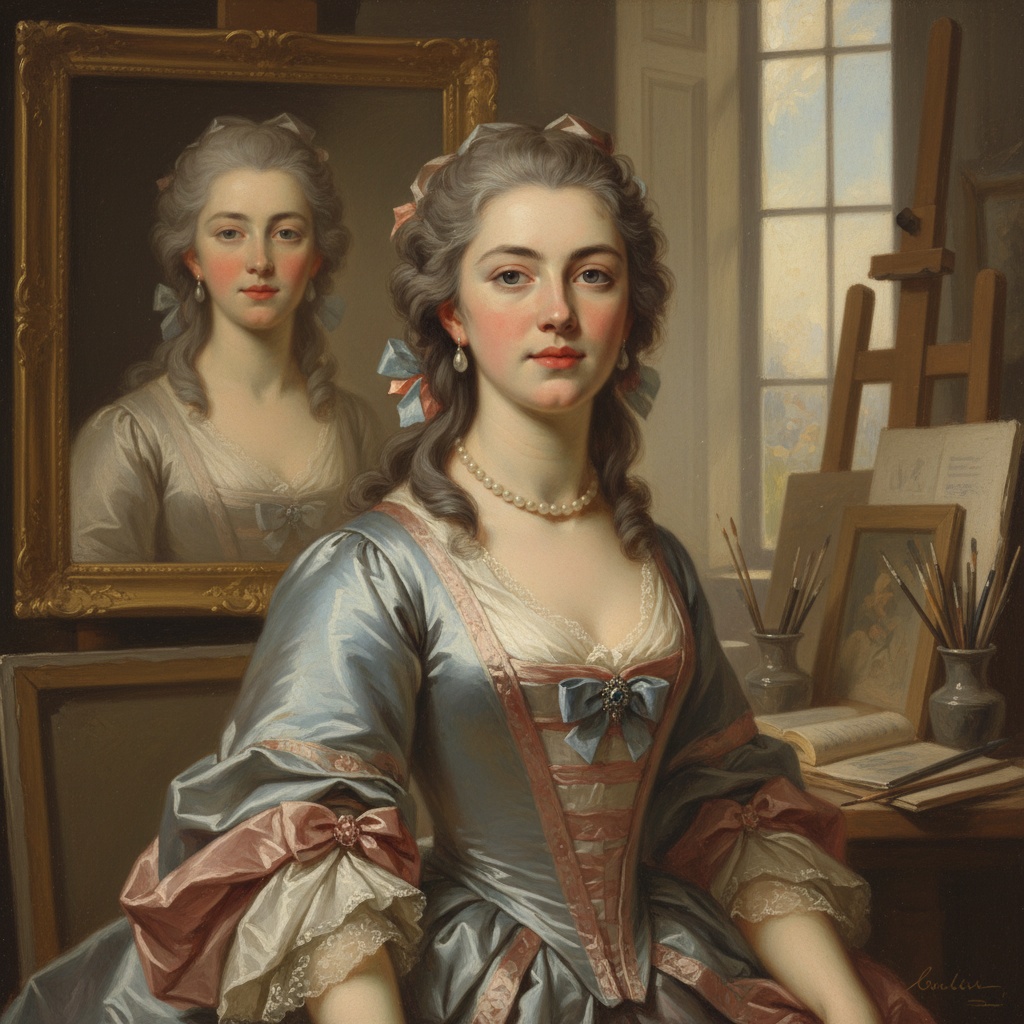
The Rise of Rococo: A Shift in Artistic Sensibility
Rococo painting represents the expression in painting of an aesthetic movement that flourished in Europe between the early and late 18th century, migrating to America and surviving in some regions until the mid-19th century. The painting of this move...
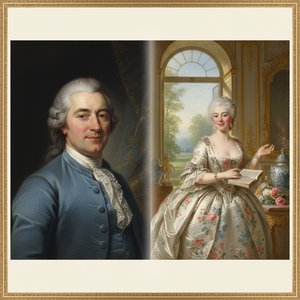
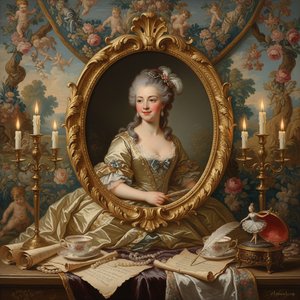
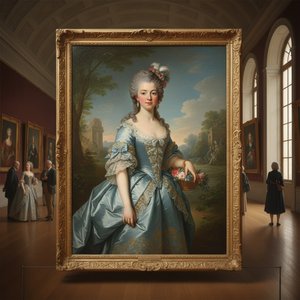
The early 18th century witnessed a dramatic departure from the grandeur and solemnity of the Baroque era, giving rise to the Rococo movement – a style characterized by its elegance, playfulness, and intimate scale. Emerging initially as an interior design trend within the French aristocracy, Rococo quickly permeated painting, sculpture, and even music. It wasn’t merely a stylistic shift; it reflected a changing worldview, one that prioritized pleasure, leisure, and refined sensibilities over the weighty themes of power and religion. Where Baroque art sought to overwhelm with its scale and drama, Rococo aimed to delight with its delicate ornamentation and lighthearted subject matter. This new aesthetic found fertile ground in the salons and private residences of France’s elite, fostering an environment where artists could explore a more personal and intimate form of expression.
Liotard's Early Life & Influences: From Geneva to Rome
Born in 1702 in Geneva, Jean-Étienne Liotard emerged from a family steeped in artistic tradition – his parents were Huguenot refugees fleeing religious persecution in France. This background instilled in him a sense of independence and a cosmopolitan outlook that would shape his career. While initially trained in miniature painting by Daniel Gardelle, Liotard quickly demonstrated an aptitude for capturing likeness with remarkable precision. His early travels to Paris exposed him to the prevailing artistic currents, but it was his extended sojourn in Rome during the 1730s that proved pivotal. There, he honed his skills as a portraitist, attracting commissions from prominent cardinals and even Pope Clement XII himself. However, Liotard wasn’t content with simply replicating existing styles; he sought to infuse his work with a new level of naturalism and psychological insight.
Mastering Pastel & Enamel: Liotard’s Technical Innovations
Vitreous enamel, also called porcelain enamel, is a material made by fusing powdered glass to a substrate by firing, usually between 750 and 850 °C (1,380 and 1,560 °F). The powder melts, flows, and then hardens to a smooth, durable vitreous coating....
Liotard distinguished himself through his mastery of pastel – a medium that allowed for an unprecedented degree of softness, luminosity, and spontaneity. He wasn't merely applying color; he was building up layers of pigment with delicate strokes, creating textures that mimicked the subtle nuances of skin and fabric. His technique involved a meticulous layering process, often employing fixatives to preserve the fragile surface of the pastel. But Liotard’s innovation didn’t stop there. He also became renowned for his work in enamel painting, a demanding art form requiring exceptional precision and control. Vitreous enamel, as it is known, involved fusing powdered glass to metal at high temperatures, resulting in a remarkably durable and vibrant surface. Liotard's ability to seamlessly blend pastel and enamel techniques set him apart from his contemporaries.
Orientalist Visions: The Turkish Scenes and Their Impact
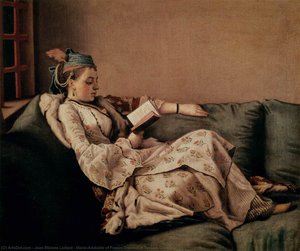
Perhaps the most captivating aspect of Liotard’s oeuvre is his series of paintings depicting scenes of life in Constantinople, where he resided for four years beginning in 1738. These weren't simply exotic depictions intended to satisfy Western curiosity; they were carefully observed studies of Turkish domestic life, rendered with an astonishing level of detail and sensitivity. Liotard immersed himself in the culture, adopting local customs – even wearing Turkish attire – which earned him the nickname “the Turkish painter.” His paintings offer a rare glimpse into the everyday lives of Ottoman society, portraying interiors, portraits, and genre scenes with remarkable authenticity. Lady in Turkish Dress Holding a Fan, for example, showcases his ability to capture both the elegance and intimacy of his subjects. This fascination with the Orient wasn’t merely aesthetic; it reflected a broader European interest in non-Western cultures during the Enlightenment.
Portraiture as a Mirror of Society: Capturing the Elite
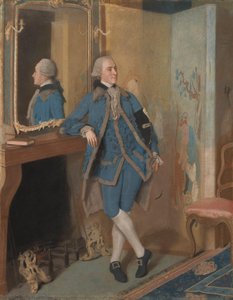
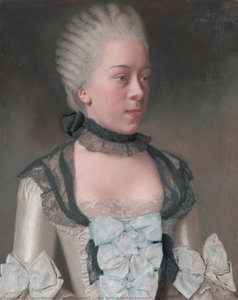
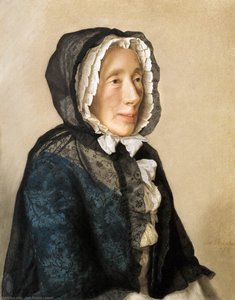
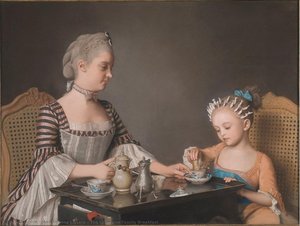
While Liotard's Turkish scenes garnered significant attention, he remained primarily a portraitist throughout his career. His portraits weren’t simply representations of physical likeness; they were insightful studies of character and social status. He had an uncanny ability to capture the personality of his sitters – their intelligence, their wit, their vulnerabilities. The Lavergne Family Breakfast, painted in 1754, exemplifies this skill, portraying a moment of familial intimacy with remarkable naturalism. Portrait of Maria Theresa, Sovereign of Austria, Hungary and Bohemia, demonstrates his ability to convey authority and dignity while maintaining a sense of human warmth. Liotard’s portraits were highly sought after by the European aristocracy, serving as symbols of wealth, power, and refined taste.
Liotard's Legacy: Naturalism and its Enduring Influence
Jean-Étienne Liotard left an indelible mark on 18th-century art. His commitment to naturalism – his desire to depict subjects with honesty and psychological depth – challenged the prevailing conventions of Rococo portraiture. He eschewed artificiality in favor of a more direct and intimate approach, paving the way for later generations of artists who sought to capture the complexities of human experience. His innovative use of pastel and enamel techniques expanded the possibilities of these mediums, inspiring countless artists to experiment with new materials and approaches. Today, Liotard’s works are celebrated for their exquisite beauty, technical brilliance, and insightful portrayal of 18th-century society. Discover his timeless masterpieces and explore the elegance of Rococo portraiture at ArtsDot.