The Genesis of Rebellion: From Mid-Century Consumerism to Confrontational Aesthetics
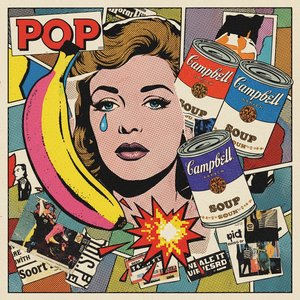
To understand the visceral impact of Aggressive Pop Art, one must first look back at the polite boundaries of the mid-century era. While the initial wave of Pop Art in the 1950s and 60s sought to bridge the gap between high culture and the everyday objects of consumerism, it often did so with a certain detached, ironic coolness. Figures like Andy Warhol utilized the repetitive, mechanical aesthetics of mass production to comment on the ephemeral nature of fame and commodity. However, beneath this veneer of commercial detachment, a more turbulent energy began to stir—a desire to move beyond mere observation toward active confrontation.
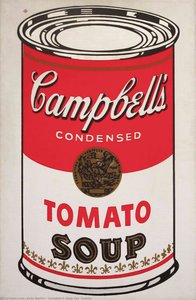
This rebellion was not merely about subject matter; it was an ontological shift in how art engaged with the viewer. Where traditional Pop Art might present a soup can as a static icon of stability, the emerging aggressive strains sought to destabilize that very stability. The movement began to absorb the anxieties of the late 20th century—the sensory overload of television, the political upheavals of the era, and the increasingly loud, saturated noise of global advertising. It was no longer enough to mirror the world; art had to strike back at it, using the very tools of mass media to critique its overwhelming power.
As this aesthetic evolved, it shed the clinical precision of early screen-printing in favor of a more kinetic, almost violent application of form. This transition marked the birth of a style that did not ask for permission to be seen but demanded attention through sheer visual force. It was a movement born from the friction between the glossy promise of advertising and the gritty reality of a rapidly changing social landscape.
The Visual Language of Aggression: Saturated Hues, Bold Outlines, and Kinetic Energy
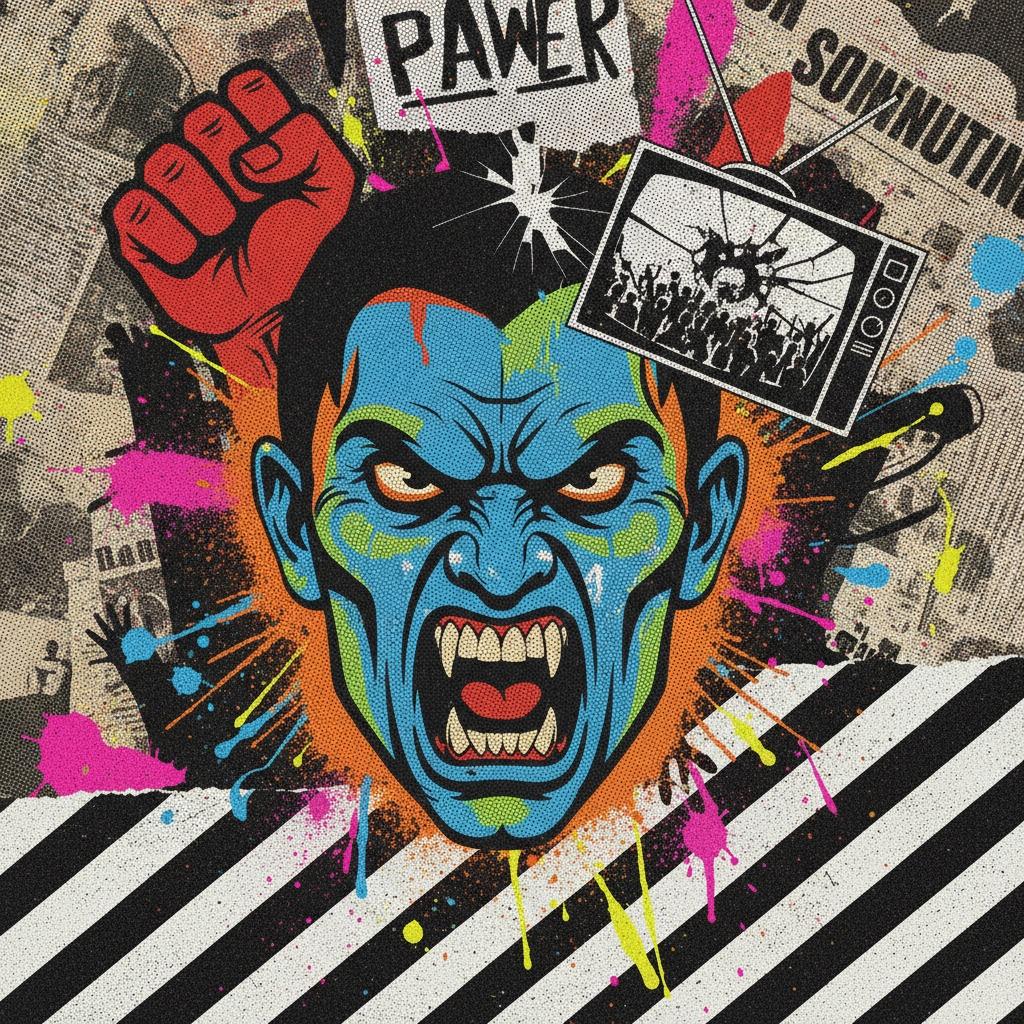
The technical vocabulary of Aggressive Pop Art is unmistakable, characterized by a sensory bombardment that leaves little room for the eye to rest. The primary instrument in this visual assault is the use of hyper-saturated, often clashing hues. We see the emergence of what might be termed chromatic chaos—the deployment of neon pinks, electric blues, and acid greens that vibrate against one another. This is not the harmonious color theory of the Renaissance; it is a deliberate attempt to trigger a physiological response in the viewer, mimicking the retinal fatigue caused by modern digital interfaces.
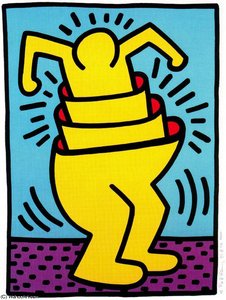
Complementing this chromatic intensity are the bold, uncompromising outlines that define every shape within the composition. These heavy contours serve a dual purpose: they provide a structural anchor for the exploding colors, yet they also lend a graphic, almost aggressive weight to the imagery. In works such as those by Caroline Pelletier, one observes how these thick boundaries create a sense of containment that feels perpetually on the verge of bursting. The energy is often further amplified through kinetic abstraction—the use of drips, splatters, and jagged, lightning-like strokes that suggest movement and instability.
This technique creates a profound tension between the controlled graphic element and the uncontrolled expressive gesture. It is a symphony of contradictions where the precision of a commercial logo meets the raw emotion of an action painting. For the student of art history, this represents a fascinating convergence of Pop's graphic clarity and Abstract Expressionism's gestural intensity, resulting in a style that is as much about physical impact as it is about visual communication.
Iconography Reimagined: Deconstructing Mass Media and Pop Culture Symbols
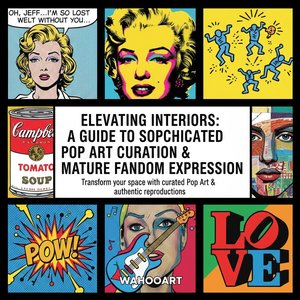
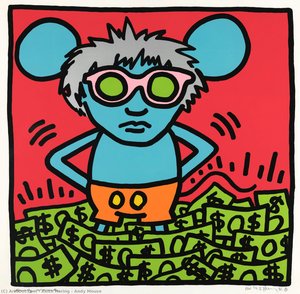
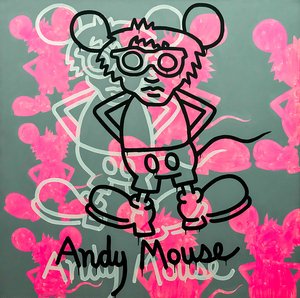
At the heart of this movement lies the subversion of the familiar. Aggressive Pop Art takes the beloved icons of our collective consciousness—the cartoon characters, the celebrity faces, the corporate logos—and subjects them to a process of deconstruction. Consider the way Keith Haring’s Andy Mouse recontextualizes the innocence of Mickey Mouse by infusing it with the commercial weight and stylistic markers of Warhol. By blending these two titans of pop culture, the work creates a meta-commentary on the cyclical nature of fame and the inescapable grip of branding.
This deconstruction often involves a process of fragmentation or "remixing." The artist might take a recognizable face and subject it to a modular grid, as seen in Chromatic Echoes, where the individual is broken down into CMYK color components. This serves to remind the viewer that in the age of mass media, our identities are often constructed from the very pigments and pixels of the advertisements we consume. The icon is no longer a sacred object; it is a malleable piece of data, capable of being stretched, distorted, and reassembled to reveal deeper, more unsettling truths.
By stripping these symbols of their original, comforting context, Aggressive Pop Art forces us to confront the underlying mechanics of desire and consumption. The imagery becomes a mirror that reflects not just what we love, but how we are manipulated by the very things we love. It is a profound interrogation of the semiotics of modern life, turning the tools of propaganda into instruments of critical insight.
Neo-Pop and the Contemporary Edge: The Evolution of Aggressive Imagery in Modern Art
As we move into the contemporary era, the spirit of rebellion has found new expression through Neo-Pop. This modern iteration continues to push the boundaries of confrontation by integrating even more complex layers of technology and globalized culture. Artists like Etienne Schmitt and Maxime Cordier exemplify this evolution, utilizing neon palettes and psychedelic aesthetics to navigate the hyper-saturated landscape of the 21st century.
The contemporary edge is defined by an even greater blurring of the lines between high art and digital glitch. We see the rise of "Neon Drip Abstraction," where the traditional iconography of Pop is dissolved into a sea of luminous, fluid forms. This reflects our current lived experience—a state of constant flux where information is perpetually streaming, and the boundaries between the physical and the virtual are increasingly porous. The aggression here is less about a direct strike and more about an overwhelming immersion.
Furthermore, Neo-Pop artists often engage with themes of political and historical collage, using bold colors to tackle heavy subject matter. This allows for a unique form of social commentary that is simultaneously accessible and deeply layered. It is a movement that refuses to be relegated to the past, instead constantly reinventing itself to remain as loud, vibrant, and disruptive as the era it inhabits.
The Legacy of Impact: How Confrontational Pop Art Redefined the Boundaries of Fine Art
The enduring legacy of Aggressive Pop Art lies in its successful expansion of the emotional range of the Pop movement. It proved that the language of the everyday could be used to express profound anxiety, political dissent, and existential dread. By breaking the "fourth wall" of the canvas through visual intensity, it fundamentally altered the relationship between the artwork and the spectator, transforming the viewer from a passive observer into an active participant in a sensory encounter.
This movement has paved the way for countless contemporary practices, from street art to digital media art, all of which draw upon its lessons of bold graphicity and iconoclastic spirit. It challenged the sanctity of the museum space by bringing the "noise" of the street and the screen into the gallery, forever altering the aesthetic expectations of modern collections. The boundaries of fine art were not just pushed; they were shattered by the weight of these vibrant, confrontational compositions.
For those who seek to preserve this legacy in their own environments, the study of these works offers a window into the pulse of modern culture. Whether through the meticulous study of historical techniques or the acquisition of high-quality reproductions that capture the true depth and texture of the original brushstrokes, the impact of this movement remains as potent today as it was at its inception. It serves as a permanent reminder that art's greatest power often lies in its ability to disturb, to provoke, and ultimately, to awaken.
At ArtsDot.com, we are dedicated to making the profound impact of these movements accessible to collectors and enthusiasts worldwide. Our studio specializes in creating museum-grade, hand-painted oil reproductions that capture the true essence of aggressive and contemporary aesthetics—from the thick, tactile impasto of a modern masterpiece to the vibrant, saturated hues of Neo-Pop. Whether you are looking to commission a custom "remix" of a historical icon or seeking a high-quality print to anchor a modern space, our master artists ensure that every piece reflects the soul and energy of the original movement.