The Post-War Crucible: The Emergence of Color Field from Abstract Expressionism
 Color Field Painting: The Emotional Power of Pure Abstraction and Chromatic Depth
The Post-War Crucible: The Emergence of Color Field from Abstract Expressionism Beyond the Brushstroke: A Definitive Guide to the Emotional Power of Color Field Painting The Genesis of Abstraction: From Post-War Trauma to the Rise of Color Field Beyo...
To understand the genesis of Color Field painting, one must first confront the heavy, fractured atmosphere of the mid-twentieth century. The aftermath of World War II left a profound scar on the collective human psyche, creating a world grappling with unprecedented trauma, existential uncertainty, and the shattering of established social norms. In this climate of deep disillusionment, the traditional modes of representation—the landscapes that once offered solace or the portraits that anchored identity—seemed suddenly inadequate to articulate the complexities of a fractured reality. The New York art scene of the 1940s and 50s became a crucible for a seismic rupture from tradition, as artists sought a language capable of expressing the unutterable.
Initially, this revolution manifested through the visceral, spontaneous energy of Action Painting. Artists like Jackson Pollock utilized drips and energetic gestures to turn the canvas into an arena of physical event, seeking to express inner anxieties and the subconscious mind. However, as the movement matured, a distinct current began to emerge—one that sought to move away from the theatricality and self-consciousness of the gestural brushstroke. This was the birth of Color Field painting, a movement born not from a desire for chaos, but from a search for a more fundamental, unmediated truth within the medium itself. It was a transition from the event of painting to the essence of color.
Beyond the Gesture: Defining the Aesthetics of Chromatic Abstraction
Color-field painting, with Action painting, one of two major strains of the 20th-century art movement known as Abstract Expressionism or the New York school.
The distinction between the gestural intensity of Abstract Expressionism and the serene expansiveness of Color Field is best understood through the lens of formalist criticism. During the late 1940s and early 1950s, the influential critic Clement Greenberg began to identify a dichotomy within the New York School. While Harold Rosenberg championed the "action" and the physical struggle of the artist, Greenberg observed a tendency toward an all-over color or field that prioritized the flatness of the picture plane. In Color Field painting, the emphasis shifted away from the individual brushstroke and toward an overall consistency of form and process.
This aesthetic approach is characterized primarily by large fields of flat, solid color spread across or stained into the canvas, creating areas of unbroken surface. By eliminating the "hand" of the artist—the visible, agitated marks of the brush—these painters allowed color to be freed from objective context. In this realm, color becomes the subject in itself. The movement places less emphasis on the drama of creation and more on the immersive experience of the viewer, inviting a meditative engagement with the pure, unadulterated weight of hue and light.
Titans of the Canvas: Exploring the Masterpieces of Rothko, Newman, and Still
--- title: Colour field painting | Tate url: https://www.tate.org.uk/art/art-terms/c/colour-field-painting hostname: tate.org.uk description: Tate glossary definition for colour field painting: Term used to describe the work of abstract painters work...
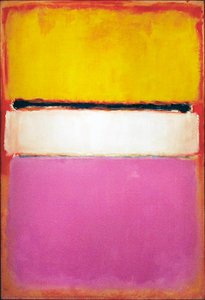
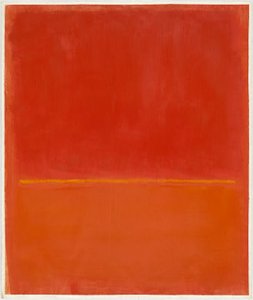
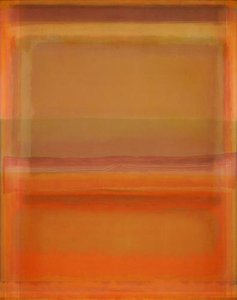
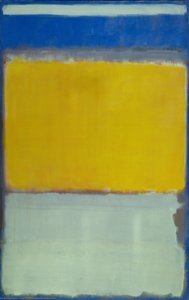
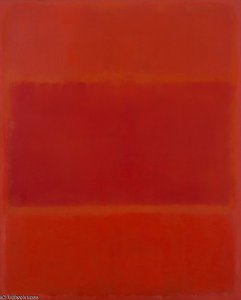
To gaze upon the defining works of this era is to step into a realm where emotion reigns supreme through chromatic depth. The movement was anchored by figures such as Mark Rothko, whose luminous, hovering rectangles of color evoke a sense of the infinite and the divine. His work does not merely present color; it envelops the human spirit, creating a space for profound psychological resonance. Alongside him, Barnett Newman utilized his iconic "zips"—vertical lines of color that pierce through vast expanses—to define space and create a sense of monumental presence.
We also find the rugged, elemental textures in the work of Clyfford Still, whose jagged forms and heavy applications of pigment suggest a landscape of raw, primordial energy. These masters transformed the canvas into an environment rather than a window. At ArtsDot.com, we hold a deep reverence for these canonical works. Our mission is to bring this history into the modern home through hand-painted oil reproductions. Unlike mere prints, our artists work on 100% cotton canvas, meticulously recreating the depth and tonal range of these masterpieces. Whether it is the soft, glowing transitions of a Rothko or the commanding presence of a Newman, our reproductions are designed to serve as a window into this transformative era of art history.
The Subjectivity of Hue: Color as Emotion and Pure Form
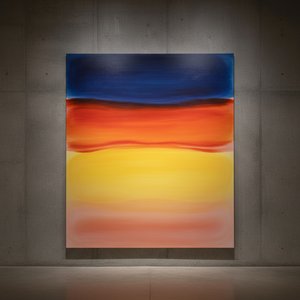
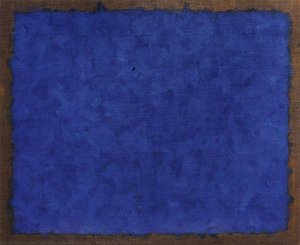 Blue Color Field
A Symphony of Azure: The Immersive World of Blue Color Field In the vast landscape of contemporary abstraction, few works command the room with such quiet authority as Amelia Amorim Toledo’s Blue Color Field . Created in 1999, this masterpiece serves...
In the world of Color Field, color is stripped of its narrative burden. There is no sky, no sea, and no figure; there is only the temperature and weight of the pigment. This allows for a pure, visceral experience where the boundaries between the canvas and the surrounding space begin to blur. The choice of palette becomes a profound psychological tool. A deep, saturated blue can command a room with quiet authority, evoking both the infinite sky and the melancholic depths of the ocean. Conversely, vibrant oranges or magentas can create a sense of vibration that seems to pulse against the retina.
This subjectivity allows each viewer to bring their own emotional landscape to the work. The painting becomes a mirror for the observer's internal state. This is why Color Field art remains so potent in contemporary interior design; it provides an atmospheric anchor that does not dictate a story, but rather sets a mood. Through our Professional Digital Mockup Service, we can even assist collectors in seeing how these specific color palettes will interact with the light and architecture of their own spaces, ensuring that the emotional resonance of the artwork is perfectly aligned with their environment.
Technical Evolution: From Stained Canvases to Contemporary Textural Depth
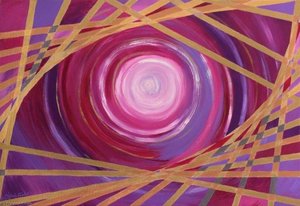 Purple and Gold Abstract
Explore 'Purple & Gold Abstract' by Michele Elizabeth Field (2005). This dynamic oil painting showcases swirling forms, impasto texture, and vibrant hues – a captivating piece of abstract expressionism.
The technical innovations of the 1960s further expanded the boundaries of the movement. Artists like Helen Frankenthaler pioneered the "soak-stain" technique, thinning oil or acrylic paints so they would sink directly into the raw canvas. This process eliminated the distinction between the pigment and the support, creating a seamless, ethereal luminosity that felt as though the color were part of the very fabric of the work. This was a radical departure from the thick, impasto textures of earlier expressionism.
Yet, the evolution of abstraction has never been linear; it continues to oscillate between the flat and the tactile. In contemporary practice, we see a fascinating return to texture, where the interplay of light and shadow on a raised surface adds a new dimension to the color field. Our artists are specialists in these specific genres, capable of recreating everything from the delicate stains of Frankenthaler to the heavy, sculptural impasto that characterizes more modern, textured abstractions. By using high-quality oils and flexible gesso, we ensure that every brushstroke—whether a subtle wash or a bold ridge—is preserved with museum-grade integrity, protecting the vibrancy of these pure colors for generations to come.