
The Alchemy of Pigment: Understanding the Composition and Tactility of Pastel
--- title: Pastel - The Metropolitan Museum of Art url: https://www.metmuseum.org/perspectives/materials-and-techniques-drawing-pastel hostname: metmuseum.org description: Pastel is made from ground pigments, a white filler like calcium carbonate or ...
To encounter a true pastel work is to step into a realm where the boundary between pigment and air begins to dissolve. Unlike the heavy, structural permanence of oil paint, which relies on a substantial medium to bind color to canvas, pastel offers an ethereal immediacy. At its most fundamental level, the medium is composed of pure, concentrated pigment held together by a minimal amount of binder—often a minuscule trace of gum tragacanth or methyl cellulose. This lack of heavy resin allows the eye to perceive not merely color, but a delicate dusting of light that seems to vibrate against the surface of the paper.
The magic of this medium lies in its physical interaction with the substrate. Because the pigment sits atop the grain of the paper rather than being forced into it through heavy oils, there is an inherent velvety texture that defines the medium's character. This creates a unique vocabulary of softness and tactility; when one gazes upon a masterwork, the eye perceives a multidimensional depth. The presence of inert white fillers, such as calcium carbonate or kaolin, provides a structural body to the sticks while maintaining their characteristic ability to crumble slightly when stroked across a support. It is this very fragility—this lightness of touch—that imbues pastel art with its signature romanticism.
A Chronology of Light: From Renaissance Sketches to Impressionist Mastery
 The Subtleties of Pastel: A Comprehensive Exploration of Technique, History & Emotional Resonance
A Renaissance Revival: The Origins & Early Masters of Pastel Though often associated with the delicate luminosity of Impressionism, the story of pastel is far older—a fascinating journey tracing back to the Renaissance and beyond. The medium wasn’t ‘...
While many modern enthusiasts associate the soft glow of pastels with the luminous era of Impressionism, the story of this medium is far older and more profound. The history of pastel is a fascinating journey tracing back to the Renaissance, where artists sought ways to capture fleeting impressions directly onto paper, bypassing the more laborious processes of fresco or oil painting. We find early traces of dry pigment application in the notebooks of Leonardo da Vinci, whose experiments with dry color laid the groundwork for future generations. As the medium evolved, it gained considerable popularity in the 18th century, becoming a preferred language for portraiture and the documentation of aristocratic elegance.
However, it was during the Impressionist revolution that pastel reached its zenith. The history of the medium is inextricably linked to the evolution of light in Western art. While oil painters often struggled with long drying times when attempting to capture the transient shifts of a sunset, pastel artists possessed the ability to record the instant. This immediacy allowed them to chase the sun, translating the ephemeral movements of dawn and dusk into tangible form. The medium became the essential tool for those seeking to document the transient nature of modern life, where light is never static but always in motion, capturing the very essence of a moment before it vanishes.
The Artist's Hand: Exploring Techniques of Layering, Blending, and Scumbling
 Oil pastel
Oil pastel is a type of pastel (an art medium that consists of powdered pigment and a binder) that uses mixture of non-drying oil and wax as binder. It differs from other pastels which are made with a gum or methyl cellulose binder, and from wax cray...
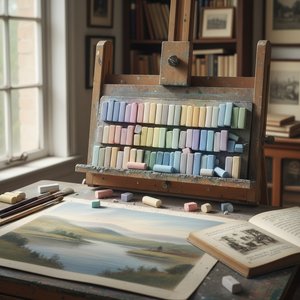
The technical execution of a pastel masterpiece requires a delicate balance between additive and subtractive processes. Because the medium is so much more direct than oil, the artist’s hand is intimately involved in every stroke. One can achieve areas of light, airy tones by applying the broad side of the stick gently to reveal the texture of the paper, or create highly saturated, defined strokes by applying greater pressure with the tip. This versatility allows for a layering process where artists build up luminous clouds of color, creating a sense of atmospheric depth that is difficult to replicate in any other medium.
< p>Beyond simple application, techniques such as blending and scumbling allow for the creation of seamless gradients and textured highlights. Soft pastels, which contain a higher proportion of pigment and less binder, are particularly suited for smudging and blending, allowing colors to bleed into one another with a dreamlike quality. Conversely, artists may use more controlled strokes to create sharp contrasts. In some instances, such as the work of contemporary masters or the specialized oil pastels that utilize wax and oil binders, the surface becomes less powdery and more saturated, offering a different kind of visual intensity. This interplay between the soft, blended transitions and decisive, textured marks is what gives a pastel drawing its structural integrity.Beyond the Surface: The Emotional Resonance and Atmospheric Depth of Pastel Art
 Pastel Drawing of John La Rose
A Portrait of Resilience: The Soul of John La Rose In the delicate, textured strokes of Gordon de la Mothe’s 1978 pastel drawing, we encounter more than just a likeness; we meet a legacy. The subject, John La Rose, stands as a monumental figure in th...
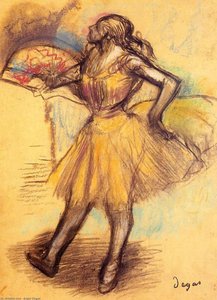
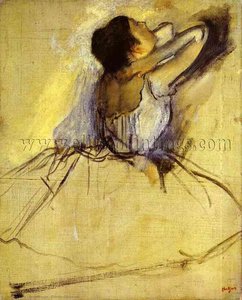
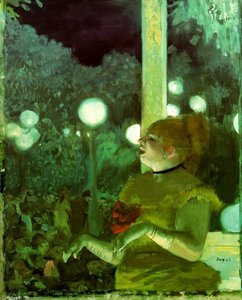
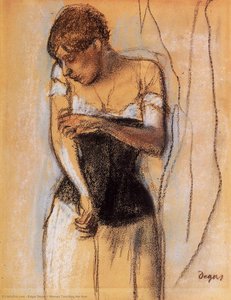
There is a profound emotional resonance inherent in the medium that transcends mere visual representation. Because pastel art often captures a sense of movement and emotion—as seen in the dynamic, atmospheric portraits of Edgar Degas or the soulful, textured drawings of contemporary figures like Gordon de la Mothe—it invites the viewer into a state of quiet contemplation. The ability to manipulate light and shadow through soft, blended textures allows for a gentle transition across features, lending an organic, almost tactile quality to the subject matter. This can evoke everything from the monumental weight of history to the delicate fragility of a human moment.
The medium possesses a dual personality: it can be both ethereal and gritty. On one end of the spectrum, we find the romantic and the sublime, where light-drenched techniques create a sense of timeless elegance. On the other, the physical presence of the pigment can convey a sense of raw, unadulterated emotion. This range allows pastel to serve as a powerful tool for exploring complex ideas, from the connection between humanity and the natural world to the political resilience of cultural icons. When an artist masters the subtle power of pastel, they are not just painting a subject; they are capturing the very soul of the atmosphere.
Curating Texture: Integrating Pastel Masterpieces into Modern Interior Design
 Soft Texture, High Impact: The Ultimate Buyer's Guide to Mastering Pastel Art for Modern Interiors
Beyond the Hype: Why Pastel Art is the Ultimate Texture Play for Your Space In a world dominated by the high-definition, hyper-saturated glare of digital screens and the flat, glossy finish of mass-produced posters, there is a growing hunger for some...
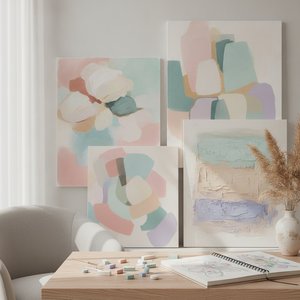
In an era dominated by the high-definition, hyper-saturated glare of digital screens and the flat, glossy finish of mass-produced prints, there is a growing hunger for something more tactile. This is precisely why pastel art has emerged as a sophisticated choice for the modern collector. Integrating a pastel work into a contemporary space introduces a layer of sensory complexity that provides a much-needed counterpoint to the hard edges of modern furniture and the industrial textures of urban living. It is not merely about color; it is about the physical presence of pigment.
For the discerning decorator or collector, a pastel piece offers a way to curate an atmosphere of depth and sophistication. The medium’s ability to provide both soft, blended gradients and sharp, decisive strokes creates a sense of movement even in stillness. Whether one chooses a large-scale landscape that brings the tranquility of nature indoors or a focused, intimate portrait that serves as a historical focal point, pastel art adds a dimension of "soft power" to an interior. By choosing works that celebrate texture and light, you are not just decorating a wall; you are investing in a piece of art history that breathes life and soul into the modern home.