

The Weight of Eternity: Understanding the Concept of Divine Judgment in Art History
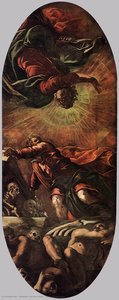
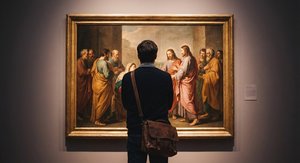
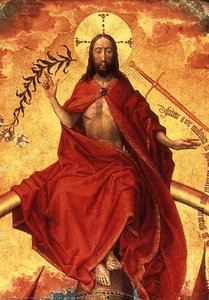
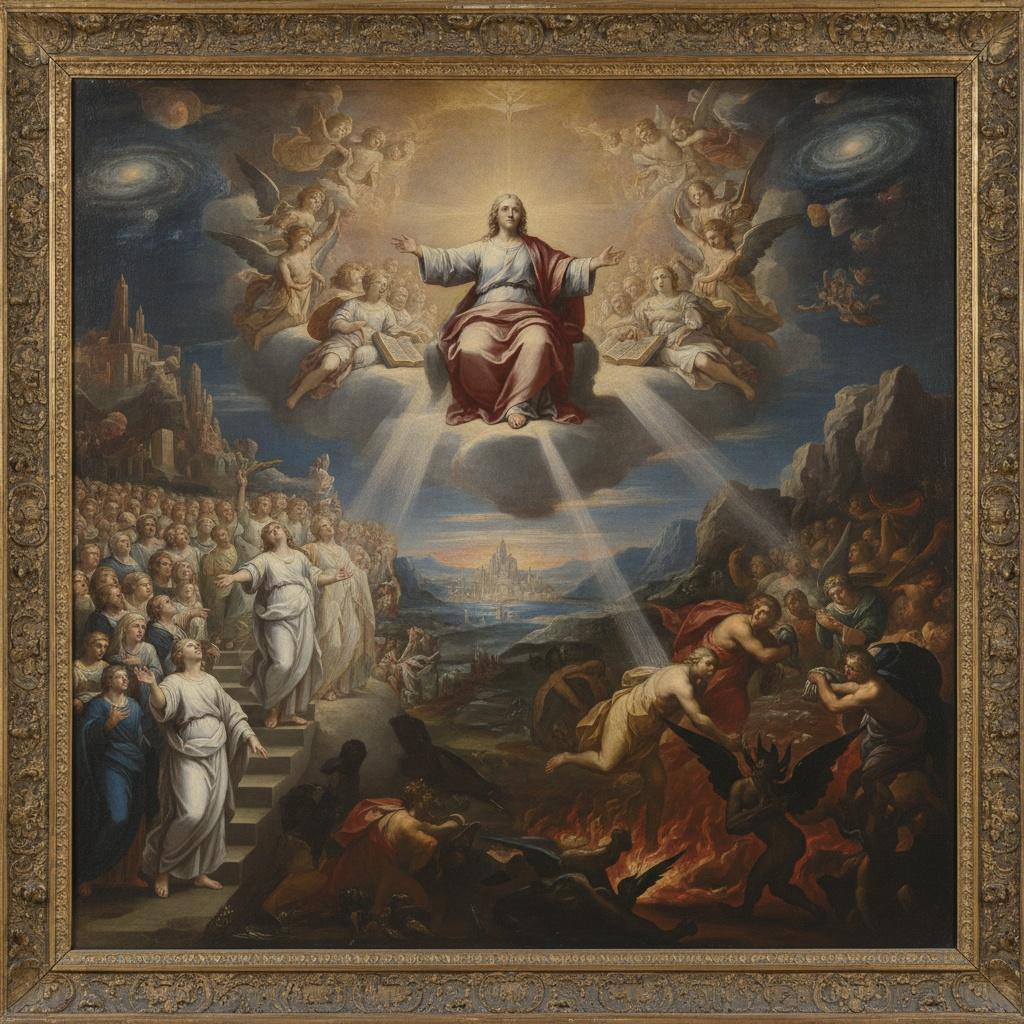
To stand before a grand depiction of the Last Judgment is to feel the very air thicken with the gravity of existence. For centuries, the concept of divine reckoning has served as one of the most profound anchors in the Western artistic consciousness, acting not merely as a religious illustration but as a mirror held up to the human soul. This theme explores the intersection of the temporal and the eternal, where the fleeting actions of a single lifetime are weighed against the infinite scales of cosmic justice. It is a subject that demands much from both the artist and the observer, requiring a vocabulary of symbols that can articulate the unspeakable weight of moral consequence.
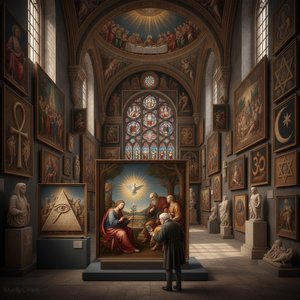
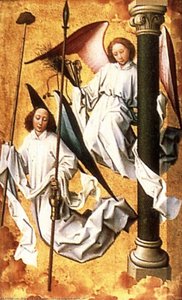
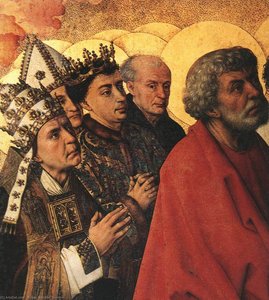
In the great cathedrals and silent chapels of Europe, these narratives were woven into the very fabric of architecture, ensuring that every gaze upward met a reminder of the divine order. The iconography of judgment—the scales, the celestial light, the separation of the blessed from the damned—functions as a visual liturgy. For the seasoned lover of art, these works are not merely relics of a bygone era of piety; they are profound meditations on the human condition, capturing that breathless moment where time ceases to exist and only the essence of truth remains. It is an exploration of the sublime, where the terror of the unknown meets the comfort of a structured universe.
Light, Shadow, and the Soul: How Painters Capture the Sublime and the Infinite
The mastery of light and shadow, or chiaroscuro, has always been the primary tool through which artists communicate the presence of the divine. To capture the sublime is to manipulate the spectrum of visibility itself, using deep, velvety shadows to represent the mysteries of the mortal realm and piercing, luminous highlights to signify the intrusion of the eternal. When an artist directs light across a canvas, they are not simply illuminating a scene; they are choreographing a spiritual encounter. The way light clings to a saint’s visage or dissolves into the darkness behind a fallen figure creates a psychological depth that transcends mere pigment on canvas.
This interplay of luminosity and obscurity allows for a sensory experience of the infinite. In the most profound works, the light does not merely reflect off surfaces; it seems to emanate from within them, suggesting a source that is beyond the physical world. For those of us who have spent decades tracing the brushstrokes of the masters, we recognize that this technique is what allows a painting to breathe with life. The subtle gradations of tone create a sense of atmosphere so palpable that one can almost feel the temperature of the divine radiance or the chilling dampness of the shadows, bridging the gap between the viewer’s reality and the celestial vision.
From Terror to Transcendence: The Evolution of Iconography and Sacred Narratives
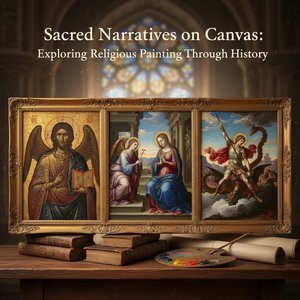
The history of sacred art is a journey from the stark, symbolic rigidity of early iconography to the emotive, dramatic complexity of later movements. In the earliest traditions, the focus was on clarity and doctrinal accuracy; figures were often depicted with a formal, hieratic stillness, intended to convey an unchanging truth. The imagery was instructional, designed to guide the faithful through a clear hierarchy of heaven and hell. There was little room for individual emotion, as the emphasis remained on the collective experience of the divine law.
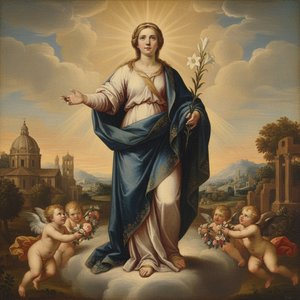
As artistic sensibilities evolved, particularly through the Renaissance and into the Baroque, this narrative shifted toward the theatrical and the deeply human. The terror of judgment began to be depicted with a visceral, muscular intensity, where the struggle of the soul was rendered through twisting bodies and turbulent compositions. Yet, alongside this growing drama, there emerged a parallel movement toward transcendence. Artists began to find beauty in the resolution of conflict, using softer palettes and more harmonious arrangements to suggest that, beyond the chaos of judgment, lies a state of eternal peace. This evolution reflects a deepening human understanding of grace—a realization that the divine is found not only in the awe-inspiring power of the storm but also in the quietude of the light.
The Impressionist Gaze: Finding the Eternal in the Fleeting Moments of Light
While the grand themes of judgment and eternity are often associated with the heavy oils of the Old Masters, there is a beautiful, unexpected resonance within the Impressionist movement. To the untrained eye, a Monet or a Renoir may seem far removed from the weighty theological debates of the past. However, for the true connoisseur, Impressionism offers a different way to experience the eternal. By focusing on the ephemeral—the way light dances upon a lily pond or how a shadow stretches across a sun-drenched meadow—these artists captured the very heartbeat of time.
The Impressionist gaze finds the sublime in the transient. There is a profound, quiet divinity in the realization that a single moment of perfect light will never be repeated exactly as it is. In the soft, broken brushstrokes of Pissarro or the luminous textures of Sisley, we see an attempt to freeze the infinite within the fleeting. It is a secular form of transcendence; instead of looking toward a celestial courtroom, we look toward the sanctity of the present moment. This movement teaches us that the eternal is not just something waiting for us at the end of life, but something that is constantly unfolding around us, hidden in the shimmer of an afternoon sunbeam.
Preserving the Sacred: The Enduring Legacy of Masterworks in Modern Collections
In our modern, fast-paced world, the presence of these profound narratives in our homes and collections serves as a vital anchor. To possess a reproduction of a masterwork is to invite a dialogue with history into one's private sanctuary. Whether it is a large-scale oil painting that commands a room with its dramatic shadows or a delicate Impressionist landscape that offers a moment of respite, these works provide a sense of continuity and depth that mass-produced decor can never replicate.
The true value of such art lies in its ability to endure. A hand-painted oil reproduction, with its visible texture and rich tonal range, carries the soul of the original artist into the contemporary space. It allows us to preserve the sacredness of these historical themes, ensuring that the lessons of light, shadow, and eternity continue to inspire new generations. As we curate our lives and our spaces, we are not just decorating walls; we are building a legacy of contemplation, surrounding ourselves with the beauty that has survived the centuries, reminding us always of the sublime truth that lies beyond the veil of the everyday.