The Soul of the Space: How Impressionism Defines Hospitality Ambience
 Elevating Hospitality Aesthetics: The Enduring Legacy of Renaissance and Impressionist Reproductions in Contemporary Hotel Interiors
The Enduring Appeal of Renaissance Masters in Modern Hospitality until Angel with Candlestick Michelangelo’s ‘Until Angel with Candlestick’ – a stunning 1501 marble sculpture. Explore its chiaroscuro, serene beauty & Renaissance mastery at AllPaintin...
In the high-stakes world of luxury hospitality design, the atmosphere of a lobby or a private suite is defined by far more than the finest linens or the most ergonomic furniture; it is shaped by the intangible quality of light and the emotional resonance of the visual environment. For the discerning designer, art has never been mere decoration. It is an unspoken narrative, a carefully curated atmosphere designed to resonate with guests on a profound, subconscious level. Historically, grand hotels mirrored the collections of the wealthy elite, showcasing status and refined taste through heavy, academic realism. Today, however, the landscape is shifting toward a demand for authenticity and storytelling—experiences that feel uniquely tailored to the soul.
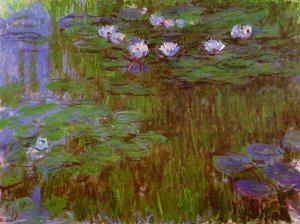
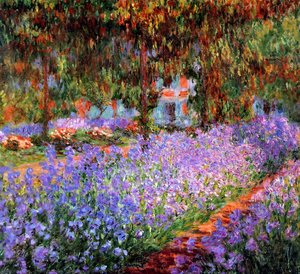
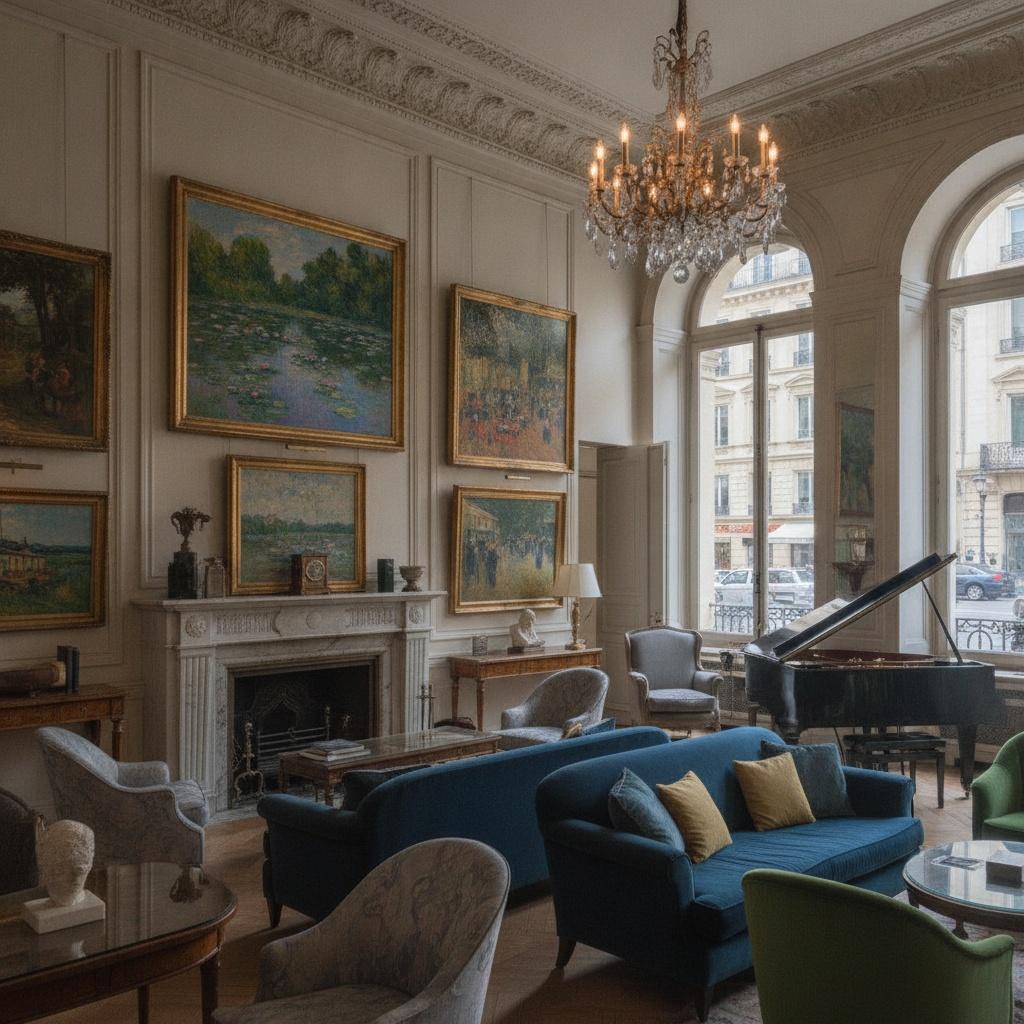
This is where the legacy of Impressionism offers an unparalleled gift. To step into a space adorned with Impressionist works is to enter a world bathed in dappled sunlight, where colors dance and shimmer with an ethereal glow. Unlike the rigid, photographic realism of traditional academic art, Impressionism focuses on the sensation of a moment. It captures not just what was seen, but how it was felt. By integrating these masterpieces, a designer can transform a transient hotel lobby into a sanctuary of light, offering a sensory experience that lingers in the guest's memory long after they have checked out.
Capturing the Ephemeral: Utilizing Light and Color to Soften Modern Architecture
 Contemporary Impressionism: A Procurement Guide to Modern Light and Color for Professional Hotel Interiors
The Aesthetic Impact: Utilizing Impressionist Light to Enhance Hospitality Ambience Impressionism's Legacy: 10 Masterpieces That Transformed Art & Decor Introduction Imagine stepping into a world bathed in dappled sunlight, where colors dance and shi...
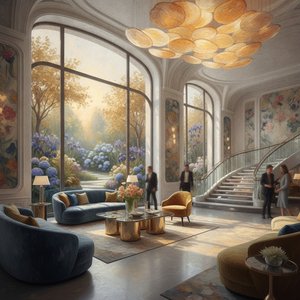
Modern hospitality architecture often leans toward the sleek, the structured, and sometimes, the sterile. Hard edges, expansive glass, and polished stone can create a sense of grandeur, yet they can also lack warmth. Impressionism provides a sophisticated solution for designers seeking to manipulate this perception. The movement’s hallmark technique—loose, feathery brushstrokes that prioritize atmosphere over precise detail—acts as a visual balm, softening the hard edges of contemporary construction.
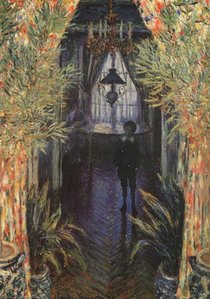
Consider the works of American masters like William Merritt Chase. In pieces such as Interior or Interior, Oak Manor, we see a mastery of capturing intimate moments through the play of light on surfaces. His ability to depict the plushness of fabric and the sheen of glass through short, broken strokes of color creates a shimmering effect that breathes life into a room. When these textures are translated onto large-scale canvases within a hotel setting, they introduce a sense of movement and vitality. The intentional use of a vibrant palette—rejecting the somber tones of the past in favor of light-drenched hues—allows a designer to introduce tranquility or energy through purely visual, light-based stimuli.
From Serenity to Intensity: Navigating Impressionist and Post-Impressionist Moods
 Post-Impressionism Guide: Bold Colors and Expressive Masterpieces for Professional Hotel Decorators
Defining Post-Impressionism: Beyond Light to Emotional Depth for Hospitality Interiors Beyond Impressionism: Exploring the Emotional Depth of Post-Impressionist Painting The Seeds of Rebellion: From Impressionism’s Light to New Visions Wikipedia: Pos...
A truly sophisticated interior requires a nuanced understanding of emotional depth. While the Impressionists were masters of the ephemeral—the fleeting dance of light and the atmospheric haze of a single moment—the subsequent Post-Impressionist movement introduced a profound structural depth that is essential for creating spaces with lasting impact. For the professional decorator, this transition represents a shift from mere visual observation to deep emotional resonance.
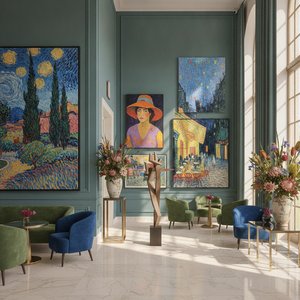
Post-Impressionism offers an unparalleled toolkit for those seeking to move beyond decoration toward true atmospheric storytelling. Artists like Jean-Edouard Vuillard moved beyond naturalistic concerns to explore intimacy and stillness. In works such as Nude Seated in an Armchair, the use of muted tones and flattened planes creates a private, dreamlike sanctuary. For a hotel suite, this provides a sense of stability and psychological intensity. Conversely, the bolder, more expressive applications of paint—the thick impasto technique—can be used to anchor a space with weight and narrative. By selecting between the light-obsessed focus of Impressionism and the structural, emotional power of Post-Impressionism, a designer can curate a brand identity that ranges from serene and airy to bold and intellectually stimulating.
Curating a Narrative: Strategic Art Placement for Lobbies, Suites, and Lounges
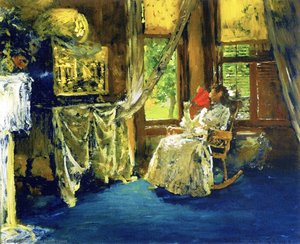
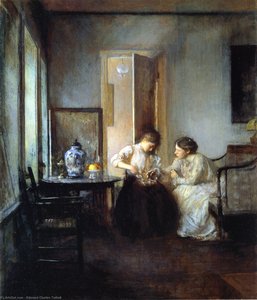 New England Interior
New England Interior: A Window into Impressionistic Domesticity Edmund Charles Tarbell’s “New England Interior,” completed in 1906, stands as a quintessential example of American Impressionism—a movement that fundamentally challenged the conventions ...
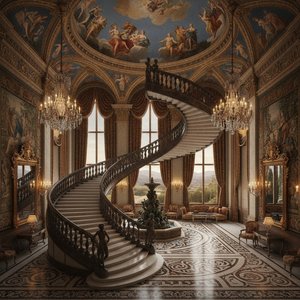
The placement of art within a hotel is an exercise in architectural rhythm. A wide, sweeping staircase or a grand, expansive wall demands more than a single focal point; it requires a composition that guides the eye. This is where the modern trend of multi-panel or group set paintings becomes transformative. By splitting a singular masterpiece across three, four, or even five panels, a designer can create a cohesive, modern architectural look that flows seamlessly with the room's proportions.
In more intimate settings, such as private lounges or reading nooks, the goal is to foster connection and quietude. Here, smaller-scale works that emphasize domesticity—reminiscent of Edmund Charles Tarbell’s New England Interior—can invite guests into a serene tableau of everyday life. The strategic use of color matching is also vital; utilizing tools to browse by specific color palettes allows the art to harmonize with the existing upholstery and drapery, ensuring that the painting does not merely sit upon the wall but becomes an integral part of the room's very fabric.
The Bespoke Legacy: Commissioning Hand-Painted Masterpieces for Grand Scale Interiors
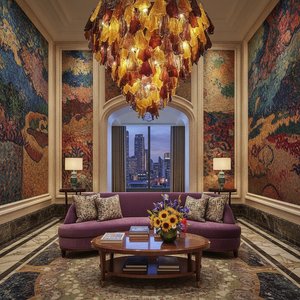 Post-Impressionism Guide: Integrating Bold Colors and Expressive Masterpieces into Luxury Hotel Interiors
Defining Post-Impressionism: The Impact of Color and Texture on Hospitality Aesthetics In the high-stakes world of hospitality design, the atmosphere of a lobby or a private suite is defined by more than just furniture and lighting; it is shaped by t...
For the ultimate expression of luxury, the designer must look toward the bespoke. The true pinnacle of hospitality aesthetics is found in the transition from mass-produced decor to museum-grade, hand-painted reproductions. These are not mere prints; they are works of art that possess a tactile depth—visible brushstrokes and a deeper tonal range—that no digital reproduction can replicate. A hand-painted oil on cotton canvas carries the soul of the artist, offering a physical presence that commands respect.
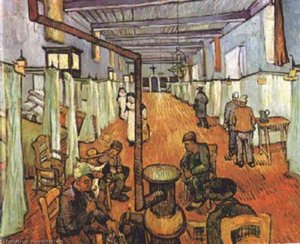
The possibilities for customization allow designers to "remix" art history to suit their specific vision. One might request a contemporary landscape to be reimagined in the light-drenched style of Monet, or even transform a personal photograph into a masterpiece using the expressive impasto of Van Gogh. From large-format murals that recreate historical ceilings to custom-sized commissions tailored to a specific suite's dimensions, the ability to commission bespoke art ensures that every hotel space tells a story that is entirely its own. At ArtsDot.com, we celebrate this intersection of history and modern luxury, providing the tools for designers to create environments that are not just visited, but truly experienced.