The Foyer as Narrative Prelude: Setting the Tone for Luxury Hospitality
 Architectural Grandeur: Elevating Luxury Foyers Through the Timeless Art of Bespoke Murals
The Threshold of Sophistication: The Foyer as a Narrative Prelude Elevating Entryways: Transforming Foyers with Artful Murals - A Designer's Guide The Foyer's Forgotten Potential: Why Entryways Matter First impressions are paramount. The foyer, often...
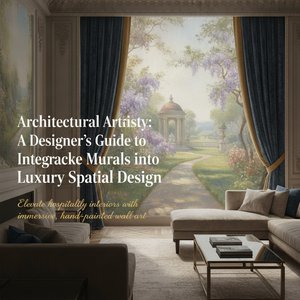
In the realm of high-end hospitality, the arrival is never merely a physical transition; it is a psychological threshold. For the discerning hotel designer, the foyer serves as the silent prologue to a property’s grand narrative, a curated introduction that establishes an immediate sense of identity, sophistication, and grace. To neglect this space is to leave an uninspired message to one's guests, for first impressions are paramount in the architecture of luxury. When a guest steps through the entrance, they are not simply entering a building; they are being invited into a world. A well-conceived entryway holds the profound power to set the tone for the entire estate, transforming a functional passageway into an immersive journey of discovery that whispers promises of the elegance to follow.
The true potential of the foyer lies in its ability to act as a canvas for storytelling. By treating this transitional zone with the same reverence as a private suite or a grand ballroom, designers can utilize art to communicate the soul of the brand. Whether through subtle textures or sweeping visual statements, the entryway establishes the property's prestige long before a guest reaches the reception desk. It is here that the concept of the threshold of sophistication takes root, turning a simple walk through a door into a profound encounter with curated beauty.
The Renaissance Legacy: Integrating Frescoes and Murals into Modern Architecture
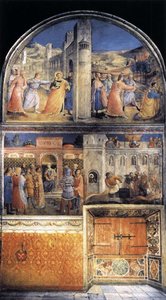
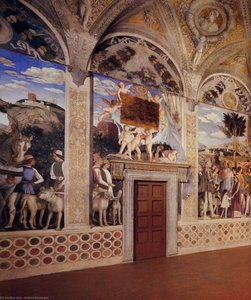
 Fresco
Fresco (pl. frescos or frescoes) is a technique of mural painting executed upon freshly laid ("wet") lime plaster. Water is used as the vehicle for the dry-powder pigment to merge with the plaster, and with the setting of the plaster, the painting be...
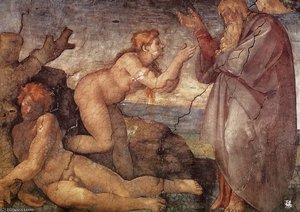
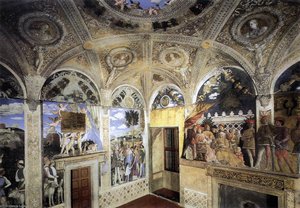
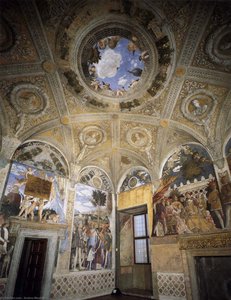
To understand the enduring power of mural art, one must look back to the zenith of technical mastery found in the Italian Renaissance. This era was defined by a conscious revival of classical Greek and Roman principles—symmetry, proportion, and geometry—that transformed urban landscapes through the works of visionaries like Brunelleschi and Bramante. The technique of buon fresco, where pigments are applied directly to wet lime plaster, allowed art to become an integral, inseparable part of the architecture itself. This method creates a sense of permanence and depth that modern printing simply cannot replicate, as the pigment merges with the very bones of the wall.
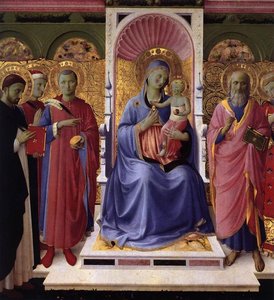
The echoes of this period still resonate in contemporary luxury design. We see it in the way the luminous, ethereal visions of Fra Angelico utilize soft ochres and blues to create a sense of serene contemplation within monastic spaces. Even the more muscular, industrial grandeur of Diego Rivera’s Mexican Muralism demonstrates how large-scale works can capture the essence of an era through vibrant, dynamic compositions. By integrating these historical motifs—whether through the delicate modeling of Renaissance figures or the bold, geometric energy of 20th-century masters—designers can bridge the gap between antiquity and modernity, lending a sense of historical weight and cultural depth to even the most contemporary hotel structures.
Mastering Scale: The Impact of Grand-Format Art on Spatial Perception
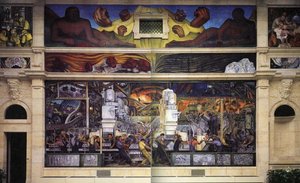 Detroit Industry, North Wall
The Mastery of Mexican Muralism Diego Rivera's "Detroit Industry, North Wall" is a monumental fresco that epitomizes the power and grandeur of Mexican Muralism. As one of Rivera's most celebrated works, this mural captures the essence of industrial l...
Scale is the silent language of grandeur. In large-scale architectural projects, the use of grand-format art serves to manipulate spatial perception, making vast lobbies feel intimate or expansive halls feel monumental. A single, sweeping mural can anchor a room, providing a focal point that directs the eye and defines the boundaries of the space. This is particularly effective in foyers with high ceilings or long corridors, where smaller, fragmented pieces might fail to command the necessary attention.
When we consider works such as the monumental frescoes of Constantino Brumidi, we witness how art can occupy and transform a volume of space. Large-scale compositions allow for a complex interplay of color and form that guides the viewer’s gaze through intricate scenes, much like a symphony of visual movement. For the hotel designer, mastering this scale means using art not just as decoration, but as an architectural element that shapes how a guest perceives the very dimensions of the property. A well-placed, large-scale work can turn a dauntingly large atrium into a cohesive, breathtaking environment.
Bespoke Artistry: Customizing Historical Styles for Contemporary Hotel Interiors
 Renaissance art
Renaissance art (1350 – 1620) is the painting, sculpture, and decorative arts of the period of European history known as the Renaissance, which emerged as a distinct style in Italy in about AD 1400, in parallel with developments which occurred in phi...
The modern designer is no longer bound by the constraints of existing archives; instead, they possess the ability to remix art history. The luxury market now demands bespoke solutions that align perfectly with a specific brand's color palette and aesthetic vision. This allows for incredible creative freedom, such as requesting a contemporary landscape to be rendered in the light-drenched, impressionistic style of Monet, or transforming a modern architectural photograph into a 17th-century masterpiece reminiscent of Rembrandt.
This level of customization extends to the very subject matter of the art. Through advanced digital mockups and professional coordination, designers can commission works that reflect local heritage or specific property milestones. We see this in the rise of "Period Shifts," where modern imagery is reimagined through historical lenses, or in the use of multi-panel layouts that split a single masterpiece across three, four, or five canvases to fit wide, expansive walls. This bespoke approach ensures that the art is not merely "placed" in the room, but is fundamentally designed for the room, creating a seamless integration between the artwork and the interior architecture.
Technical Excellence: The Durability and Craftsmanship of Large-Scale Canvas Murals
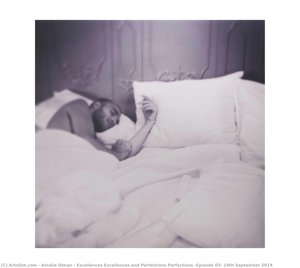 Excellences Excellences and Perfections Perfections (Episode 03) 14th September 2014
Amalia Ulman’s ‘Excellences Excellences…’ captures vulnerability in a muted 14th-century photograph. Explore this intimate, realist work & its connection to Instagram art.
For the hospitality professional, the longevity of an investment is as critical as its beauty. While traditional frescoes are bound to plaster, the modern evolution of architectural art allows for the creation of massive, hand-painted murals on high-quality canvas rolls. These works are engineered for durability and ease of installation, much like high-end wallpaper, yet they retain the tactile depth of a true oil painting. Each stroke is applied by hand on 100% cotton canvas, ensuring visible brushwork and a rich tonal range that digital prints lack.
The chemistry of preservation is paramount in these large-scale commissions. Using flexible gesso to prevent cracking and specific oils, such as safflower, to ensure whites remain pristine and do not yellow over time, our artists adhere to strict academic standards. Every finished piece is protected with a coat of Damar varnish, shielding the surface from the dust, moisture, and atmospheric pollutants common in high-traffic hotel environments. This commitment to craftsmanship ensures that the grandeur of the foyer remains vibrant for generations, protecting the property's aesthetic legacy.
Curating the Arrival: Strategic Art Placement for Unforgettable Guest Experiences
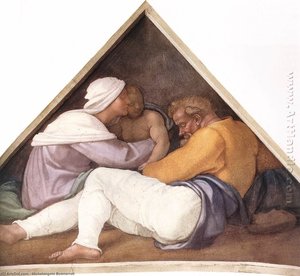
Ultimately, the curation of a hotel’s entrance is an exercise in strategic storytelling. Every placement must be intentional, every color choice calculated to evoke the desired emotional response. From the use of lunettes—arched recesses above doorways—to create intimate pockets of beauty, to the deployment of massive, floor-to-ceiling murals that demand awe, the designer’s hand is visible in every detail. The goal is to create a cohesive environment where the art, the architecture, and the guest experience converge.
At ArtsDot.com, we specialize in supporting this vision for the global hospitality industry. As a premium full-service marketplace, we provide B2B services tailored specifically for hotel designers and architects, offering everything from custom-sized reproductions to professional art consultations. Whether you are seeking a single bespoke commission or managing large-scale bulk orders for a new property, our expertise in hand-painted oil reproductions and architectural murals ensures that your project is executed with museum-grade excellence. We invite professionals to register for our Trade Program to access volume discounts, custom sizing, and white-label shipping solutions, ensuring that every arrival is nothing short of legendary.