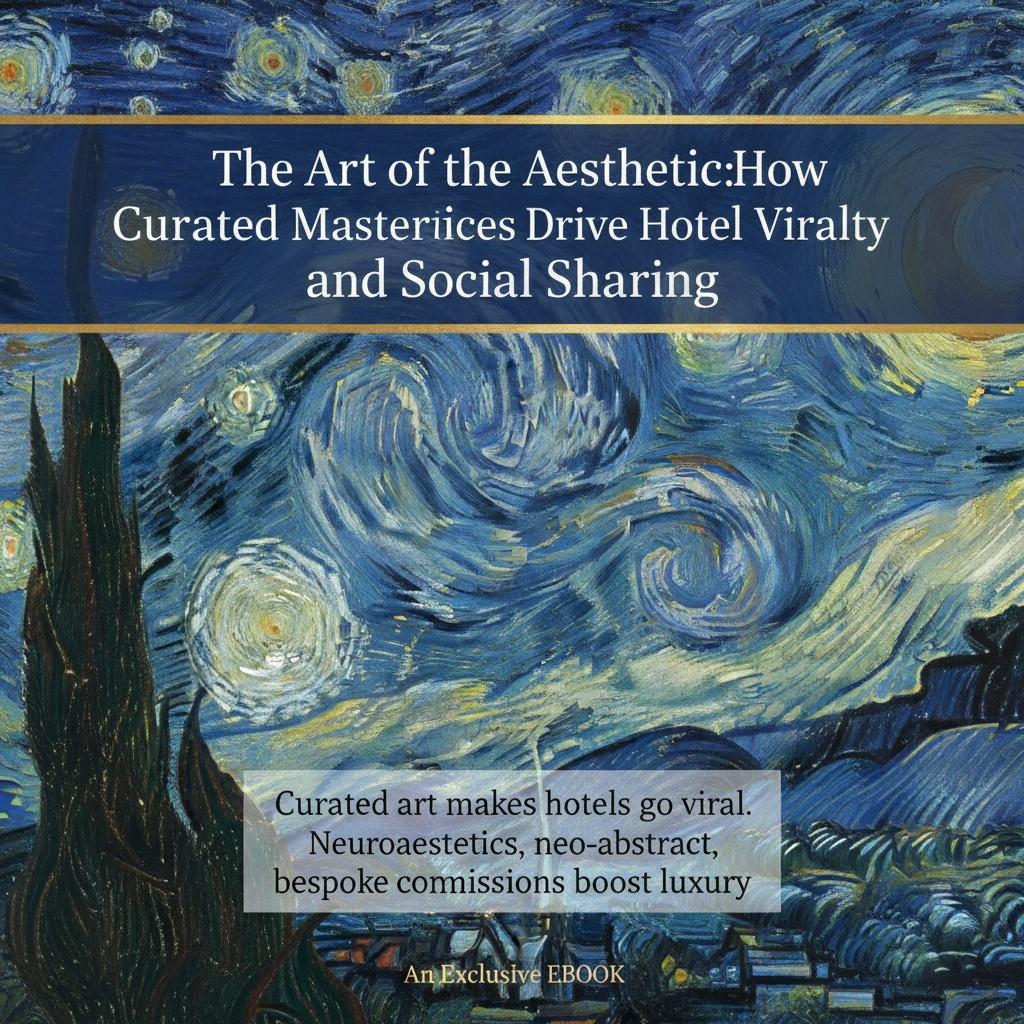
The Neuroaesthetics of Hospitality: How Curated Art Triggers Emotional Resonance
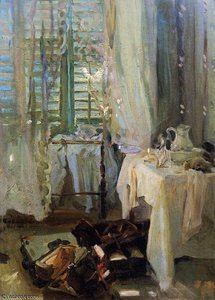
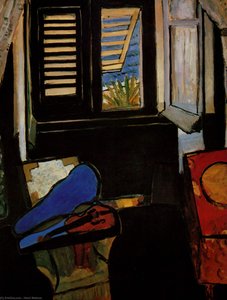 Intérieur au violon, Nice Hôtel Beau Rivage Huile sur Toile Copenhague, Statens for Kunst
A Window onto Serenity: Exploring Matisse’s ‘Interior with a Violin, Nice Hôtel Beau Rivage’ Henri Matisse's “Intérieur au violon, Nice Hôtel Beau Rivage” is more than just a depiction of an interior; it’s a distillation of atmosphere, a quiet sympho...
In the high-stakes arena of contemporary hospitality design, a guest's perception of prestige is forged within mere seconds of crossing the threshold. The modern hotel lobby has undergone a profound transformation; it is no longer merely a functional threshold for check-in, but a curated sanctuary designed to trigger immediate emotional resonance. This phenomenon finds its scientific footing in neuroaesthetics, where the encounter with well-chosen artwork triggers complex neurological responses, releasing dopamine and fostering an instant sense of connection between the traveler and the space.
When a designer selects a piece that speaks to the soul, they are doing more than decorating a wall; they are engaging in deep, visceral storytelling. Consider the quiet symphony of Henri Matisse’s Intérieur au violon, Nice Hôtel Beau Rivage. This work does not merely depict an interior; it distills an atmosphere of serenity and light. By integrating such masterworks, a designer can evoke a sense of tranquility that settles the guest's spirit, transforming a transient passageway into a moment of profound stillness. The art becomes the heartbeat of the architecture, providing a psychological anchor in an increasingly fast-paced world.
The Aesthetic Catalyst: Leveraging Visual Narratives for Organic Social Visibility
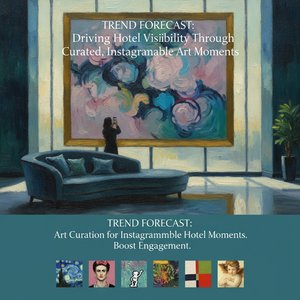 Trend Forecast: Driving Hotel Visibility Through Curated, Instagrammable Art Moments
The Aesthetic Catalyst: Leveraging Art to Drive Organic Social Visibility The Aesthetic Catalyst: Curated Art Collections as Drivers of Organic Social Visibility for the Modern Hotel Experience The Transformative Power of Art: Elevating Guest Experie...
In our current digital epoch, the role of the hotel designer has expanded to include the management of organic social visibility. We are witnessing the rise of the aesthetic catalyst—the use of curated art collections as primary drivers of engagement. In an era where travelers actively search for moments that resonate with their personal narratives, art serves as the ultimate tool for brand amplification. A thoughtfully placed collection does more than decorate; it creates a shareable environment that invites documentation.
The transition from passive observation to active digital sharing turns every guest into a global brand ambassador. When a traveler encounters a striking, museum-quality piece, they do not simply view it—they capture it. This user-generated content provides an authenticity that traditional advertising cannot replicate. By designing spaces anchored by compelling visual narratives, the modern hotel achieves a level of reach across global social networks that is both organic and incredibly potent. The art becomes the very reason for the digital footprint, driving visibility through the sheer power of beauty.
From Lobby to Lounge: Designing Instagrammable Moments through Texture and Scale
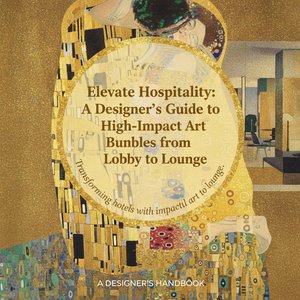 Elevate Hospitality: A Designer’s Guide to High-Impact Art Bundles from Lobby to Lounge
The Narrative Shift: Transforming Hotel Spaces into Immersive Brand Experiences Elevate Hotel Luxury: Transform Your Space with Curated Impressionist Art Collections The Soul of Hospitality: Art as a Narrative Tool for Luxury Hotels Elevating Hospita...
To achieve true virality, a designer must look beyond subject matter and consider the physical language of texture and scale. The concept of "Instagrammable" spaces relies heavily on what can be described as tactile depth. Techniques such as impasto—where paint is applied thickly to create visible, sculptural brushstrokes—offer a sensory richness that photographs struggle to fully capture, yet which compels the viewer to linger. This textural depth creates a sense of luxury and authenticity that flat, mass-produced prints simply cannot convey.
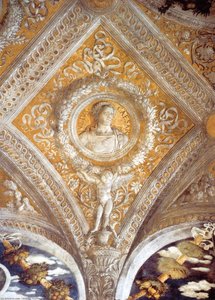
Furthermore, the strategic use of scale can redefine the architectural flow of a lounge or corridor. Large-format murals and expansive multi-panel compositions allow a designer to command attention and guide the guest's journey through a space. Whether it is a massive canvas roll recreating a historical fresco or a contemporary group set painting spanning three or five panels, the use of scale creates "hero moments" within the hotel. These are the focal points that stop a guest in their tracks, providing the perfect backdrop for the digital lens and ensuring the hotel's aesthetic remains unforgettable.
Strategic Curation: Integrating Renaissance Grandeur and Neo-Abstract Energy
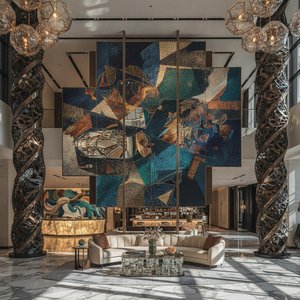 Bold Distortion: A Trend Forecast for Impactful Abstract Art in Luxury Commercial and Hotel Interiors
The Neo-Abstract Surge: Defining the Bold Distortion Trend in Hospitality Neo-Abstract Art Trend Forecast: High-Impact Geometric Compositions for Contemporary Commercial Interiors The Neo-Abstract Surge: Redefining Visual Energy in Modern Hospitality...
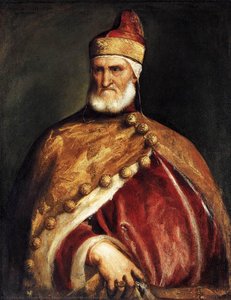
The art of curation lies in the balance between historical reverence and contemporary innovation. For the luxury hospitality professional, the selection of artwork serves as a primary tool for establishing an unspoken dialogue with the guest. The Renaissance offers an unparalleled vocabulary for brand differentiation; by incorporating the balanced proportions of Raphael or the humanistic depth of Michelangelo, a designer signals a commitment to cultural sophistication and intellectual permanence.
Conversely, the modern landscape is currently being redefined by the Neo-Abstract Surge. This movement, often categorized as "Bold Distortion," rejects literalism in favor of high-impact geometric compositions and energetic lines. This trend allows for the creation of a visual identity that feels vibrant and alive. By juxtaposing the timelessness of Renaissance-inspired elements with the kinetic energy of Neo-Abstraction, a designer can create a multi-layered experience. This strategic tension between the old and the new ensures that the hotel feels both established and cutting-edge, catering to the diverse tastes of the global elite.
The Designer’s Toolkit: Using Bespoke Commissions to Define Brand Identity
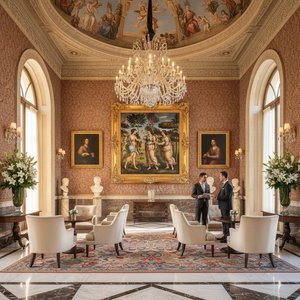 Renaissance Art Guide: Curating Timeless Masterpieces for Luxury Hotel Interiors and Professional Hospitality Design
The Strategic Role of Renaissance Art in Luxury Hospitality Branding Elevating Hospitality Aesthetics: Museum-Quality Art for Luxury Hotels The Transformative Power of Art in Luxury Hospitality Wikipedia: Peace Hotel The Peace Hotel (Chinese: 和平饭店, p...
Ultimately, the most profound way to differentiate a hospitality brand is through the use of bespoke art commissions. Moving beyond the era of ostentatious display, we are entering an age of personalized, immersive brand experiences. The ability to "remix" art history—such as requesting a contemporary photograph be reimagined in the light-drenched style of Monet or transforming a modern portrait into a 17th-century masterpiece in the style of Rembrandt—allows for a level of customization that is truly unparalleled.
Custom commissions allow the designer to act as a curator of a unique, proprietary narrative. Whether it is through large-scale architectural frescoes that recreate historical ceilings or custom portraits that celebrate the hotel's heritage, these works become inseparable from the property's identity. This level of bespoke detail ensures that the space is not just a collection of premium amenities, but a destination in its own right—a place where every brushstroke and every color choice has been meticulously engineered to leave a lasting, prestigious impression on the world.
For professionals seeking to elevate their hospitality projects with museum-grade reproductions, custom commissions, or large-scale architectural art, ArtsDot.com provides an unparalleled service. From hand-painted oil masterpieces to bespoke digital mockups and global logistics, we empower designers to transform spaces into legendary destinations.