The Soul of the Suite: Art as an Immersive Hospitality Experience
 Elevating Hospitality Aesthetics: Museum-Quality Art for Luxury Hotels
The Transformative Power of Art in Luxury Hospitality Wikipedia: Peace Hotel The Peace Hotel (Chinese: 和平饭店, pinyin: Hépíng Fàndiàn, Shanghainese: Wubin Vaedi) is a hotel on The Bund in Shanghai, China, known as the Fairmont Peace Hotel run by Fairmo...
In the rarefied world of luxury hospitality, a hotel room is far more than a mere arrangement of fine linens and soft lighting; it is a curated sanctuary designed to offer a momentary departure from the frantic pace of global travel. For the discerning traveler, true luxury resides in the ability to find stillness within a space that breathes soul. While architecture provides the bones of a building, it is the presence of profound art that provides its heartbeat. When a guest encounters a masterpiece—even a meticulously rendered reproduction—within the intimate confines of their suite, the boundaries between a transient lodging and a memorable destination begin to dissolve. There is a unique, quiet magic in this encounter, where the grandeur of human history meets the private quietude of a retreat, transforming a standard stay into an evocative journey through culture and emotion.
The transformative power of art lies in its ability to ground the transient nature of hospitality with the permanence of human creativity. A well-chosen canvas does not merely decorate a wall; it sets a mood, invites reflection, and whispers stories of distant eras. In an age where travelers seek authenticity above all else, integrating museum-quality works allows a hotel to offer an immersive experience that transcends the physical. By treating each room as a gallery of unforgettable experiences, designers can create spaces that resonate deeply with the human condition, offering guests a sense of connection to the timeless beauty of our collective visual heritage.
Curating Atmosphere: Selecting Masterpieces for Specific Interior Moods
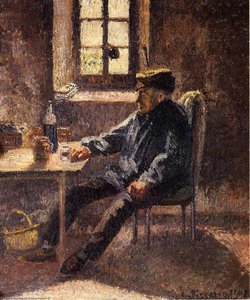 Old Wingrower in Moret (also known as Interior)
In the realm of Impressionist art, few paintings capture the essence of tranquility and comfort as eloquently as Camille Pissarro's "Old Wingrower in Moret," also known as "Interior." This 1902 masterpiece, measuring 65 x 54 cm and executed in oil on...
The art of interior design is, at its core, the science of atmosphere. For the hotel designer, selecting artwork is an exercise in emotional orchestration. Every piece must be chosen with a keen understanding of how color, light, and subject matter influence the psychological state of the guest. To evoke tranquility and domestic comfort, one might look toward the Impressionist masters. Consider the works of Camille Pissarro, such as Old Wingrower in Moret; through his mastery of natural light streaming through windows and the depiction of serene, everyday moments, he can infuse a suite with an unparalleled sense of peace and warmth. Such works invite guests to pause and reflect on the beauty of simple, quiet moments, making them ideal for wellness-focused retreats or boutique sanctuaries.
Conversely, if the design objective is to command attention and exude prestige, the dramatic chiaroscuro of the Baroque era offers a different narrative. The deep shadows and intense highlights found in works by masters like Artemisia Gentileschi can inject a sense of drama, mystery, and intellectual depth into a grand lobby or an executive lounge. The selection process requires a delicate balance: the art must harmonize with the existing palette while providing enough visual tension to stimulate the senses. Whether it is the vibrant, swirling energy of a post-impressionist sky or the enigmatic stillness of a Renaissance portrait, the goal remains the same—to use the canvas as a tool for emotional resonance.
From Baroque Grandeur to Impressionist Serenity: Matching Eras with Architectural Styles
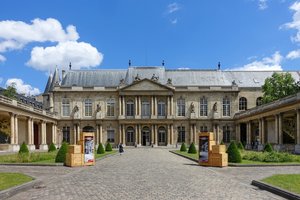 Hôtel de Soubise
A Symphony of Gilded Splendor: The Soul of the Hôtel de Soubise To step across the threshold of the Hôtel de Soubise is to surrender oneself to the intoxicating embrace of the French Rococo. Located in the historic heart of the Marais, this architect...
A successful interior narrative requires a seamless dialogue between the architectural shell and the artistic content. When designing within a space that celebrates French Rococo, such as the legendary Hôtel de Soubise, the artwork must mirror the era's characteristic gilded splendor and refined sensuality. In such environments, delicate compositions by artists like François Boucher, with their mythological grace and pastel hues, complement the intricate boiserie and gilded stucco perfectly. The art becomes an extension of the architecture, creating a cohesive world where symmetry meets organic beauty.
In contrast, modern or contemporary structures may find their voice through different historical lenses. A hotel inspired by the Italian Liberty style, reminiscent of Giuseppe Sommaruga’s Grand Hotel Campo dei Fiori, might benefit from the structured elegance of early 20th-century works that emphasize form and movement. Even more daring is the integration of Second Empire grandeur, as seen in the opulent Hôtel de Païva, where art must match the audacity of onyx staircases and Corinthian columns. The designer’s challenge is to ensure that the era of the artwork does not clash with the era of the building, but rather enhances it, creating a layered historical depth that feels both intentional and timeless.
The Art of Scale: Utilizing Multi-Panel Compositions and Large-Format Murals in Grand Lobbies
 Ōtsuka Museum of Art
The Ōtsuka Museum of Art (大塚国際美術館, Ōtsuka Kokusai Bijutsukan) in Naruto, Tokushima Prefecture is an art museum founded in 1998 and is one of the largest exhibition spaces in Japan. Established by Otsuka Pharmaceutical as a celebration of its 75th ann...
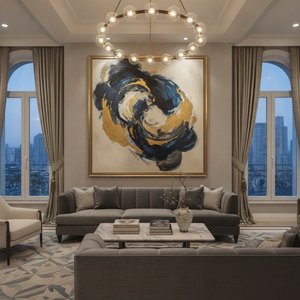
In the expansive volumes of hotel lobbies and grand staircases, single-frame paintings often struggle to command the necessary presence. To address these architectural voids, the designer must think in terms of scale and movement. The contemporary trend of multi-panel or group set paintings offers a sophisticated solution for wide walls or sweeping corridors. By splitting a singular iconic image across three, four, or even five panels, the artwork gains a modern, rhythmic quality that guides the eye through the space. This technique allows for a cohesive flow of color and brushstroke across a large surface area, creating a monumental impact that feels integrated into the very fabric of the architecture.
For even more ambitious projects, the use of large-format murals and ceiling frescoes can redefine an entire room. Imagine a hotel ballroom or a grand dining hall transformed by a hand-painted reproduction of a Renaissance ceiling, reminiscent of the Sistine Chapel. These massive canvas rolls, installed with the precision of high-end wallpaper, allow designers to recreate historical majesty on a scale previously reserved for palaces. Such large-scale interventions do more than fill space; they create an immersive environment that envelops the guest, making the hotel itself a landmark of artistic achievement.
Technical Excellence: Ensuring Longevity and Authenticity through Museum-Quality Reproductions
 Reproductions Museum Bilbao
The Reproductions Museum Bilbao, was created in 1927, the purpose of the museum is to compile classic pieces of art for the enjoyment of the local people. Among the works reproduced faithfully from museums like the Louvre, Vatican or British Museum: ...
For the professional designer, the integrity of the medium is as vital as the subject matter. In the realm of luxury hospitality, there is a profound difference between a mere print and a true reproduction. A high-quality, hand-painted oil reproduction on 100% cotton canvas offers a tactile depth that digital prints simply cannot replicate. The visible brushstrokes, the rich impasto textures, and the nuanced tonal range provided by authentic oils create a sense of permanence and value. These works are not merely decorations; they are investments in the hotel's aesthetic legacy. To ensure longevity, these pieces are crafted using specialized chemistry, such as flexible gesso to prevent cracking and specific oils like safflower to prevent the yellowing of whites, all finished with a protective layer of Damar varnish.
Authenticity is further reinforced through meticulous craftsmanship. Each painting is a labor of passion, executed by artists trained in prestigious Fine Arts academies who specialize in specific genres, from maritime landscapes to classical portraiture. When a designer selects a reproduction that possesses the weight and texture of an original, they are providing guests with a sense of true luxury. Furthermore, the ability to offer customized finishes, such as an aged and cracked (craquelure) effect, allows for a bespoke approach to historical accuracy, ensuring that every piece feels as though it has been parted from a museum collection for generations.
Strategic Implementation: Integrating Bespoke Commissions and Custom Color Matching into Design Schemes
 Interior design
Interior design is the art and science of enhancing the interior of a building to achieve a healthier and more aesthetically pleasing environment for the people using the space. With a keen eye for detail and a creative flair, an interior designer is...
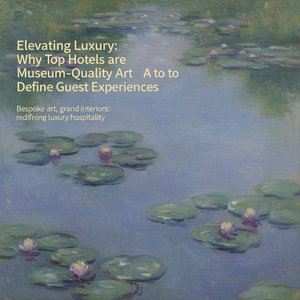
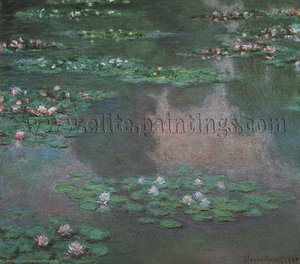
The pinnacle of luxury design is the ability to achieve total customization. For the hotel designer working with complex color palettes or specific brand identities, the ability to "remix" art history is an invaluable tool. Through professional digital mockup services, designers can visualize how a composition will appear on a specific wall before a single drop of paint touches the canvas. This allows for precise color matching, ensuring that the blues of a Monet landscape perfectly complement the velvet upholstery of a bespoke armchair, or that the golds of a Baroque piece harmonize with the hotel's brass fixtures.
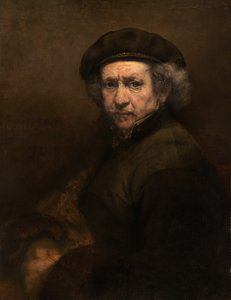
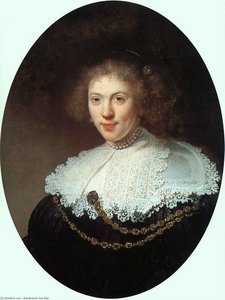
Beyond mere selection, the opportunity for bespoke commissions allows for unparalleled creativity. A designer might request a "period shift," transforming a contemporary photograph into a 17th-century masterpiece in the style of Rembrandt, or perhaps commissioning a custom portrait that incorporates elements of the hotel's unique heritage. This level of personalization—ranging from group portraits that combine multiple subjects to large-scale architectural murals—ensures that the art is not just an addition to the room, but a fundamental component of the design DNA. By leveraging these bespoke services, designers can move beyond decoration and into the realm of true environmental storytelling.
ArtsDot.com serves as the global flagship for this level of artistic excellence. As a premium marketplace dedicated to democratizing the Old Masters through high-end reproductions and custom commissions, we provide the essential tools for hospitality professionals to elevate their spaces. From hand-painted oil masterpieces to large-format murals and professional art consultations, our services are designed to meet the rigorous standards of the world's most prestigious hotel designers. Discover how we can help you transform your next project into a timeless destination at ArtsDot.com.