The Alchemy of Permanence: Why Bronze Remains the Pinnacle of Sculptural Expression
To behold a bronze sculpture is to witness a profound dialogue between human creativity and the elemental forces of nature. Unlike the ephemeral qualities of watercolor or the delicate fragility of certain stones, bronze possesses an inherent gravitas that commands the space it inhabits. This allure lies in its unique alchemy—the transformation of raw, molten copper and tin into a medium capable of capturing the most subtle nuances of human emotion and the most rugged textures of the natural world. For the discerning collector, bronze offers an indomitable strength, a metallic permanence that suggests the work was not merely created, but forged into existence. It is a material that breathes with the gravity of antiquity, providing a sense of weight and substance that few other mediums can replicate. In the quiet corners of a sophisticated study or the grand halls of a private estate, these works act as anchors of stability, offering a tactile presence that invites closer inspection and long, contemplative gazes.
From Antiquity to Modernity: Exploring the Historical Resonance of Metal Art
The story of bronze is inextricably linked to the development of human society itself, stretching back through the mists of prehistory to the very dawn of civilization. From the ancient Sumerians and Egyptians to the zenith of Greek artistry, this alloy has served as a vessel for human ambition, faith, and cultural identity. The Greeks, in particular, perfected the art of bronze casting, achieving a naturalism and anatomical precision that continues to inspire awe in the modern era. As we move through the centuries, from the Renaissance masters who rediscovered classical ideals to the revolutionary psychological depth found in Auguste Rodin’s The Age of Bronze, the medium has continuously evolved. It has transitioned from capturing the heroic exploits of warriors and deities to exploring the visceral, intimate complexities of the human condition. Today, this lineage continues through contemporary visionaries who push the boundaries of form, utilizing metal to create everything from monumental public installations to avant-garde, inflatable metal furniture, ensuring that the resonance of bronze remains as vital today as it was in the Bronze Age.
Mastering the Medium: The Intricate Artistry of Lost-Wax Casting and Patina
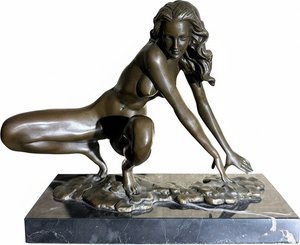
The creation of a truly masterful bronze sculpture is a labor of immense technical skill and patience, often requiring the expertise of master artisans with decades of experience. At the heart of this process lies the traditional lost-wax casting method, a technique that allows for unprecedented precision in capturing every delicate contour, from the fine musculature of a figure to the flowing drapery of a muse. This meticulous workflow begins with clay modeling, followed by the creation of a wax mold that is eventually replaced by molten metal. Once the bronze has cooled and been separated from its mold, the artist’s work continues through the application of patina. Through careful oxidation and hand-polishing, a nuanced surface is developed, creating rich browns, deep greens, or even lustrous golds that catch and reflect light beautifully. This intentional aging process ensures that no two pieces are exactly alike, imbuimng each sculpture with a unique character and an heirloom-worthy quality that promises to endure for generations.
Curating Excellence: Integrating Bronze Masterpieces into Luxury Interiors
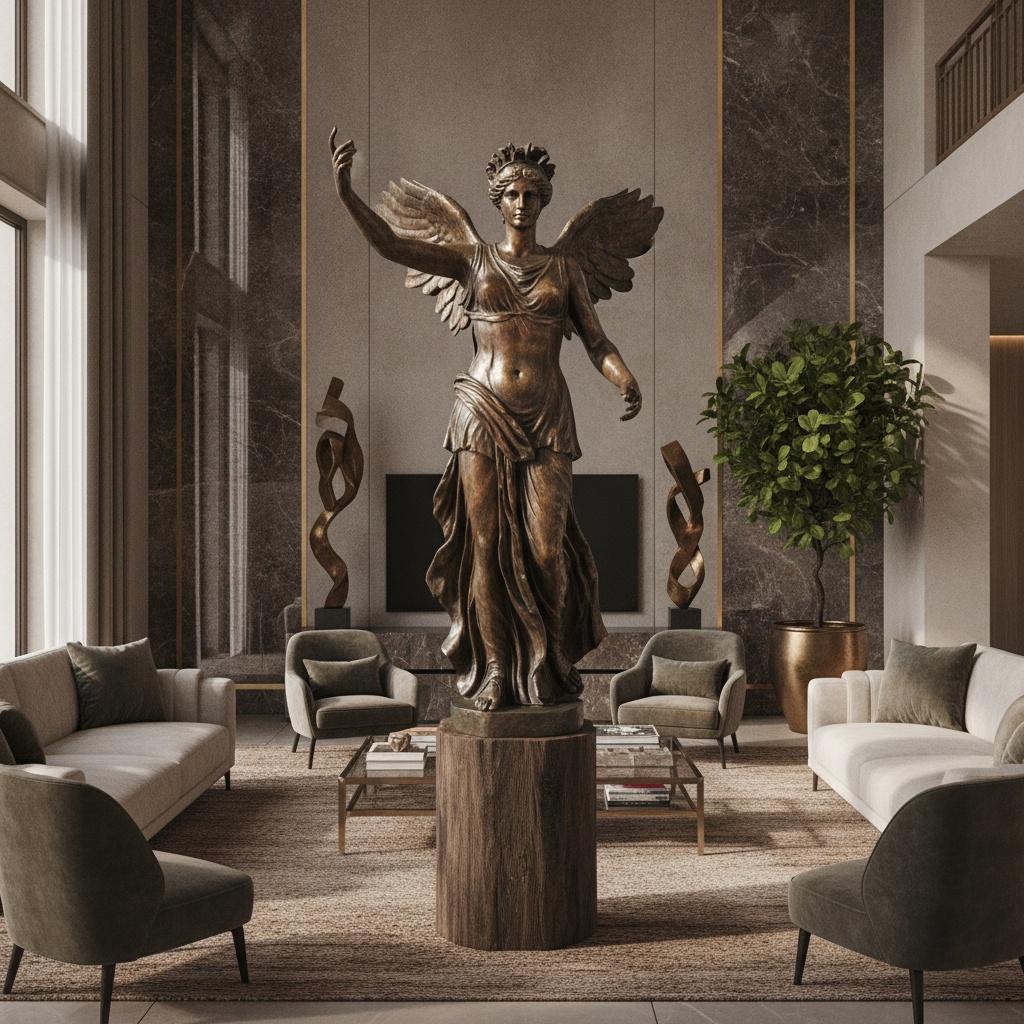
Integrating bronze sculpture into a sophisticated interior requires a keen eye for balance and composition. A well-placed piece can serve as a powerful focal point, drawing the eye and anchoring the surrounding decor. Whether it is a substantial, heavy-set work commanding attention on a pedestal in an entrance hall, or a smaller, more intimate figure resting upon a mantelpiece, bronze possesses the versatility to complement both minimalist and eclectic styles. In modern Nordic aesthetics, for instance, the dark tones of bronze can provide a striking contrast to light, airy spaces, while in more classical settings, the warmth of a rich patina can harmonize with opulent textures like velvet and fine wood. The key to successful curation lies in understanding the sculpture's tactile presence and its ability to interact with the light within a room. When paired thoughtfully with other elements—such as the soft glow of a lamp or the natural light from a large window—a bronze masterpiece does more than decorate; it transforms an environment into a curated gallery of personal expression.
The Collector's Legacy: Investing in Timeless Metal Artworks
For the serious collector, acquiring bronze sculpture is an investment in both beauty and history. Beyond its aesthetic value, bronze holds a significant place in the realm of art as an enduring asset. Because of its durability and the historical weight it carries, high-quality metalwork often retains its significance and value over time, much like the great works found in the world's most prestigious museums. Collecting bronze is an act of stewardship, a way to preserve the stories, myths, and human triumphs captured in metal for future generations. At ArtsDot.com, we understand this commitment to excellence, providing access to works that embody technical mastery and historical resonance. Whether you are seeking a museum-quality reproduction of a classical icon or a bespoke commission that reflects your unique vision, choosing bronze is a decision to surround yourself with the eternal, ensuring that your collection remains a testament to strength, beauty, and the enduring power of human creativity.