The Sublime Wilderness: Defining the American Identity Through Landscape
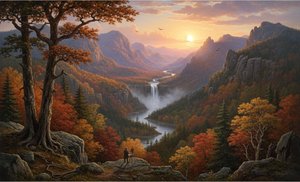
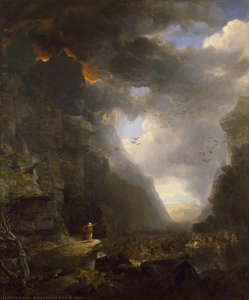
To understand the soul of a nation, one must look toward the horizons that first shaped its consciousness. In the nineteenth century, as the American identity began to coalesce from a collection of colonies into a burgeoning continental power, a profound dialogue emerged between the land and its people. This was not merely a period of territorial expansion, but an era of spiritual discovery, where the untamed wilderness served as a canvas for the collective imagination. The vast, unmapped territories were viewed through a lens of sublimity—a concept that blended awe with a touch of terror, recognizing the overwhelming power of nature to dwarf human endeavor.
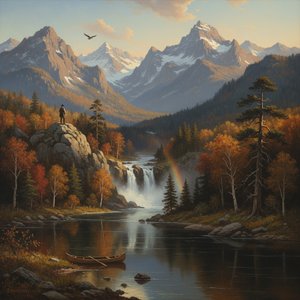
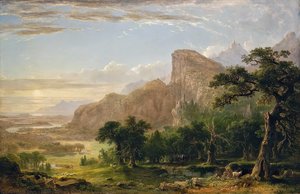
This era of landscape painting sought to capture more than just topographical accuracy; it aimed to document the divine presence within the American terrain. The rugged mountains, the dense, ancient forests, and the winding river systems were seen as manifestations of a higher order. By portraying these landscapes with such reverence, artists provided a visual vocabulary for a young nation seeking to establish its own cultural lineage, separate from the classical traditions of Europe. Through the brushstrokes of early masters, the American wilderness became a symbol of infinite potential and unyielding strength.
Luminism and Light: The Spiritual Essence of the Hudson River School
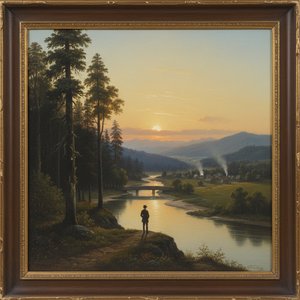
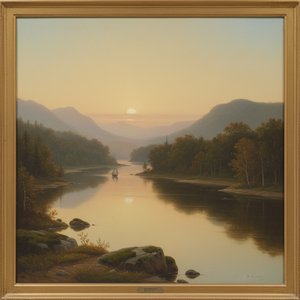
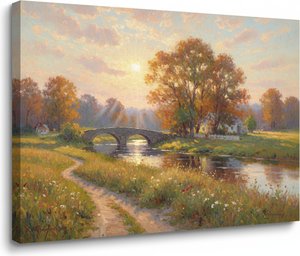
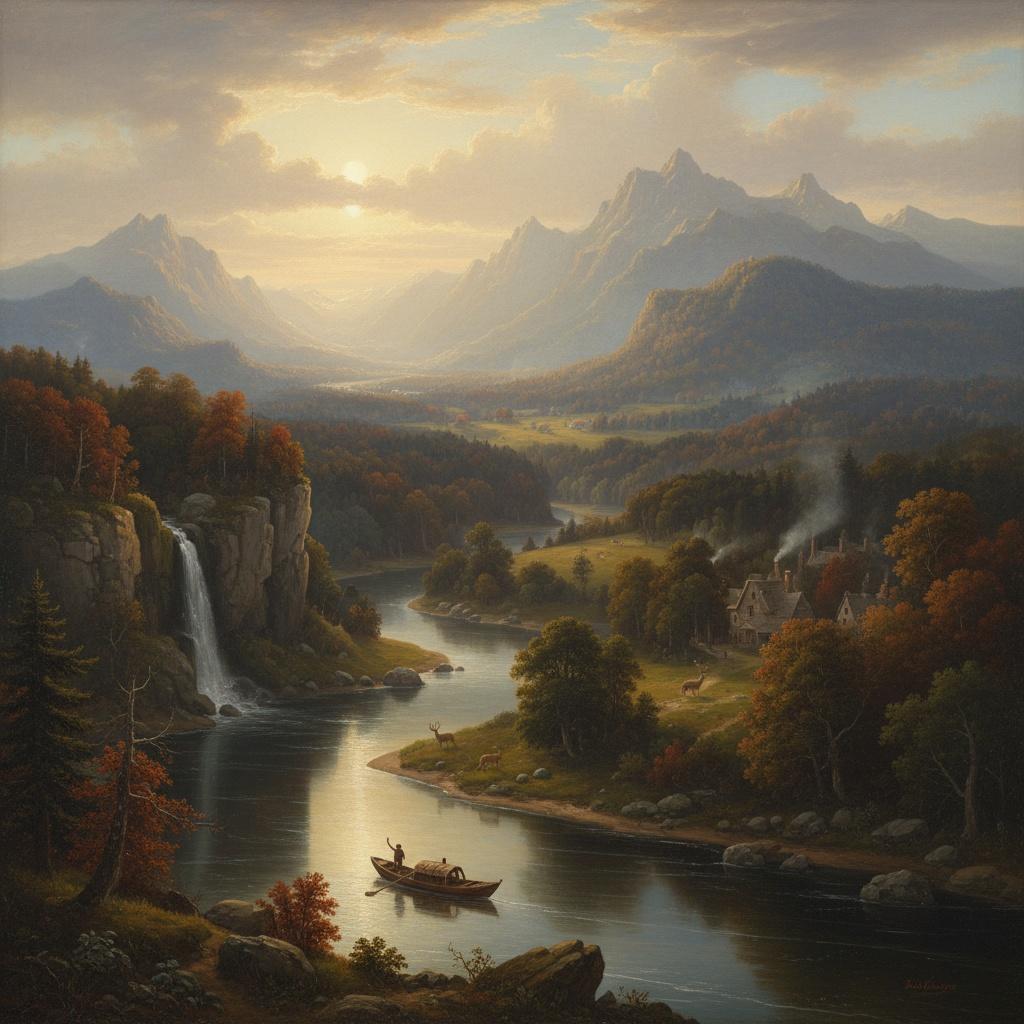
At the heart of this movement lay a technique known as Luminism, a specialized subset of the Hudson River School that prioritized the depiction of light as a transformative, almost holy, element. For these painters, light was not merely an environmental condition but a medium of spiritual communication. The way sunlight filtered through a canopy of leaves or reflected off the glass-like surface of a quiet river was intended to evoke a sense of stillness and contemplation. This mastery of atmosphere allowed viewers to feel the warmth of a summer afternoon or the chilling mist of a mountain dawn, bridging the gap between the canvas and the human spirit.
The technical execution of Luminism required an extraordinary level of precision. Artists worked to minimize visible brushwork, creating smooth, seamless surfaces that allowed light to appear as if it were emanating from within the painting itself. This ethereal glow served to sanctify the landscape, turning a simple river scene into a moment of profound transcendence. In these works, the atmosphere becomes a character in its own right, wrapping the viewer in a sense of peace and eternal presence that remains one of the most captivating legacies of American art history.
Masters of the River: Analyzing the Works of Doughty, Durand, and Brown
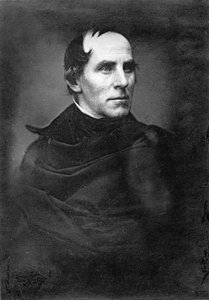
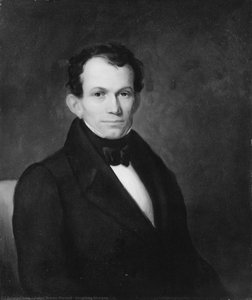
The lineage of this movement is best understood through the individual hands that guided its evolution. Thomas Doughty, an early pioneer, laid much of the groundwork with works such as Denning’s Point, Hudson River. His ability to capture picturesque scenery with a classic American style provided a foundation of serenity and grace, establishing the river as a central protagonist in the American narrative. His compositions often invited the viewer into a tranquil world, where the water and sky existed in perfect, undisturbed harmony.
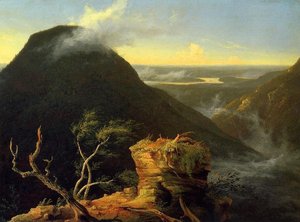
As the movement matured, artists like Asher Brown Durand pushed the boundaries of romanticism and detail. In his masterpiece, Hudson at Rhinebeck, one can witness a breathtaking monochromatic depth that utilizes perspective to create an immersive experience. Durand’s work often balanced the ruggedness of the terrain with a meticulous attention to botanical and geological truth. Similarly, William Mason Brown brought a lush, vibrant energy to the genre. His River Landscape in Summer exemplifies the idyllic, sun-drenched scenes that defined the height of the Hudson River School, where every leaf and ripple seems to pulse with the vitality of a thriving, untouched world.
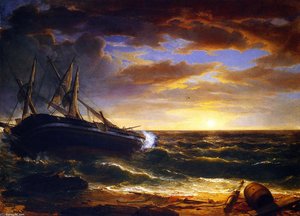
Even as the century progressed into the early twentieth century, the echoes of these masters remained. The works of Eric Hudson, for instance, carried the torch of this tradition into the 1920s, utilizing maritime scenes and heavy seas to evoke the same sense of elemental power that Doughty and Durand had pioneered decades earlier. This continuity of style demonstrates how deeply the aesthetic of the landscape was woven into the fabric of American artistic expression.
From Romanticism to Realism: The Evolution of the American Aesthetic
The trajectory of American art is a fascinating study in shifting perspectives, moving from the heightened emotionality of Romanticism toward the grounded observations of Realism. In the early stages, the focus was on the dramatic and the extraordinary—the storm, the precipice, and the untamed thicket. These paintings were designed to stir the emotions and provoke a sense of wonder. However, as the nation became more industrialized and urbanized, the artistic gaze began to shift. The wildness of the frontier was replaced by an interest in the tangible, the everyday, and the structural.
This evolution did not represent a rejection of the past, but rather a refinement of it. While the Romanticists sought the sublime, the Realists sought the truth. The sweeping vistas were gradually replaced by more intimate studies of light, texture, and human interaction with the environment. Yet, even in the most realistic depictions, the influence of the Hudson River School remained visible in the reverence for natural light and the careful composition of space. This transition allowed American art to remain deeply connected to its landscape while adapting to the changing social and technological realities of a modernizing world.
Preserving the Pastoral: The Enduring Legacy of 19th-Century American Art
Today, the landscapes of the nineteenth century serve as more than just historical artifacts; they are windows into a lost era of environmental purity. In an age characterized by rapid digital transformation and urban expansion, these paintings offer a sanctuary of stillness. They remind us of a time when the horizon felt infinite and the natural world held an unquestioned authority over the human experience. The preservation of these works—and the continued study of their techniques—ensures that the American Spirit remains accessible to future generations.
The legacy of these masters lives on not only in museums but in the way we continue to perceive our relationship with nature. Whether through the meticulous recreation of an oil masterpiece or the appreciation of a classical print, the emotional resonance of the Hudson River School continues to inspire awe. By honoring the craftsmanship and the vision of those who first captured the light of the American wilderness, we maintain a vital connection to the very foundations of our cultural heritage.
At ArtsDot.com, we are dedicated to preserving this profound artistic legacy. Our studio specializes in creating high-quality, hand-painted oil reproductions and museum-grade Giclée prints that bring the majesty of historical masterpieces into the modern home. From custom commissions that reimagine your personal memories in the style of the Old Masters to large-scale murals that transform architectural spaces, our mission is to make the beauty of art history accessible, tactile, and timeless for collectors worldwide.