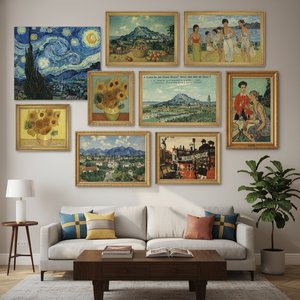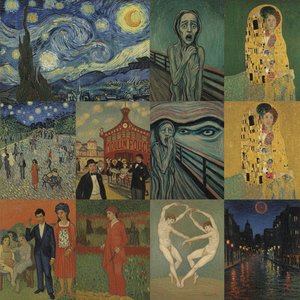
Introduction
To step into the world of Post-Impressionism is to witness the moment art ceased to merely reflect the world and began to interpret the human soul. While the Impressionists captured the fleeting, shimmering dance of light upon water, the masters who followed sought a deeper, more structured truth. They traded the ephemeral for the eternal, replacing the soft edges of reality with bold colors, rhythmic patterns, and an unprecedented emotional intensity.
Emerging in the late nineteenth century, this movement was less a unified school and more a collection of brilliant, individualistic rebellions. From the swirling, emotive skies of Vincent van Gogh to the disciplined, pointillist precision of Georges Seurat , these artists pushed the boundaries of what a canvas could convey. They utilized vibrant pigments , thick impasto textures , and symbolic compositions to explore themes that resonated far beyond the borders of France.
Today, these masterpieces remain profoundly meaningful because they represent the birth of modern subjectivity. They remind us that art is not just a window through which we view nature, but a mirror reflecting our deepest anxieties, joys, and perceptions. Each stroke of paint serves as a testament to the artist's struggle to capture the intangible.
In the following curation, we invite you to wander through a selection of ten definitive works—pieces that did not merely follow tradition, but shattered it to create a new visual language for the modern age.
Starry Night (New York, MoMA) - vincent willem van gogh
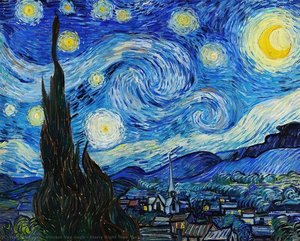 Starry Night (New York, MoMA) - vincent willem van gogh
More than a nocturnal landscape, Starry Night serves as a visceral window into Vincent van Gogh’s turbulent psyche. Painted in 1889 amidst his stay at the Saint-Paul-de-Mausole asylum, this masterpiece transcends mere observation to become a rhythmic, pulsing expression of the cosmos. The canvas vibrates with the energy of his signature impasto technique ; thick, undulating layers of cobalt and ultramarine swirl around radiant, golden stars, creating a tactile surface that seems to breathe within your space. The dramatic contrast between the luminous crescent moon and the dark, flame-like cypress tree—a symbol of both mourning and spiritual aspiration—commands the viewer's attention. To bring this work into your collection is not merely to decorate a wall, but to invite a profound transformation; it turns a room into a gallery of the soul , where the celestial dance of Post-Impressionism offers an eternal connection to the sublime.
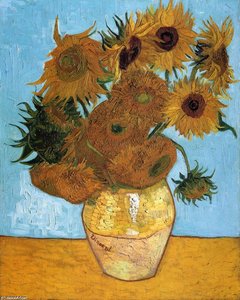
Sunflowers - vincent willem van gogh
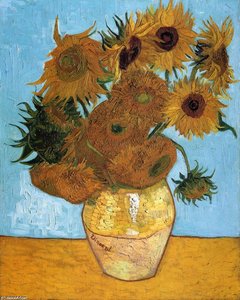 Sunflowers - vincent willem van gogh
Imagine stepping into the sun-drenched warmth of a studio in Arles, where the air vibrates with the golden energy of 1888. Vincent van Gogh’s Sunflowers is far more than a mere still life; it is a visceral, breathing testament to the transformative power of Post-Impressionism .
Through his legendary impasto technique, Van Gogh applies thick, rhythmic layers of ochre, amber, and brilliant yellow, creating a tactile surface where every heavy brushstroke pulses with life. The textured paint catches the light, offering a sense of movement that mirrors the fleeting beauty of nature itself. This masterpiece masterfully balances radiant vitality with a poignant hint of mortality, captured in the delicate weight of each drooping petal.
Integrating such an iconic work into a modern interior offers more than mere aesthetic appeal; it provides a soulful focal point. Whether gracing a quiet study or a grand living space, the painting’s luminous warmth invites deep reflection and infuses your home with an enduring sense of creative passion and historical elegance.
The Night Cafe - vincent willem van gogh
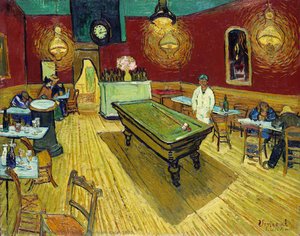 The Night Cafe - vincent willem van gogh
To stand before The Night Cafe is to step directly into the heavy, nocturnal psyche of Vincent van Gogh. More than a mere depiction of an Arles café, this masterpiece captures the profound isolation and restless energy of the human condition. As a defining pillar of the Post-Impressionist movement , it transcends simple observation; through jarring contrasts of blood-red walls and sickly green ceilings, Van Gogh uses color to express what he called the 'terrible passions of humanity.'
The painting’s true power lies in its tactile, rhythmic impasto—layers of paint so thick they seem to pulse with life. At ArtsDot, we specialize in preserving this visceral emotion. Our hand-painted oil reproductions are meticulously crafted by skilled artists to honor every heavy brushstroke and dramatic shadow, allowing you to bring the haunting, transformative beauty of Van Gogh’s vision into your own home with unparalleled authenticity.
Cafe Terrace on the Place du Forum, Arles, at Night - vincent willem van gogh
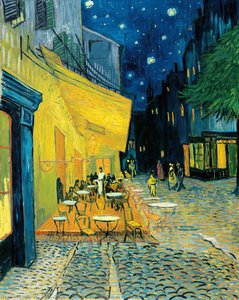 Cafe Terrace on the Place du Forum, Arles, at Night - vincent willem van gogh
Imagine stepping into a luminous sanctuary amidst the velvet shadows of an Arles evening. Before you lies Cafe Terrace on the Place du Forum, Arles, at Night by Vincent van Gogh , a cornerstone of the Post-Impressionist movement. Painted in 1888, this masterpiece transcends mere scenery; it is a visceral emotional landscape. Van Gogh revolutionized art by rejecting traditional black shadows, instead employing vibrant yellows and deep ultramarines to capture the night's pulse. His signature impasto technique creates a tactile energy, where thick, swirling brushstrokes make the glow of the gaslamps feel almost tangible against the cool evening air. This work earns its place among the era's greatest for its radical use of complementary colors and its ability to find warmth within the dark. Even today, such a piece does more than decorate; it breathes life into a room, inviting a sense of profound connection and luminous wonder into any curated space.
Harmony in Red - Henri Matisse
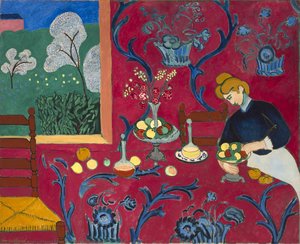 Harmony in Red - Henri Matisse
In Harmony in Red , Henri Matisse does not merely depict a domestic moment; he orchestrates an emotional landscape through the sheer power of pigment. As a cornerstone of the Post-Impressionism movement, this 1908 masterpiece serves as a breathtaking bridge toward Fauvism, where color is liberated from its descriptive duties to become purely expressive. The canvas vibrates with a symphony of saturated magentas and deep roses, contrasted against cool, verdant accents that dance across a flattened perspective.
Matisse’s rejection of traditional shading in favor of bold, patterned surfaces creates a rhythmic vitality that feels remarkably contemporary. For the modern collector or interior designer, this work offers a masterclass in creating ambiance; its fearless use of color and texture provides a timeless blueprint for injecting warmth and sophisticated energy into any curated space. It is not just a painting of a woman peeling an orange—it is a profound exploration of how color can define our very sense of harmony.
Sleeping Gypsy - henri julien félix rousseau (le douanier)
 Sleeping Gypsy - henri julien félix rousseau (le douanier)
In Henri Rousseau’s 1897 masterpiece, The Sleeping Gypsy , we step into a dreamscape where reality dissolves into moonlight and mystery. This work stands as a profound pillar of the Post-Impressionist era, presenting an unforgettable vision of a traveler resting under the watchful, silent gaze of a majestic lion. Executed in Rousseau’s signature Naïve style, the painting rejects academic precision for flattened perspectives and organic, simplified forms that feel both primitive and profoundly modern.
The luminous crescent moon bathes the scene in an ethereal glow, casting long shadows that dance between themes of vulnerability and untamed power. To possess a reproduction of this caliber is not merely to decorate a room; it is to claim an inheritance of taste . It is a handshake across centuries, allowing the quiet prestige of Rousseau’s dreamlike world to reside upon your walls, transforming a contemporary space into a curated gallery of historical significance.
Self Portrait - vincent willem van gogh
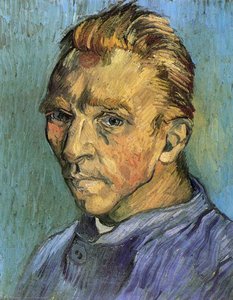 Self Portrait - vincent willem van gogh
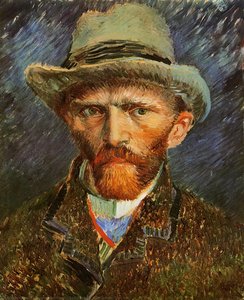
Imagine standing before a canvas that does not merely reflect a face, but vibrates with the very pulse of human resilience and unrest. This is the profound Self Portrait by Vincent van Gogh .
Painted in 1889 during his transformative period at the Saint-Rémy asylum, this work stands as a definitive pillar of the Post-Impressionism movement. Moving beyond simple optical representation, Van Gogh employs a masterful, thick impasto technique, where rhythmic, swirling brushstrokes create a tactile energy that seems to breathe upon the canvas. The palette presents a hauntingly beautiful tension: earthy ochres and warm yellows clash against a cool, turbulent teal background, mirroring the artist's internal struggle. His piercing, direct gaze compels an intimate connection, transforming the portrait into a window onto the soul. Such masterpieces remind us that true art transcends time, possessing a singular power to transform any modern space with profound emotional depth and historical gravity.
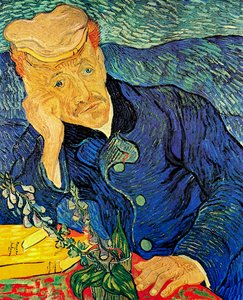
Portrait of Patience Escalier - vincent willem van gogh
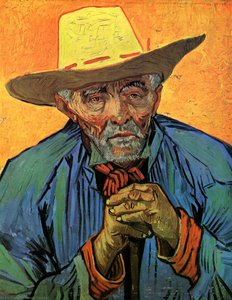 Portrait of Patience Escalier - vincent willem van gogh
In the Portrait of Patience Escalier , Vincent van Gogh transcends mere portraiture to capture the very soul of the Provençal countryside. This work stands as a cornerstone of the Post-Impressionist movement, marking the pivotal moment when art shifted from observing light to expressing profound emotional truth. Van Gogh’s mastery is evident in the sculptural impasto ; the thick, rhythmic application of paint breathes life into the shepherd’s weathered features and straw hat, creating a tactile experience that remains as arresting today as it was in 1888.
Its placement among the era's greatest masterpieces is earned through this unparalleled ability to weave psychological depth with vibrant, unconventional color palettes. As we gaze into Escalier’s resilient eyes, we are invited to reflect on the quiet dignity of the human spirit and the beauty found in simplicity. For the modern connoisseur, integrating such a piece into a curated collection offers more than decoration; it introduces a timeless conversation between historical heritage and contemporary elegance, infusing a space with unparalleled character and warmth.
Where do we come from what are we where are we going - Eugène Henri Paul Gauguin
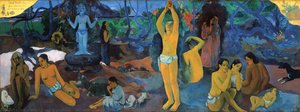 Where do we come from what are we where are we going - Eugène Henri Paul Gauguin
Paul Gauguin’s Where do we come from what are we where are we going is far more than a canvas; it is a profound visual poem exploring the very essence of human existence. Within this monumental Post-Impressionist masterpiece, Gauguin invites us into a dreamlike Tahitian landscape where figures trace the cyclical journey of life—from the vulnerability of infancy to the contemplative weight of old age. Moving away from the fleeting light of Impressionism, Gauguin employs Synthetism , utilizing bold, flat planes of color and emotive outlines to prioritize spiritual truth over mere realism. The palette, a striking dialogue between deep, melancholic blues and sun-drenched golds, creates an atmosphere of sacred mystery. To encounter this work is to transcend decoration; it is an invitation to transform your surroundings into a gallery of the soul , where every brushstroke serves as a window into the eternal questions of our origin, our nature, and our ultimate destiny.
Two Women on the Beach - Eugène Henri Paul Gauguin
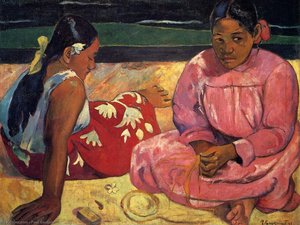 Two Women on the Beach - Eugène Henri Paul Gauguin
In Two Women on the Beach , the lines are not merely drawn; they are choreographed . This is not a simple composition, but a dance frozen in time, where Gauguin’s radical departure from Western naturalism finds its most rhythmic expression. Through the lens of Synthetism, he transforms the shores of Tahiti into a vibrant tapestry of bold, flat planes and sun-drenched ochres.
The figures exist in a state of serene intimacy, their forms anchored by dark, Cloisonnist contours that evoke the striking clarity of stained glass. As you observe the deep reds and warm earth tones, you feel the pulse of a tropical afternoon—a moment of quietude captured through expressive, textured brushstrokes. This masterpiece does more than decorate; it commands presence. Imagine if your own living space could hold this same profound balance. What if your walls could breathe rhythm and invite the soul of Post-Impressionism into your home?
Conclusion
As the lights dim on this journey through the vibrant, emotive world of Post-Impressionism, we are left with more than just images of swirling skies or pointillist landscapes. We are left with a profound realization: these masterpieces are not merely relics of a bygone era, but living, breathing presences that continue to pulse with life. Each deliberate stroke of oil on canvas—each thick impasto ridge and delicate dot of color—serves as a bridge across the centuries, connecting the raw, human vulnerability of the artist to the quiet contemplation of the admirer. To behold these works is to participate in an eternal dialogue, one where the boundaries between the past and the present dissolve into a shared moment of wonder.
Whether they grace the walls of a grand estate or find a place within a private sanctuary, these paintings do more than decorate; they transform spaces into soulful retreats, inviting us to feel the same passion that once ignited the hearts of the masters. We invite you to continue this intimate encounter and discover how these timeless echoes can resonate within your own world by exploring our full collection . In every texture and every hue, there remains a heartbeat, waiting to be rediscovered.