The Enigmatic Vision of Elisabetta Zavoli
Elisabetta Zavoli is an Italian artist whose work defies easy categorization, existing in a compelling space between figuration and abstraction, the ancient and the contemporary. Born in Italy (the specific location remains intentionally private, adding to her mystique), Zavoli has cultivated a practice deeply rooted in mythology, symbolism, and a profound connection to the natural world. Her paintings are not merely representations; they are invocations, layered with meaning and imbued with an almost alchemical energy. While biographical details about Zavoli are scarce – she actively avoids public self-promotion – her art speaks volumes, revealing a life dedicated to exploring the archetypes of the feminine divine and the hidden currents that shape human experience. She is not an artist who seeks fame or recognition; rather, she creates for a deeper purpose, offering viewers glimpses into a realm where intuition reigns supreme and the boundaries between reality and dream dissolve.
Early Influences and Artistic Development
Zavoli’s artistic journey began with a formal training in classical painting techniques, though she quickly diverged from traditional academic approaches. Her early works demonstrate a mastery of anatomy and perspective, but even then, there was an undercurrent of something unconventional – a subtle distortion of form, a heightened sense of color, and a preoccupation with allegorical themes.
The influence of Renaissance masters like Botticelli and Piero della Francesca is evident in her meticulous draftsmanship and ethereal compositions. However, Zavoli’s artistic vision extended beyond the confines of historical precedent. She immersed herself in the study of Jungian psychology, particularly Carl Jung's theories on archetypes and the collective unconscious. This exploration profoundly shaped her understanding of symbolism and its power to unlock hidden layers of meaning within the psyche.
Furthermore, Zavoli’s fascination with ancient mythologies – Greek, Roman, Egyptian, and pre-Christian European traditions – became a central tenet of her artistic practice. She saw these myths not as mere stories but as living metaphors for universal human experiences, offering insights into the complexities of love, loss, transformation, and rebirth. Her early paintings often featured fragmented figures emerging from landscapes, hinting at a deeper narrative unfolding beneath the surface.
Themes and Symbolism in Zavoli’s Work
Recurring motifs populate Zavoli's canvases, creating a unique visual language that invites contemplation and interpretation. The female figure is central to her work, often depicted as a goddess, priestess, or archetypal woman embodying various aspects of the divine feminine – creation, destruction, nurturing, and wisdom.
Water is another prominent symbol, representing the unconscious mind, emotional depths, and the source of life. Animals, particularly birds, snakes, and deer, frequently appear as totemic guides or messengers from the spirit world. Zavoli’s use of color is equally symbolic. Deep blues and greens evoke a sense of mystery and tranquility, while fiery reds and oranges represent passion, transformation, and primal energy.
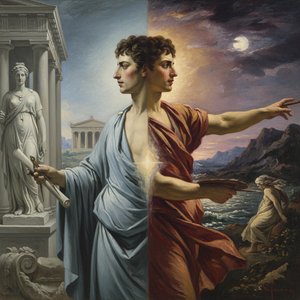
Her compositions are often characterized by a dreamlike quality, with figures dissolving into landscapes and boundaries blurring between inner and outer worlds. Zavoli’s paintings are not didactic; they do not offer easy answers or straightforward interpretations. Instead, she presents viewers with evocative images that resonate on a subconscious level, prompting them to embark on their own journeys of self-discovery. The use of gold leaf is also significant, adding a sense of sacredness and timelessness to her work.
Major Achievements and Historical Significance
Despite her deliberate avoidance of the mainstream art world, Zavoli’s work has garnered a devoted following among collectors and connoisseurs who appreciate its depth, originality, and spiritual resonance. While she rarely participates in large-scale exhibitions, her paintings have been featured in select galleries and private collections internationally.
Her most significant achievement lies not in commercial success but in the creation of a unique artistic vision that challenges conventional notions of beauty, representation, and meaning. Zavoli’s work stands as a powerful counterpoint to the dominant trends of contemporary art, offering an alternative aesthetic rooted in intuition, symbolism, and a deep connection to the natural world.
- Her paintings have been described as “visual poems” that evoke a sense of wonder and mystery.
- Zavoli’s work has been cited as an influence by a new generation of artists exploring themes of mythology and the feminine divine.
- She is considered a key figure in the revival of allegorical painting, demonstrating its continued relevance in the 21st century.
The Legacy of an Enigmatic Artist
Elisabetta Zavoli’s legacy is not one of grand pronouncements or public accolades. It is a quieter, more profound legacy – the creation of art that speaks directly to the soul, inviting viewers to reconnect with their inner selves and explore the hidden depths of human experience. Her paintings are not merely objects to be admired; they are portals to another realm, offering glimpses into a world where intuition reigns supreme and the boundaries between reality and dream dissolve. As long as there are those who seek meaning beyond the superficial, Zavoli’s work will continue to resonate, inspiring contemplation, self-discovery, and a deeper appreciation for the power of art to transform our lives. She remains an enigmatic figure, shrouded in mystery, but her paintings stand as testament to a life dedicated to exploring the archetypes of the feminine divine and the hidden currents that shape human consciousness.