The Pioneering Shadows of the Coutinho Brothers
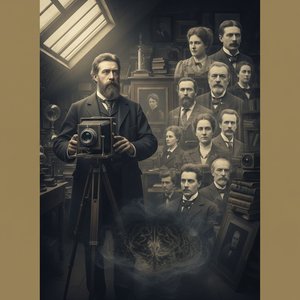
Before the advent of widespread photography, capturing a fleeting moment in time demanded meticulous planning and an intimate understanding of light and shadow. In the late 19th century, amidst the burgeoning colonial ambitions of Europe and the evolving social landscape of East Africa, two Portuguese brothers – João Batista Coutinho and Felix Coutinho – established a remarkable photographic studio in Zanzibar, leaving behind a legacy that continues to fascinate historians and art enthusiasts alike. More than simply documenting a place, they sought to reveal the soul of their subjects, particularly the Comorian women whose lives formed such a vibrant part of Zanzibari society.
Born in Zanzibar City, Tanzania – a crossroads of cultures and trade – João Batista and Felix’s early life was steeped in the exoticism of the Swahili coast. Details surrounding their formal artistic training remain somewhat elusive, suggesting they honed their skills through observation, apprenticeship, and an innate understanding of visual storytelling. Their studio, initially operating under the name “Coutinho Brothers,” quickly gained recognition for its distinctive style: a blend of documentary realism and carefully constructed portraiture. Unlike many colonial photographers who treated their subjects as mere props, the Coutinhos demonstrated a genuine curiosity and respect for the Comorian people, capturing not just their physical appearance but also their personalities and social roles.
A Window into Comorian Life
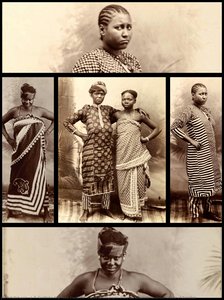
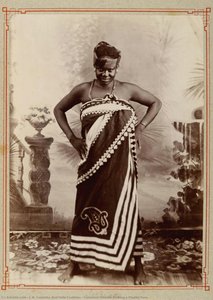
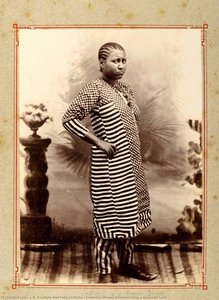
The brothers’ photographic output is remarkably diverse, encompassing portraits of dignitaries, scenes of daily life, and, most significantly, a series of intimate images of Comorian women. These aren't simply posed photographs; they are carefully staged narratives that reveal the complexities of their subjects’ lives. The early photographs often depict Comorian women in traditional attire, engaged in everyday activities such as weaving, preparing food, or tending to children. However, it is the later portraits – particularly those capturing a sense of resistance and defiance – that have garnered the most attention.
Several key images stand out for their evocative power. One photograph, often referred to as “The Resistant Look,” depicts a Comorian woman with a direct gaze, her expression conveying both vulnerability and strength. Another captures a playful pose, suggesting a moment of joy amidst the constraints of colonial life. These portraits are not merely representations of beauty; they are powerful statements about identity, agency, and the enduring spirit of the Comorian people. The Coutinho brothers’ ability to capture these nuances speaks volumes about their artistic sensitivity and their commitment to portraying their subjects with honesty and respect.
Technique and Influence
The Coutinho Brothers employed traditional albumen printing techniques, a process known for its rich tones and fine detail. Their photographs are characterized by a subtle gradating of light and shadow, creating a sense of depth and atmosphere. They were masters of working with natural light, skillfully utilizing the available illumination to create dramatic compositions. Their work was influenced by European portraiture traditions, but they adapted these techniques to suit the unique conditions of Zanzibar and the specific characteristics of their subjects.
Despite operating in a colonial context, the Coutinho Brothers’ photographs offer a valuable glimpse into a world often overlooked by official historical accounts. They provide a nuanced understanding of Comorian culture, social dynamics, and the challenges faced by its inhabitants during the late 19th century. Their work has been praised for its artistic merit, its historical significance, and its contribution to our knowledge of East African history and culture. The studio’s legacy extends beyond their individual photographs; it represents a pioneering effort in documenting a marginalized community and preserving its cultural heritage.
A Lasting Legacy
The Coutinho Brothers' photographic firm operated for several decades, establishing itself as perhaps the first commercial photographic enterprise in East Africa. Their images are now housed in museums and private collections around the world, serving as a testament to their artistic vision and historical importance. The photographs continue to be studied by historians, anthropologists, and art scholars who recognize them as invaluable resources for understanding the complexities of colonial Zanzibar and the lives of its people. Their work stands as a poignant reminder of the power of photography to capture not just images but also stories – stories that deserve to be remembered and shared.