The Serene Vision of John Thomas Richardson
In the soft, shifting light of the Cornish coast, the works of John Thomas Richardson (1860-1942) linger like a quiet memory of a bygone era. A master of the Cornish Impressionist style, Richardson possessed a rare ability to distill the sprawling beauty of the English landscape into moments of profound tranquility. Though his journey began far from the rugged cliffs of the United and West Country—born in Dallas, Texas—his artistic soul found its true home in the picturesque environs of Falmouth. His early years, marked by a period of theological study at St Mary's College Seminary, instilled in him a contemplative spirit that would later define his brushwork. This inner stillness, perhaps born from his formative intellectual and spiritual training, allowed him to approach the natural world not merely as a subject for documentation, but as a vessel for emotional resonance and peace.
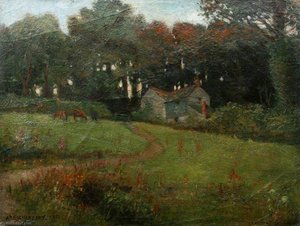
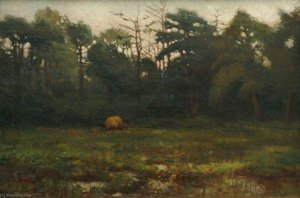
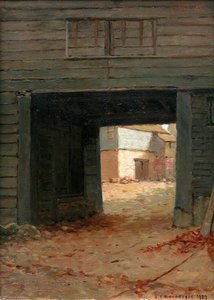
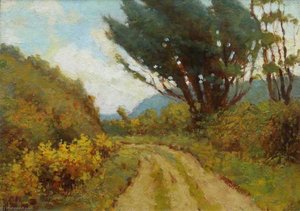
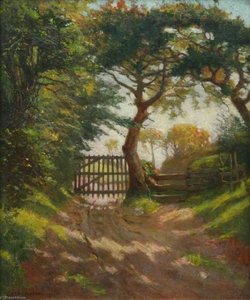
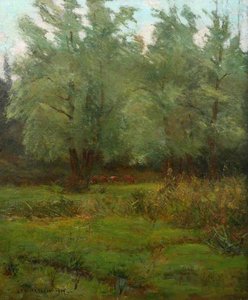
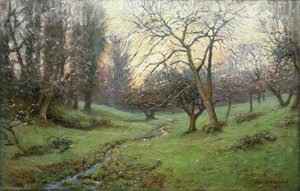
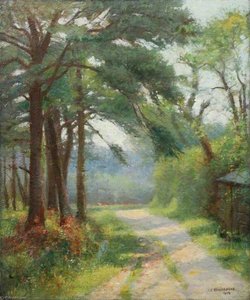
Around the turn of the 20th century, Richardson relocated to Falmouth, a move that would irrevocably alter the course of his creative life. Drawn to the dramatic interplay of light and sea, he embraced the Impressionistic movement, moving away from the rigid constraints of photographic realism toward a more fluid, expressive language. His technique was characterized by loose, rhythmic brushstrokes that captured the fleeting essence of atmosphere and texture. Whether depicting the sun-drenched paths of Madeira Walk or the verdant, quiet corners of The Orchard at Prislow, Richardson utilized a sophisticated blending of pigments to achieve luminous hues and subtle gradations. His canvases do not merely show a place; they evoke the very breath of the Cornish countryside, inviting the viewer to step into a world where time seems to slow.
A Legacy Written in Light and Landscape
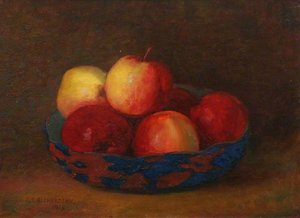
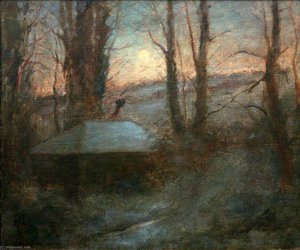
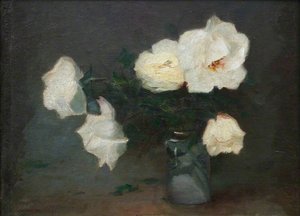
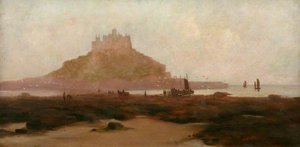
The breadth of Richardson's oeuvre reflects a deep devotion to the local topography, ranging from sweeping coastal vistas to the intimate charm of rural life. His mastery extended beyond the landscape into the delicate realm of still life, where he demonstrated an equal ability to find poetry in the mundane. In works such as Bowl and Apples, one observes his skill in manipulating light to give weight and vibrancy to everyday objects, turning a simple arrangement of fruit into a study of color and form. His paintings often serve as historical windows, capturing specific locales like Penmere Hill and Cuckoo Mills with an accuracy of feeling that preserves the essence of early 20th-century Cornwall.
Throughout his career, Richardson's contributions helped solidify the reputation of the Cornish art scene during a period of significant cultural evolution. His works are not merely relics of the late Victorian and Edwardian periods but remain vital, breathing pieces of art that continue to inspire. Today, much of his most significant output is preserved within the Falmouth Art Gallery, ensuring that his ability to capture the "tranquil beauty" of the region remains accessible to future generations. His legacy is one of quiet strength—a testament to the power of an observant eye and a sensitive heart to transform the physical landscape into an eternal, emotive experience.