Nusra Latif Qureshi & Mohammad Ali Talpur: Bridging Tradition and Contemporary Concerns
Nusra Latif Qureshi, born in Karachi, Pakistan, in 1973, embodies a remarkable convergence of artistic heritage and forward-looking creativity. Her formative years were profoundly shaped by the exacting discipline of Mughal miniature painting (*musaviri*), an art form originating from Persia during the sixteenth century that exerted a lasting influence on subsequent Indian visual culture. This foundational training instilled within her an unwavering dedication to meticulous detail—a hallmark of her artistic practice—and fostered a deep appreciation for symbolic representation, skills that continue to inform her oeuvre today. Moving to Melbourne in 2001 constituted a pivotal juncture, propelling her into the dynamic realm of international art discourse where she has established herself as a respected voice advocating for nuanced interpretations of art history and cultural identity.
Early Artistic Influences & Training
Qureshi’s artistic trajectory commenced at the National College of Arts in Lahore, Pakistan, where she honed her mastery of Mughal miniature techniques—a practice characterized by painstaking layering of translucent pigments onto ivory or paper to achieve astonishing visual depth and luminosity. This rigorous training transcended mere technical proficiency; it encompassed an immersion into a worldview molded by centuries of artistic convention and philosophical contemplation. The Mughals’ patronage cultivated an environment wherein art functioned as a conduit for conveying complex narratives, probing spiritual dimensions, and glorifying royal grandeur—influences that undeniably permeate Qureshi’s work. Specifically, she studied the techniques employed by masters who skillfully blended Persian aesthetics with Indian traditions, absorbing lessons in perspective, color theory, and compositional balance.
Melbourne & Contemporary Artistic Exploration
Her relocation to Melbourne catalyzed a transformative expansion of her artistic horizons. Pursuing postgraduate studies at the Victorian College of the Arts (VCA), Qureshi embraced experimentation across diverse mediums – painting, collage, photography and installation—while simultaneously anchoring herself in the legacy of Mughal tradition. This dual engagement allows Qureshi to interrogate established artistic paradigms, questioning assumptions about representation and exploring themes that grapple with societal anxieties and historical trauma. Her art speaks powerfully to issues of collective memory, displacement, and vulnerability, mirroring the complexities of our own time. She draws inspiration from sources as varied as colonial illustrations—examining how visual representations perpetuate narratives of dominance—designs originating from Middle Eastern textiles—analyzing patterns and motifs that convey cultural values—botanical paintings—investigating the symbolic significance of flora—and silhouettes—representing figures against stark backgrounds—techniques which enrich her artistic vocabulary.
Notable Exhibitions & Recognition
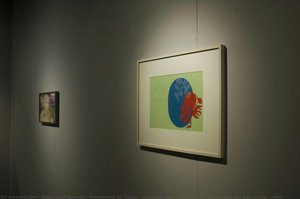
Qureshi’s commitment to her craft has garnered considerable acclaim internationally. She has graced prestigious galleries across continents including Sydney (Australia), Brisbane (Australia), Cincinnati (USA), New York (USA) and Venice (Italy). Her solo exhibitions have consistently captivated audiences with their meticulous execution and evocative imagery—demonstrating a mastery of technique coupled with an intellectual rigor that elevates her work beyond mere aesthetic pleasure. Notably, she was awarded the Bulgari Art Award in 2019, recognizing her exceptional contribution to contemporary art. Furthermore, Qureshi’s participation in biennials like Sharjah Biennale (2023) and Venice Biennale (2009), alongside inclusion in major curated exhibitions at institutions worldwide—such as Kunsthistorisches Museum Wien, National Portrait Gallery Canberra, and The Drawing Center New York—solidifies her position as a significant figure within the global art community.
Recurring Themes & Artistic Vision
Qureshi’s artistic vision centers on confronting uncomfortable truths about history and power dynamics. She skillfully repurposes traditional compositional structures to reimagine narratives of absence, loss, and resistance—challenging conventional interpretations of cultural heritage. Her work is characterized by vibrant color palettes, delicate line drawings, and symbolic motifs that delve into concepts of knowledge, desire, and memory. Drawing inspiration from her own experiences alongside reflections on broader societal concerns – including issues of migration, gender roles, and colonial legacies – Qureshi consistently seeks to provoke dialogue and foster critical engagement with artistic representations. Her art serves as a testament to the enduring capacity of visual language to illuminate profound human emotions and grapple with urgent ethical dilemmas—a reflection of her unwavering belief in the transformative potential of art to inspire contemplation and reshape perspectives on our shared past and future.