
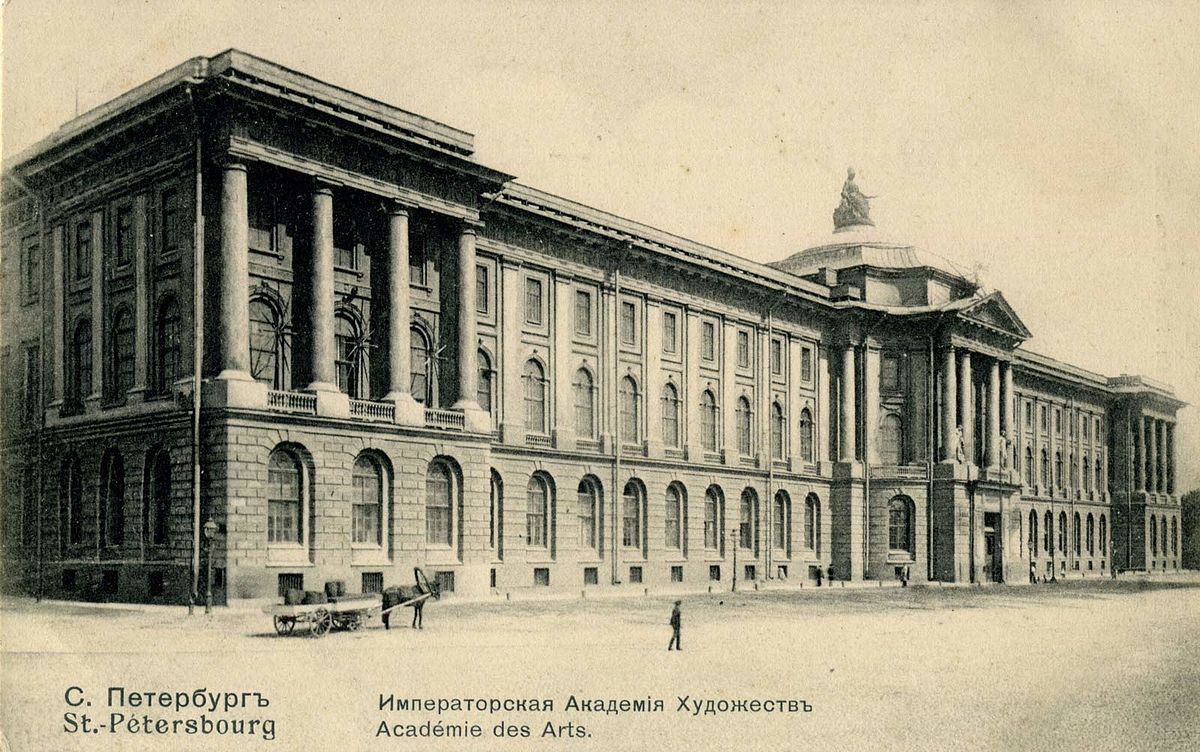
The Enduring Legacy of Artistic Grandeur: Exploring the Imperial Academy of Arts in St. Petersburg
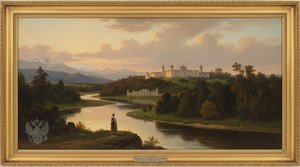
Nestled along the majestic banks of the Neva River, within a breathtaking Neoclassical palace that echoes with centuries of artistic endeavor, lies the Imperial Academy of Arts – a monument not just to brushstrokes and sculpted forms, but to Russia’s profound engagement with European artistic traditions and its own burgeoning cultural identity. More than simply a museum, it is a living chronicle of an era, a testament to the ambition of Catherine the Great, and a sanctuary for some of Russia's most celebrated artists. From its humble beginnings as a training ground for aspiring painters to its current role as a repository of national artistic heritage, the Academy’s story is one of transformation, innovation, and unwavering dedication to the pursuit of beauty.
The building itself stands as an immediate declaration of grandeur. Commissioned in 1789 under Catherine II, it represents a deliberate embrace of Neoclassicism – a style that mirrored the ideals of order, reason, and harmony prevalent throughout Europe at the time. Designed by Konstantin Thon, the palace’s façade is a symphony of columns, pilasters, and intricate ornamentation, reflecting the power and prestige of the Russian Empire. But beyond its imposing exterior lies a complex of interconnected buildings, each contributing to the Academy's unique character – including a remarkable cast collection, a rare resource that served as a foundational tool for generations of students, allowing them to dissect and master the anatomy of classical sculpture through direct study of ancient masterpieces. The inclusion of two ancient Egyptian sphinxes, brought from Egypt by Thon himself, adds an element of exotic allure and underscores the Academy’s ambition to connect Russian art with the wider world.
A Crucible of Artistic Innovation: Shaping a National Style
The Imperial Academy's influence extended far beyond its walls. Established in 1757 by Empress Elizabeth Petrovna, it initially aimed to train Russian artists in the styles prevalent in Western Europe – a strategy that quickly evolved into something far more distinctive. The Academy became a pivotal force in shaping Russia’s artistic identity, fostering a synthesis of European techniques with uniquely Russian sensibilities. This period witnessed the rise of the “Peredvizhniki” (Itinerants), a group of artists who challenged the rigid academic traditions and championed realism, social commentary, and a commitment to portraying the lives of ordinary Russians. Figures like Ilya Repin, Mikhail Vrubel, and Vasily Vereshchagin, all trained at the Academy, went on to become icons of Russian art, capturing the spirit of their nation with unparalleled skill and emotional depth.
The Academy’s pedagogical approach was equally revolutionary. Unlike traditional institutions that prioritized rote memorization and imitation, it emphasized observation, experimentation, and a deep understanding of artistic principles. Students were encouraged to study not only masterpieces in the Academy's collection but also to travel extensively throughout Europe, immersing themselves in diverse artistic traditions. This commitment to fostering independent thinking and creative exploration helped to propel Russian art into a new era of innovation and originality.
A Pantheon of Artistic Masters: Treasures Within the Walls
The Imperial Academy’s collection is a breathtaking panorama of artistic achievement spanning centuries. It boasts an impressive array of paintings, sculptures, drawings, and architectural models – reflecting both Western European influences and distinctly Russian styles. Among its most celebrated holdings are works by Ilya Repin, renowned for his poignant depictions of Russian life; Karl Bryullov, the master of grand historical paintings that evoke a sense of epic drama; and countless other artists who shaped the course of Russian art history. The collection also includes significant works by European masters – Rembrandt, Titian, Raphael – demonstrating the Academy’s commitment to preserving and studying the best examples of Western artistic tradition.
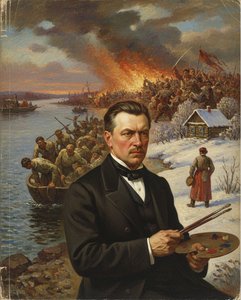
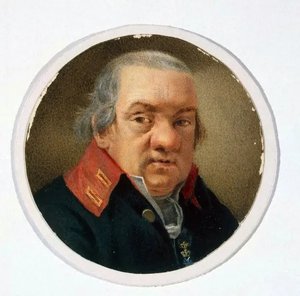
Notable individual pieces include “Justice” by A. Losenko, a copy of a fragment from the Stanza in the Room of Constantin in the Vatican Palace, and “The Abduction of Europa” by G. Ugryumov – both testaments to the Academy’s dedication to mastering classical techniques. The portraits within the collection offer glimpses into the lives of prominent figures—from Count V. Fermor, a military man and statesman, to the artist himself, reflecting the Academy's role as a center for artistic development and social engagement.
A Legacy Preserved: The Museum and Beyond
Today, the Imperial Academy of Arts stands as a vibrant cultural institution, welcoming visitors from around the world. Its permanent exhibition showcases a remarkable collection of artworks, offering insights into Russia’s rich artistic heritage. But the Academy is more than just a museum; it remains an active center for art education and research. The I.E. Repin Leningrad Institute of Painting, Sculpture and Architecture, housed within the historic palace, continues to nurture new generations of artists, carrying forward the traditions established centuries ago. A visit to the Imperial Academy of Arts is not merely a journey through time; it’s an immersion in the heart of Russian artistic genius – a testament to the enduring power of creativity and the legacy of a truly exceptional place.