A Journey Through Oklahoma City’s Art Deco Heart
Oklahoma City's Western Avenue Association isn’t merely a street; it’s an embodiment of American optimism and architectural grandeur from the roaring twenties. While lacking the hushed reverence of a conventional museum, this district pulsates with life—a testament to its remarkable preservation and offering visitors an unparalleled opportunity to step directly into history. Imagine strolling along meticulously maintained facades adorned with geometric patterns and stylized floral motifs – it’s an experience that transcends observation; it's participation in Oklahoma City’s formative narrative.
Architectural Marvels: The Art Deco Legacy
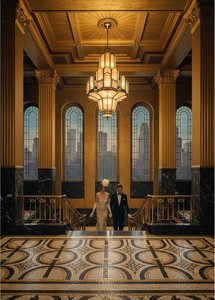
The defining characteristic of Western Avenue is undoubtedly its concentration of Art Deco buildings. Constructed between 1925 and 1930, these structures represent a deliberate rejection of Victorian ornamentation, favoring streamlined forms and bold geometric designs. Architects embraced the principles of Futurism and Cubism, translating them into breathtaking edifices that speak to a desire for progress and sophistication. The use of materials like limestone and terracotta contributes to their enduring beauty, showcasing craftsmanship honed over decades. Detailed bas-reliefs depicting stylized animals—lions, eagles, and peacocks—are common motifs, symbolizing strength, nobility, and prosperity – values deeply ingrained in Oklahoma City’s early aspirations. These buildings stand as a testament to the ambition of a city eager to establish itself on the national stage.
Echoes of Prosperity: The History Behind the Buildings
Western Avenue flourished during Oklahoma City's rapid expansion following statehood in 1890. It quickly became a vital commercial artery, attracting businesses ranging from banks and theaters to retail establishments and hotels. These buildings weren’t simply erected for profit; they were conceived as statements of civic pride—a desire to showcase Oklahoma City as a modern, desirable destination. The Great Depression undoubtedly impacted the district's fortunes, yet its resilience ensured that it retained its distinctive character. Today, ongoing preservation efforts safeguard this tangible link to Oklahoma City’s golden age. Researchers continue to uncover fascinating details about the lives of those who inhabited these spaces and contributed to the city’s cultural landscape.
Experiences Beyond Walls: Exploring Western Avenue
What distinguishes Western Avenue from other historic districts is its interactive nature. Visitors aren’t confined to viewing artifacts; they can actively engage with the environment. Architectural tours illuminate the intricacies of Art Deco design, guiding participants through buildings and revealing stories behind their creation. Boutique shops offer a curated selection of locally crafted goods—clothing, jewelry, and home décor—allowing visitors to connect with Oklahoma City's creative spirit. And culinary adventures await at restaurants showcasing regional flavors and traditions. Local artists often participate in events celebrating the district’s heritage, adding another layer of vibrancy to its cultural identity.
Notable Exhibitions & Ongoing Preservation
The Western Avenue Association actively collaborates with historians and artists to organize exhibitions that delve deeper into the district’s history and artistic heritage. Recent initiatives have focused on celebrating Oklahoma City’s contributions to Art Deco design nationwide, highlighting lesser-known architects and detailing innovative construction techniques. Furthermore, ongoing preservation projects—including façade restoration and landscaping improvements—ensure that Western Avenue continues to inspire awe for generations to come. It stands as a beacon of architectural beauty and cultural vitality – a place where history breathes life into the present. The Association’s commitment to safeguarding this irreplaceable treasure underscores Oklahoma City's dedication to preserving its past while embracing its future.