A Sanctuary of Social History: The Working Class Movement Library
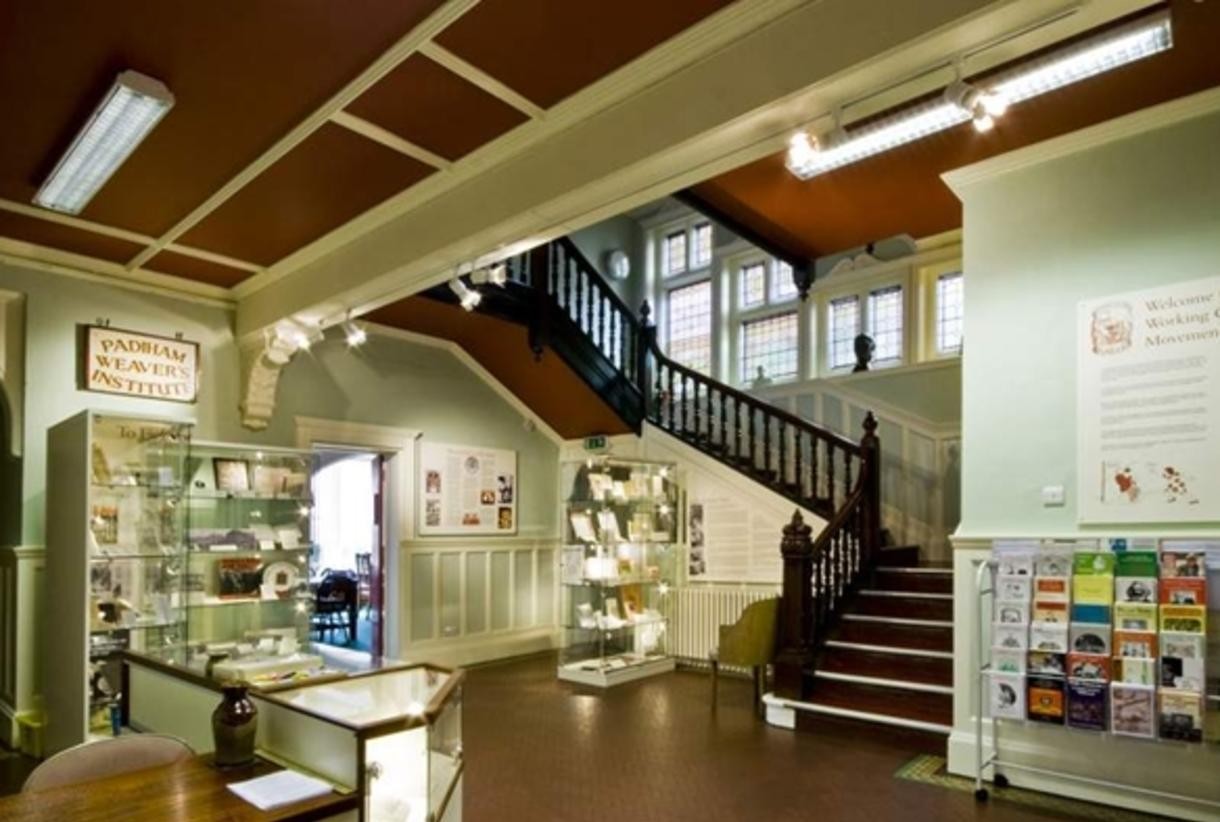
Nestled in Salford, Greater Manchester, the Working Class Movement Library stands as a powerful testament to the lives, struggles, and triumphs of ordinary people—a beacon illuminating the complexities of British social history. More than just a repository of books; it’s an immersive experience, inviting visitors into a space where the echoes of past movements intertwine with contemporary concerns. Founded in 1964 from the passionate collecting of Eddie Frow and Ruth Haines, who dedicated their lives to preserving this vital narrative, the library has blossomed into an unparalleled resource for researchers, historians, and anyone yearning to grasp the forces that have molded modern Britain. The very building itself—Jubilee House—constructed in 1897 to commemorate Queen Victoria’s Diamond Jubilee—offers a poignant visual counterpoint to its mission: safeguarding the history of those who dared to challenge Victorian societal conventions. Its ornate Victorian architecture, meticulously maintained, speaks volumes about an era defined by profound social disparities, now transformed into a space devoted to documenting resistance and reform.
A Treasure Trove of Voices: Collection Highlights
The library’s core comprises over 30,000 books—a breathtaking panorama spanning from the Industrial Revolution through to more recent struggles for social justice. These aren't merely texts; they are conduits to countless perspectives—labor organizers, socialist thinkers, artists documenting daily life, and individuals grappling with profound questions of identity and belonging. Among its most celebrated holdings are comprehensive archives pertaining to pivotal events: The Peterloo Massacre Archive meticulously chronicles the tragic clash between demonstrators and police forces in 1838, capturing the fervor of Chartist activism; materials related to the General Strike of 1926 illuminate the collective determination of British workers confronting economic hardship; and documents from the Miners’ Strike of 1984-85 offer a sobering glimpse into confrontations between labor unions and government authority. Furthermore, the library boasts impressive collections documenting Irish history—reflecting the transnational dimensions of labor movements—and international archives exploring struggles for worker rights across continents.
Architectural Resonance: Jubilee House – A Symbol of Victorian Legacy
The building itself is more than just structural support; it’s a tangible embodiment of its historical context. Jubilee House, designed in accordance with prevailing Victorian architectural styles—characterized by grandeur and ornamentation—was conceived as a celebration of Queen Victoria's reign—a symbol of imperial power and societal stability. Its intricate façade, adorned with sculpted floral motifs and stained glass windows depicting biblical scenes, reflects the aesthetic sensibilities of the period—a deliberate effort to convey moral virtue and civic pride. Today, Jubilee House serves as an arresting juxtaposition against the library’s mission—preserving narratives of dissent and challenging established hierarchies—reminding visitors that history unfolds within frameworks shaped by both triumph and adversity.
Beyond Archives: Exhibitions That Inspire Dialogue
Recognizing the importance of engaging audiences beyond scholarly pursuits, the Working Class Movement Library regularly hosts exhibitions exploring themes central to British social history. These presentations delve into subjects such as Chartism—the movement advocating for parliamentary reform—and the Peterloo Massacre—a violent suppression of peaceful demonstrations—providing visitors with invaluable insights into pivotal moments that reverberate through time. Recent projects have revisited the Grunwick Strike, documenting the courageous fight by textile workers for fair wages and working conditions—affirming the library’s commitment to honoring diverse voices and fostering critical reflection on social justice issues. The exhibitions are thoughtfully curated, incorporating archival materials alongside contemporary artworks—creating a dynamic dialogue between past struggles and present realities.
A Living Legacy: Accessibility and Engagement – Shaping Future Generations
What distinguishes the Working Class Movement Library from conventional institutions is its unwavering dedication to fostering intellectual curiosity and promoting collaborative exploration. It’s not merely a repository of knowledge; it's a vibrant space where researchers, artists, educators, and community members converge—sharing perspectives and inspiring new generations to grapple with complex questions about social change. The library actively encourages dialogue—facilitating workshops, lectures, and collaborative projects that empower visitors to engage critically with historical narratives and contribute to ongoing conversations about justice and equality. This ethos reflects the enduring conviction that history isn’t simply studied; it's lived—a belief embodied in the WCML’s continuing commitment to preserving its legacy for years to come.