Menú
Asesoría de arte gratuita

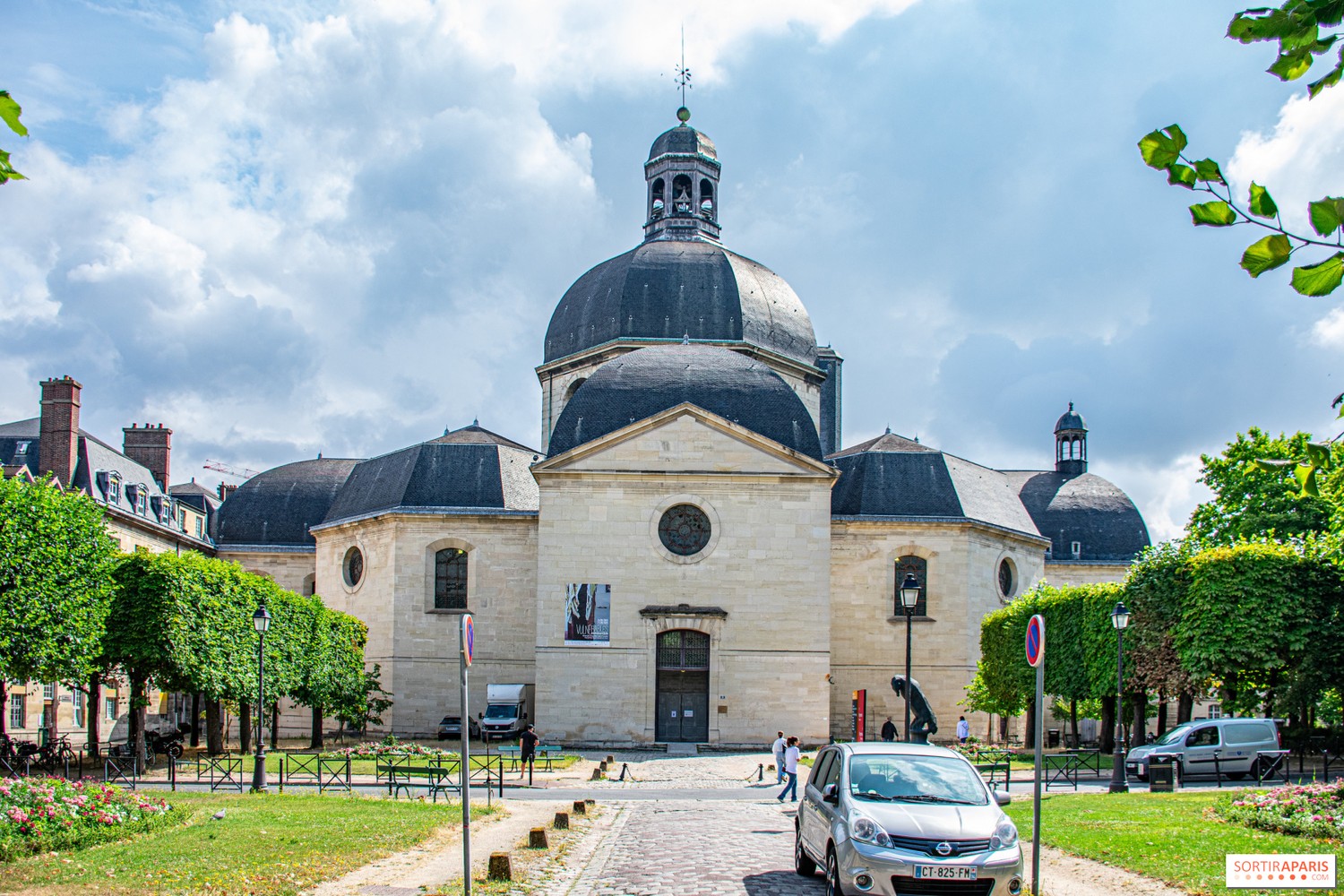
Chapel of Saint-Louis-de-la-Salpetriere

Información esencial

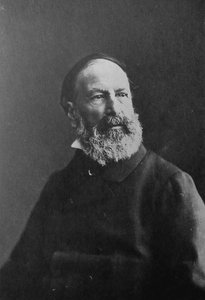
  • Featured artists: Antoine Étex
  • Location: París, Francia
  • Alternate names:
    • Capilla de la Clínica de Salpêtrière
    • Capilla de Salpêtrière
    • Chapelle Saint Louis
    • Salpêtrière
  • Works on APS: 1
Chapel of Saint-Louis-de-la-Salpetriere

A Glimpse into Medical History: The Chapel of Saint-Louis-de-la-Salpetriere Hospital

The Chapel of Saint-Louis-de-la-Salpetrière in Paris offers a singular journey through medical history, architectural grandeur, and artistic brilliance—a testament to the humanist ideals that shaped Enlightenment France. Established as a gunpowder factory in 1656 under Louis XIII, it underwent a dramatic transformation when Louis XIV recognized its potential for fostering compassion and healing, converting it into a hospice dedicated to women impoverished by circumstance. This conversion marked the genesis of an enduring narrative—one interwoven with revolutionary fervor, scientific breakthroughs, and artistic innovation that continues to resonate today. ### Architectural Marvel: Baroque Elegance Amidst Parisian Resilience The chapel’s architectural design embodies the Baroque style—characterized by opulent ornamentation, soaring proportions, and dramatic use of light—a deliberate choice reflecting Louis XIV's ambition to assert royal authority while simultaneously nurturing spiritual contemplation. Constructed between 1671 and 1678 by Libéral Bruant, it stands as a cornerstone of Parisian Baroque architecture, showcasing the masterful craftsmanship of its builders. The façade is dominated by Corinthian columns adorned with gilded capitals—a symbol of imperial prestige—and culminates in a sculpted tympanum depicting Saint Louis IX, patron saint of France, embodying piety and royal devotion. Inside, an octagonal dome ascends to dizzying heights, illuminated by stained glass windows crafted by Marc Chagall in 1964—a bold artistic intervention that elevates the chapel’s spiritual atmosphere and celebrates its enduring legacy as a place of beauty and contemplation. ### Artistic Treasures: Sculptures That Speak Volumes The chapel's collection is enriched by two monumental sculptures created by Antoine Etex—a sculptor whose prodigious talent propelled him to international acclaim during his lifetime. “Cain struck by the Divine Anger,” portraying Cain’s torment after murdering Abel, captures the dramatic tension inherent in Baroque art—characterized by dynamic poses and expressive drapery—demonstrating Etex's mastery of sculptural technique. Alongside this masterpiece stands “The City of Paris implores God for Mercy for The Victims of Cholera,” commemorating Philippe Pinel’s pioneering efforts to reform psychiatric treatment and offering a poignant reflection on compassion and healing. These sculptures serve as tangible reminders of the era’s intellectual currents—a celebration of humanist values and an acknowledgement of the transformative power of art to convey profound moral truths. ### Historical Significance: From Gunpowder Factory to Psychiatric Pioneer The chapel's history is inextricably linked to pivotal moments in French social and political history—from the tumultuous years of the Fronde rebellion to the harrowing events of the September Massacres of 1792, during which women incarcerated within its walls endured unimaginable suffering. However, it’s perhaps most celebrated for its role as a crucible of psychiatric innovation—thanks to Philippe Pinel's courageous advocacy for humane treatment methods and his groundbreaking experiments in reform that revolutionized the understanding of mental illness. The chapel stands as a testament to Pinel’s unwavering conviction that compassion and observation could unlock the secrets of human psychology—a legacy that continues to inspire medical professionals worldwide. ### A Legacy Enduring Through Time: Beyond Decoration, Reflection Today, the Chapel of Saint-Louis-de-la-Salpetrière transcends its role as a mere architectural monument; it serves as a site for contemplative reflection—a reminder of the enduring importance of empathy and understanding in addressing mental health challenges. Its continued presence within Paris’s cultural landscape underscores its significance as a place where art, science, and human compassion converge—a beacon of intellectual curiosity and moral integrity that embodies the spirit of Enlightenment France and invites visitors to contemplate the profound questions posed by history and artistic expression.

Test de arte

Cada pregunta tiene una única respuesta correcta.

Pregunta 1:
¿Qué es lo que hace particularmente especial a la Capilla de Saint Louis-de-la-Salpetriere?
Pregunta 2:
¿Quién inició reformas humanitarias innovadoras en el cuidado psiquiátrico en Saint Louis?
Pregunta 3:
¿Qué evento histórico tuvo un impacto significativo en la historia de Saint Louis?
Pregunta 4:
¿Quién impulsó métodos de tratamiento más compasivos en Saint Louis?
Pregunta 5:
¿Qué dimensión artística aportan las esculturas de Antoine Etex a la colección del museo?