Charting New Worlds: Collection Highlights & Historical Context
The Portuguese Task Force for the Commemorations of the V Centenary of Circumnavigation stands as a singular testament to Portugal’s pivotal role in shaping human history – specifically, its audacious ambition to conquer the unknown seas and redefine the boundaries of civilization. Located in Alges, this museum isn't merely a repository of artifacts; it’s an immersive journey back to the sixteenth century, guided by the spirit of Fernão de Magalhães and his intrepid crew. From the moment you step inside its elegantly designed halls, you are enveloped in an atmosphere that breathes with the salty air of exploration and whispers tales of daring voyages and groundbreaking discoveries.
-
Magnificent Maps & Instruments:
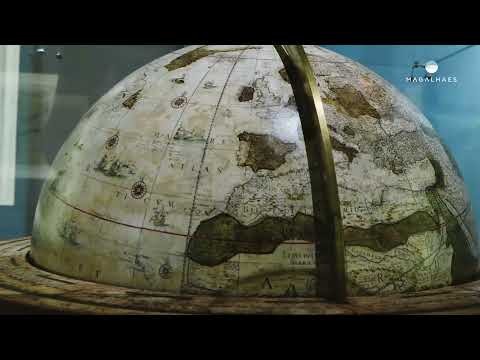
The museum’s centerpiece is undoubtedly its impressive collection of original sixteenth-century maps—detailed depictions of Portugal’s coastline alongside ambitious projections of the Pacific Ocean—and exquisitely crafted navigational instruments. Astrolabes, quadrants, compasses, and sextants gleam under carefully positioned spotlights, inviting visitors to contemplate the ingenuity that underpinned Magellan's quest for a westward route around Africa. Each item speaks volumes about the technological advancements of the era and the unwavering determination of Portuguese cartographers to chart new horizons.
-
Fragments of Victoria:
Visitors can marvel at recovered fragments from *Victoria*, Magalhães’ flagship—a weathered wooden beam bearing the unmistakable imprint of the voyage, alongside meticulously preserved textiles adorned with intricate embroidery depicting scenes from Magellan's expedition. These tangible reminders of the journey offer a visceral connection to the hardships endured by the crew and the triumphs achieved in overcoming formidable obstacles.
-
Biodiversity Revisited:
Beyond the instruments and ship fragments, The Portuguese Task Force presents a captivating exploration of the biodiversity encountered during Magellan’s voyage—detailed botanical illustrations showcasing exotic flora from Indonesia and Australia alongside anatomical drawings documenting specimens brought back to Lisbon. These scientific depictions underscore the importance of observation and documentation in advancing knowledge and capturing the essence of distant ecosystems.
Architecture as Narrative: A Modern Vessel for a Historic Tale
The museum’s architectural design is itself a deliberate homage to the spirit of maritime exploration, reflecting the grandeur of Portugal's seafaring heritage while embracing contemporary aesthetic sensibilities. Constructed in Alges, Portugal, it seamlessly blends historical references with innovative structural principles—a testament to the enduring power of artistic inspiration. The building’s soaring ceilings mimic the hulls of sixteenth-century galleons, creating a sense of spaciousness and elevating visitors’ gaze toward the heavens. Large windows flood the galleries with natural light, illuminating the artifacts with breathtaking brilliance and enhancing their visual impact. Furthermore, subtle geometric patterns echo the rhythmic lines of nautical charts—a deliberate nod to Magellan's quest for precision and accuracy. The architects skillfully employed materials that evoke the textures of weathered wood and polished bronze, grounding the museum’s design in its historical context while fostering a welcoming environment for learning and contemplation.
A Legacy Rooted in Remembrance: Historical Context & UNESCO Recognition
Established to commemorate the 500th anniversary of Magellan's voyage—a moment that irrevocably altered the course of global history—The Portuguese Task Force embodies Portugal’s unwavering commitment to preserving its maritime legacy and fostering a deeper understanding of this transformative event. The museum’s mission extends beyond showcasing artifacts; it strives to inspire future generations to embrace curiosity, pursue knowledge relentlessly, and champion the spirit of discovery—a reflection of Magellan's pioneering ethos and his enduring influence on human civilization. Recent efforts to secure UNESCO World Heritage designation underscore the institution’s dedication to safeguarding this pivotal moment in global history and promoting its significance on an international scale – recognizing Portugal’s contribution to the Age of Discovery and ensuring that Magellan’s story continues to resonate across generations.
Interactive Exploration & Contemporary Engagement
What distinguishes The Portuguese Task Force is its commitment to engaging visitors through interactive experiences—a bold departure from traditional museum presentations that seeks to ignite imaginations and foster a deeper connection with history. Visitors can delve into reconstructed voyages via immersive multimedia installations, examining detailed maps and animations that recreate Magellan’s perilous journey across the Atlantic Ocean and Pacific Sea. Interactive displays invite exploration of scientific discoveries made during the expedition—analyzing specimens collected from distant lands alongside reconstructing Magellan's meticulous observations using cutting-edge LiDAR scanning technology. These innovative approaches underscore The Portuguese Task Force’s conviction that history should not merely be studied but actively experienced—a celebration of Portugal’s maritime heritage and an inspiration for fostering intellectual curiosity in audiences of all ages.
Beyond the Artifacts: A Celebration of Cultural Exchange
The museum's narrative extends far beyond its collection highlights, delving into the complex tapestry of cultural exchange that characterized Magellan’s voyage—examining textiles from Peru alongside illuminated manuscripts from Constantinople—highlighting the dynamic interplay between artistic traditions and intellectual currents across continents. Through thoughtful curation and engaging educational programs, The Portuguese Task Force seeks to illuminate the broader context of this historical period—the political ambitions of monarchs vying for dominance, the fervor of religious reformation—and fostering a nuanced appreciation for Portugal’s role in shaping global civilization.