Menú
Asesoría de arte gratuita

Fondazione Museo del Tesoro del Duomo e Archivio Capitolare

Información esencial

  • Alternate names:
    • Museo del Tesoro del Duomo y Archivo Capitolare
    • Museo del Tesoro del Duomo
    • Museo del Tesoro
    • Fondazione Museo del Tesoro
  • Location: Vercelli, Italia
  • Featured artists:
    • giacomo da treviso
    • Flemish Manufacture
    • luigi guido grandi
    • north western italy scriptorium
    • italian manifacture
  • Works on APS: 19

Test de arte

Cada pregunta tiene una única respuesta correcta.

Pregunta 1:
¿Cuál es el objetivo principal de la Fondación Museo del Tesoro del Duomo y Archivio Capitolare?
Pregunta 2:
¿El Codex Vercellensis es notable por qué característica?
Pregunta 3:
¿Qué tipo de arte se representa por la colección de reliquarios alojada en el Museo del Tesoro?
Pregunta 4:
¿Qué diferencia distingue a la Fondación Museo del Tesoro del Duomo de otros museos?
Pregunta 5:
¿Por qué es esencial visitar Vercelli para comprender el patrimonio artístico italiano?

A Sanctuary of Faith and Art: Exploring the Fondazione Museo del Tesoro del Duomo in Vercelli

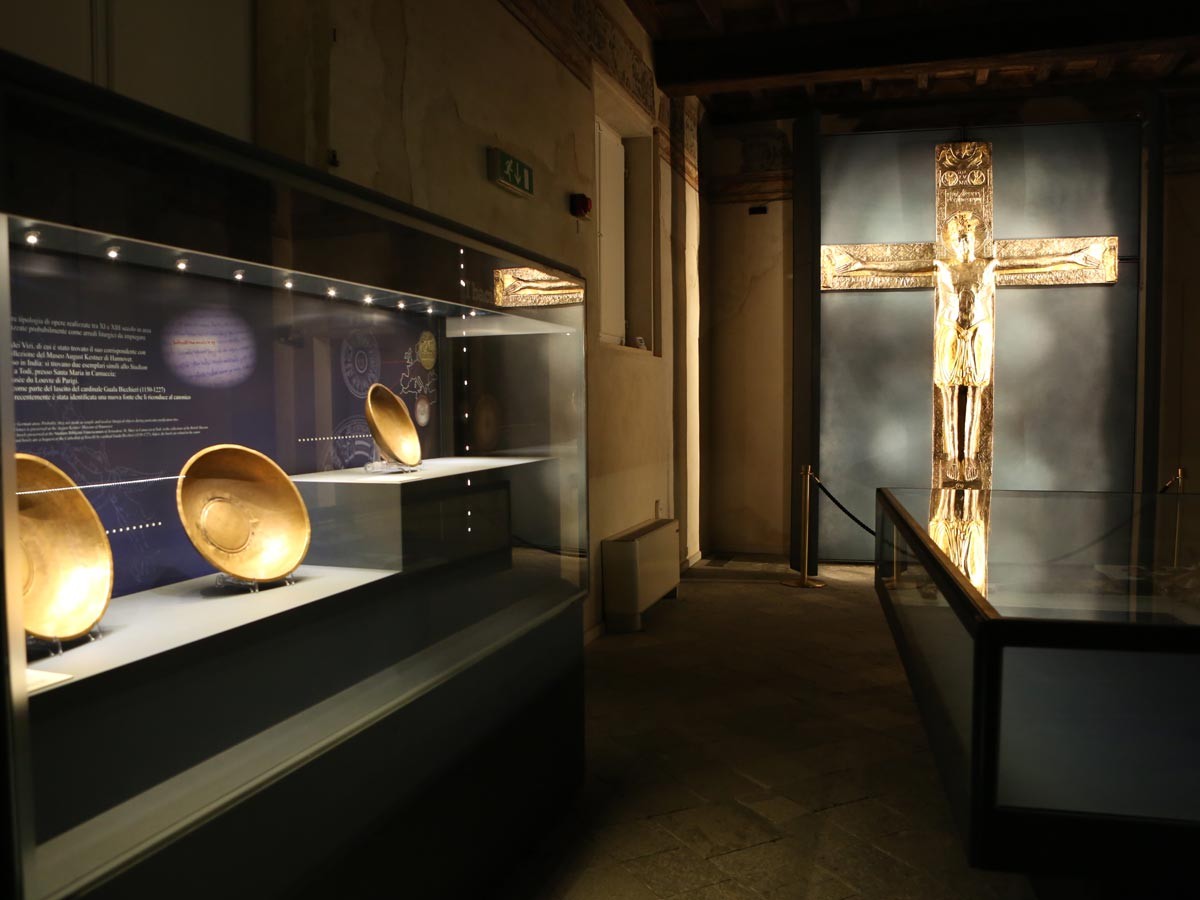
The Fondazione Museo del Tesoro del Duomo e Archivio Capitolare, nestled within the venerable walls of Vercelli Cathedral—a monument to Romanesque grandeur subtly interwoven with Gothic elegance—offers visitors an unparalleled opportunity to step back in time and immerse themselves in the artistic and intellectual fervor of medieval Italy. More than simply a repository of artifacts, it’s a carefully curated experience designed to illuminate the spiritual heart of Northern Europe during its formative centuries. Founded in 2005, driven by the Archbishop's vision and bolstered by the generosity of the Cassa di Risparmio di Vercelli, this institution has dedicated itself to safeguarding and disseminating the extraordinary heritage housed within its halls—a legacy that continues to inspire scholars and captivate art enthusiasts alike.

The Codex Vercellensis: A Window Into Early Christianity

At the very core of the Museo del Tesoro’s appeal lies its singular possession: the Codex Vercellensis Evangeliorum, arguably the oldest surviving complete text of the Latin Bible in Europe. Discovered in 1875 during excavations beneath the cathedral—a serendipitous find that instantly elevated Vercelli's cultural significance—this manuscript transcends its role as a religious document; it is a cornerstone of medieval scholarship and an indelible link to the genesis of Christian faith on the continent. Dating back to approximately 390-405 AD, scholars believe it originated in Ireland or Northumbria, reflecting the burgeoning monastic tradition that characterized early Christendom. The Codex’s fragile vellum pages—carefully inscribed with elegant Carolingian minuscule script—bear witness to the meticulous craftsmanship of its illuminators and scribes. Beyond its textual importance, the Codex embodies the artistic ideals of its time – a testament to the devotion and intellectual curiosity that fueled the revival of learning during Charlemagne's reign. Its preservation represents not only an achievement in conservation but also a profound connection to Europe’s spiritual past.

Reliquaries and Sacred Objects: Echoes of Devotion

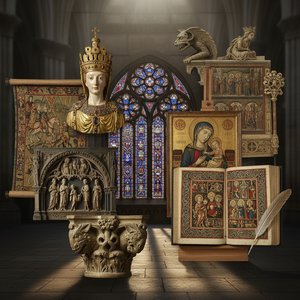
The Museo del Tesoro’s collection of reliquary art is equally compelling, presenting visitors with a breathtaking panorama of medieval piety expressed through exquisite craftsmanship. These containers—ranging from ornate gilded chalices crafted by Florentine goldsmiths to intricately carved ivory crucifixes bearing traces of Byzantine artistry—were once central to liturgical rituals and venerated as tangible embodiments of divine grace. Each reliquary tells its own story, reflecting the stylistic influences of diverse artistic traditions – Romanesque solidity juxtaposed with Gothic delicacy—and embodying the fervent belief in the efficacy of intercession that permeated medieval spirituality. The Museo’s curators have painstakingly documented each object's provenance and iconography, providing invaluable insights into the religious beliefs and artistic practices of the period. Examining these relics prompts contemplation on the profound symbolism embedded within their forms – crosses representing Christ’s sacrifice, medallions depicting saints venerated for their virtues—and invites reflection on the enduring power of faith to inspire beauty and devotion.

A Historical Archive: Unveiling Vercelli’s Past

Complementing the visual splendor of the Museo del Tesoro is its Archivio Capitolare—a vast repository of historical documents that illuminate Vercelli's multifaceted history from the medieval era through the Enlightenment. Among these treasures are letters exchanged between bishops and papal envoys, legal decrees issued by local magistrates, and meticulously drawn architectural plans documenting the cathedral’s evolution over centuries. Researchers can trace the trajectory of Vercelli’s political fortunes—from its role as a Lombard duchy to its affiliation with Savoy—through these archival records, gaining a nuanced understanding of the region's cultural identity. The Museo’s archivists have undertaken extensive research projects aimed at reconstructing the daily life of Vercelli’s inhabitants—scholars, artisans, clergy, and peasants alike—revealing the social dynamics that shaped the city’s character. Examining these documents offers visitors a rare glimpse into the intellectual currents of the medieval period – theological debates concerning papal authority, artistic commissions reflecting patronage by noble families—and underscores the Museo's role as a conduit for knowledge and historical understanding. ### What Makes Vercelli’s Museo Del Tesoro Unique? The Fondazione Museo del Tesoro e Archivio Capitolare distinguishes itself from other museums through its holistic approach – presenting its treasures not merely as isolated objects but as integral components of a vibrant cultural ecosystem. The Codex Vercellensis stands alone as an unparalleled exemplar of early Christian manuscript illumination, attracting scholars from across Europe eager to study its intricate iconography and stylistic innovations. Furthermore, the Museo’s architectural setting—within the cathedral complex itself—creates an immersive experience that transcends conventional museum boundaries. Visitors can trace the cathedral's history from Romanesque beginnings through Gothic transformations, gaining a deeper appreciation for the artistic legacy of Vercelli. Finally, ongoing educational programs—designed to engage both schoolchildren and seasoned art historians—ensure that the Museo’s treasures continue to inspire future generations—a testament to its enduring significance as a beacon of cultural heritage and intellectual curiosity.

Colección de obras de arte

No se encontraron obras de arte.