


Echoes of Industry and Everyday Life: A Chronicle Woven in Stone and Paint
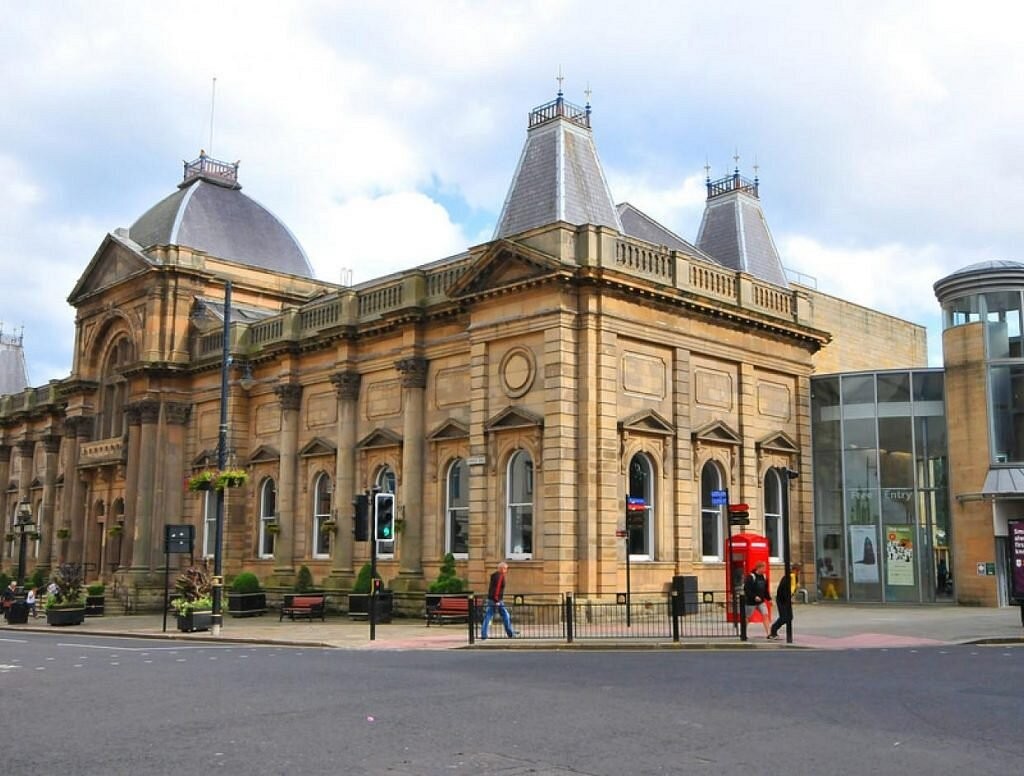
Nestled within the vibrant heart of Sunderland, a city steeped in maritime history and industrial grit, lies the University of Sunderland Museum – more than just a repository of artifacts; it’s a living, breathing narrative. From its humble beginnings as a municipal training college in 1846, tracing back to the foundations laid by Benedict Biscop and his pioneering monastic school, the museum unfolds like a meticulously crafted tapestry. The building itself, a harmonious blend of Victorian grandeur and modern design courtesy of Robert Soden’s masterful construction – particularly the striking Prospect Buildings – speaks volumes about Sunderland's journey: a city that has embraced its past while boldly forging ahead. The recent addition of the Winter Gardens, a shimmering glass rotunda offering a surprising oasis of tropical flora overlooking Mowbray Park, exemplifies this seamless fusion of old and new, creating an immersive experience that transcends traditional museum boundaries.
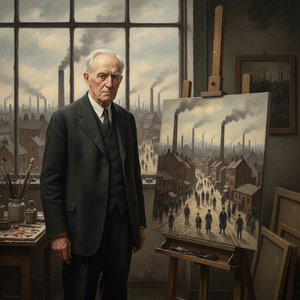
The museum’s collection is remarkably diverse, reflecting Sunderland's multifaceted past. You’ll find the tangible remnants of its industrial prowess – colossal shipbuilding models hinting at the city’s once-dominant role in global trade, delicate glassware born from local furnaces echoing the skill and innovation of generations of artisans, and even fragments of pottery that whisper tales of domestic life. Yet, it's not solely focused on grand industry; a poignant thread runs through the collection celebrating the everyday experiences of ordinary people. This is powerfully embodied by L.S. Lowry’s evocative paintings – scenes of bustling streets, solitary figures contemplating their place in the world, and the stark beauty of industrial landscapes. These aren’t mere representations; they are windows into the souls of those who lived through these times, inviting you to connect with their stories on an emotional level, to feel the pulse of a nation undergoing profound transformation.
Notable Collection Highlights:
- L.S. Lowry’s Paintings: A substantial and deeply moving collection capturing the essence of working-class life in Britain.
- Wallace the Lion: A captivating figure from a 19th-century wild animal show, representing a bygone era of spectacle and entertainment.
- Industrial Artifacts: Detailed models of shipbuilding vessels, fragments of glassmaking equipment, and ceramics that illustrate Sunderland’s industrial heritage.
- Rare Antiquities: Including the unique British example of a flying reptile fossil and remnants of a Siberian walrus – testament to the region's diverse natural history.
The Icons of Sunderland: Wallace the Lion and the First Nissan
Certain exhibits within the University of Sunderland Museum have achieved iconic status, becoming potent symbols of the city itself. Perhaps none is more beloved than Wallace the Lion, a majestic figure from a 19th-century wild animal show who has resided in the museum’s collection for over 135 years. His presence evokes a sense of wonder and nostalgia, transporting visitors back to an era of spectacle and entertainment – a reminder of Sunderland's vibrant social life before the shift towards industrial dominance. Equally significant is the inclusion of the very first Nissan car to roll off the Sunderland factory line. This vehicle represents a pivotal moment in the city’s modern history—a turning point that signaled a dramatic shift towards automotive manufacturing, securing its place on the global stage and fundamentally reshaping the local economy.
These seemingly disparate objects – a majestic lion and a revolutionary automobile – are united by their ability to encapsulate the spirit of Sunderland: resilience, innovation, and an enduring sense of identity. The museum’s curators have skillfully arranged these exhibits within the context of the city's broader narrative, highlighting the interplay between industry, art, and everyday life.
Architectural Marvels and Artistic Connections
The architecture of the University of Sunderland Museum itself is a significant element of its appeal. Robert Soden’s design for the Prospect Buildings – particularly Building No. 1, with its distinctive red brick façade – showcases a masterful blend of Victorian revivalism and modern functionality. The buildings' robust construction reflects the city’s industrial heritage, while their spacious interiors provide an ideal setting for showcasing the museum’s diverse collection. Interestingly, Soden’s work on the University’s buildings shares stylistic similarities with Jean Prouvé’s innovative designs for the University of Strasbourg, reflecting a shared commitment to exploring new approaches to construction and design. The museum also benefits from its location within Mowbray Park, offering visitors a tranquil escape amidst the urban landscape.
Furthermore, the collection includes pieces that connect to broader artistic movements – including works inspired by the Gray Herbarium of Harvard University’s extensive botanical collections, showcasing the influence of nature on artistic expression. The integration of these diverse elements creates a rich and layered experience for visitors, inviting them to explore the connections between art, history, and the natural world.
A Legacy of Learning and Community Engagement
The University of Sunderland Museum is far more than just a display case for historical treasures; it’s an active participant in the community. For over 175 years, it has served as a vital educational resource, offering engaging exhibitions, stimulating events, and tailored programs designed to appeal to diverse audiences. The museum's dedication to preserving local history isn’t simply about safeguarding artifacts—it’s about fostering a deeper understanding of the past and its relevance to the present. This commitment extends beyond traditional displays; the integration of nature within the Winter Gardens demonstrates an innovative approach to museum design, creating a space that is both intellectually stimulating and aesthetically pleasing. The museum regularly hosts workshops exploring local crafts, lectures on regional history, and family-friendly activities designed to engage young minds.
Key Features & Ongoing Initiatives:
- Regularly updated exhibitions showcasing diverse themes from Sunderland’s past and present.
- Educational programs for schools and community groups.
- Community events, including art workshops and historical talks.
- Active social media presence engaging with visitors and sharing museum news.
Exploring Further: A Network of Connections
To delve deeper into the museum’s story and its architectural context, we recommend exploring the supplementary resources available online. The University’s website ( https://www.sunderland.ac.uk/ ) provides a comprehensive overview of its history and current activities. The museum also maintains an active social media presence, offering updates on exhibitions, events, and research projects. For those interested in exploring related artistic movements, we suggest investigating the work of Jean Prouvé, particularly his designs for educational institutions.