

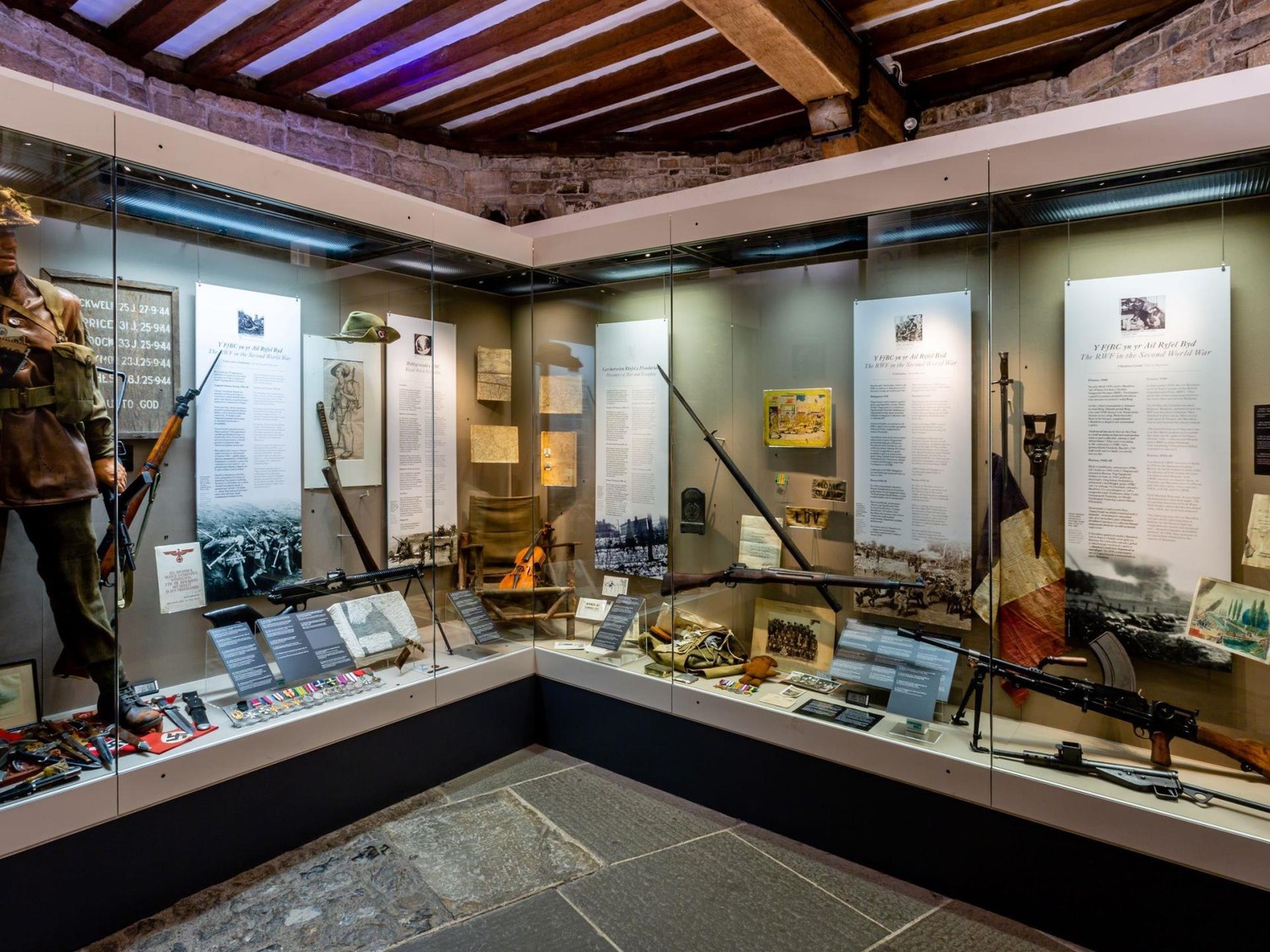
Información esencial
- Works on APS: 16
- Alternate names:
- Museo de los Fusileros Reales del País de Gales
- Museo RWF
- RWFM
- Location: Carnarvon, Reino Unido
- Featured artists:
- John Kyffin Williams
- Reginald Grenville Eves
- bt sir godfrey kneller
- chevalier louis william desanges
- thomas beach
Artistas en la colección
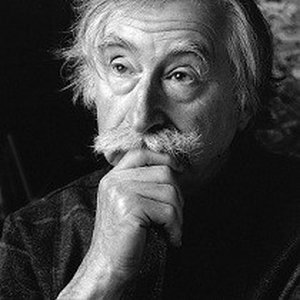
John Kyffin Williams
Sir John Kyffin Williams (1918-2006): El artista galés que capturó la esencia de su tierra con paisajes evocadores y una técnica única de impasto. ¡Descubre su obra!

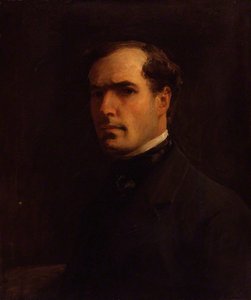
Reginald Grenville Eves
"meta_description": "Reginald Grenville Eves (1876-1941) fue un pintor británico reconocido por sus retratos de figuras destacadas entre las décadas de 1920 y 1930, incluyendo líderes militares y culturales. Artista oficial de la Guerra Mundial II. Obras en Tate & NPG."
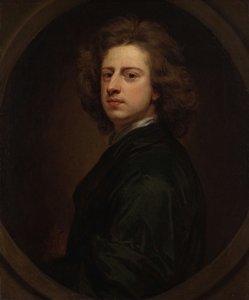
Godofredo Kneller
Sir Godfrey Kneller (1646-1723) fue el principal retratista de Inglaterra en las épocas tardía estuardo y georgiana. Conocido por sus retratos "Kit-Cat", su estilo grandioso y como pintor de la corte para Carlos II y Jorge I. ¡Descubre su legado!
Test de arte
Cada pregunta tiene una única respuesta correcta.
Pregunta 1:
¿Cuál es el enfoque principal del Museo de los Fusileros Reales?
Pregunta 2:
¿Dónde está ubicado el museo?
Pregunta 3:
¿Quién pintó obras maestras que capturan la atmósfera del conflicto?
Pregunta 4:
¿Qué elemento distintivo de la historia del Regimiento Royal Welsh refleja sus raíces tradicionales?
Pregunta 5:
¿Qué ofrece el museo además de artefactos históricos?
Artículos relacionados
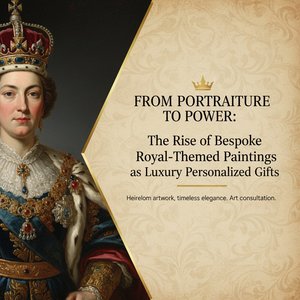
De Retratos Reales a Legados Personales: El Auge de la Pintura Bespoke como Regalo de Lujo Exclusivo
Crea un legado emocional con retratos personalizados de lujo hechos a mano por artistas expertos. Regalos únicos y arte original que transforman recuerdos en obras maestras atemporales. ¡Descubre la experiencia bespoke!
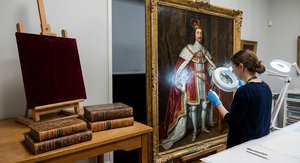
The Majesty of Representation: Exploring Regal Imagery in Art History
Explore the captivating history of royal portraiture with ArtsDot. Discover the symbolism, artistry, and enduring legacy of regal imagery in art. Expert insights for collectors & enthusiasts.
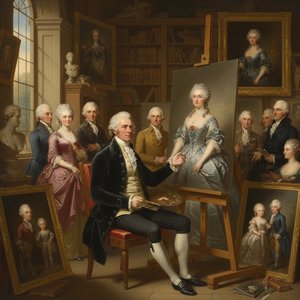
Sir William Beechey: Portraiture, Patronage & Shaping Georgian Society
Explore the life & art of Sir William Beechey, a leading British portraitist of the Georgian era. Discover his royal commissions, aristocratic subjects, and lasting influence on 18th-century painting. Learn more at ArtsDot.
Lista de obras de arte en Museo de los Fusileros Reales del País de Gales
No se encontraron obras de arte.


Suscríbete a nuestro boletín
Manténgase al día con las últimas noticias de arte, ofertas exclusivas e ideas de decoración.
Recibe 3 sugerencias de arte gratuitas
Cuéntanos sobre tu proyecto y nuestros expertos en arte te ofrecerán 3 sugerencias de obras personalizadas.
Not Sure Where to Start?
Let Us Curate 3 Options Just for You - Free!