
Sagamore Hill: A Sanctuary of Statesmanship and American Soul
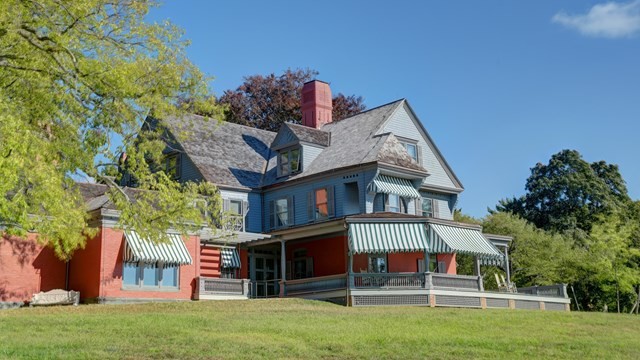
Nestled along the breathtaking shores of Long Island’s North Shore, Sagamore Hill isn't merely a historic residence; it’s an immersive portal into the life and legacy of Theodore Roosevelt – a titan of American politics, conservation, and, surprisingly, a devoted family man. More than just a grand estate, this Shingle Style masterpiece whispers tales of diplomacy, adventure, and the quiet contemplation that shaped one of America's most influential presidents. The house, originally conceived as “Leeholm” in honor of Roosevelt’s beloved wife Alice, stands as a testament to his evolving tastes and his deep connection with the American wilderness – a deliberate blend of understated elegance and profound symbolism.
The architectural brilliance of Sagamore Hill lies in its seamless integration with the landscape. Designed by the esteemed firm of Lamb & Rich, the mansion’s asymmetrical facade, clad in weathered shingles, evokes a sense of belonging rather than imposing grandeur. The expansive windows, strategically positioned to capture panoramic views of the Atlantic Ocean and surrounding woodlands, flood the interior with natural light – a deliberate choice reflecting Roosevelt's belief in the importance of both public service and personal tranquility. Beyond its aesthetic appeal, the house embodies a carefully considered narrative: a symbol of Roosevelt’s commitment to both leadership and his family life. The meticulous craftsmanship, from the hand-painted details to the intricately carved woodwork, speaks volumes about the dedication poured into every aspect of its creation.
A Collector's Chronicle: Treasures From Around the World
Stepping inside Sagamore Hill is akin to entering a meticulously curated autobiography. The North Room, undoubtedly the heart of the museum, overflows with artifacts – trophies from Roosevelt’s legendary African safari expeditions (the imposing moose head stands as a particularly striking example), gifts bestowed upon him by world leaders during his tenure as President and diplomat, and an astonishing collection of books reflecting his insatiable intellectual curiosity. These weren't simply possessions; they were tangible reminders of Roosevelt’s relentless pursuit of knowledge, adventure, and influence – a testament to his belief in the power of experience and observation. Beyond the North Room, visitors can trace Roosevelt’s political career through meticulously preserved documents, photographs, and personal correspondence, offering intimate glimpses into his strategic thinking and unwavering determination.
However, Sagamore Hill's collection extends far beyond the purely political. Edith Roosevelt’s influence is subtly woven throughout the house, evident in her exquisite needlework displayed with pride and the carefully curated floral arrangements that speak to a refined aesthetic sensibility. The family’s personal life – the births of three of Theodore and Edith’s five children within these walls – adds an intimate layer to the narrative, revealing a side of Roosevelt often obscured by his public persona. The presence of the children is felt throughout the estate, from the nursery to the expansive grounds, creating a poignant reminder of the man's dual roles as president and devoted father.
A Stage for Diplomacy: The Birthplace of Peace
Sagamore Hill’s significance transcends its role as a private residence. During Theodore Roosevelt’s presidency, it served as the “Summer White House,” hosting countless dignitaries and shaping the course of international relations. Perhaps most famously, it was here that the crucial peace talks leading to the end of the Russo-Japanese War were held in 1905 – an event for which Roosevelt received the Nobel Peace Prize. The very rooms where these negotiations took place resonate with a palpable sense of history, reminding visitors of the profound responsibility and weighty decisions entrusted to this unassuming Long Island estate. The strategic location on Long Island provided a discreet yet accessible setting for these diplomatic exchanges, allowing Roosevelt to maintain a semblance of privacy while remaining connected to Washington D.C.
Echoes of the Past: Architecture and Legacy
The addition of the North Room in 1905, designed by Lamb & Rich, dramatically expanded Sagamore Hill’s footprint and reflected Roosevelt’s evolving tastes and his dedication to preserving historical artifacts. This expansion not only increased the house's square footage but also showcased his commitment to fostering a space that honored both his personal passions and his public service. The Shingle Style architecture remains remarkably intact, a testament to the skill of the original builders and the enduring appeal of this understated yet elegant design. Beyond its architectural significance, Sagamore Hill represents a crucial chapter in American history – a period defined by progressive reform, conservation efforts, and an expanding role for the United States on the world stage. The site’s designation as a National Historic Site in 1962 ensured its preservation for future generations, safeguarding not only the physical structure of the house but also the rich legacy embodied within its walls. Today, Sagamore Hill stands as a powerful reminder of a man who shaped the nation and his enduring impact on the American landscape.