 プレビュー
プレビュー
 プリントを購入
 シェアする
シェアする シェアする
シェアする
 詳細を見る
詳細を見る

 ダウンロード
 似ている作品
 X線調査
X線調査 スライドショー
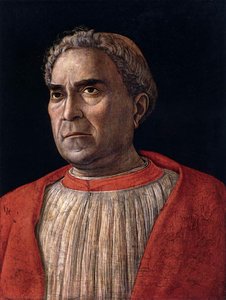
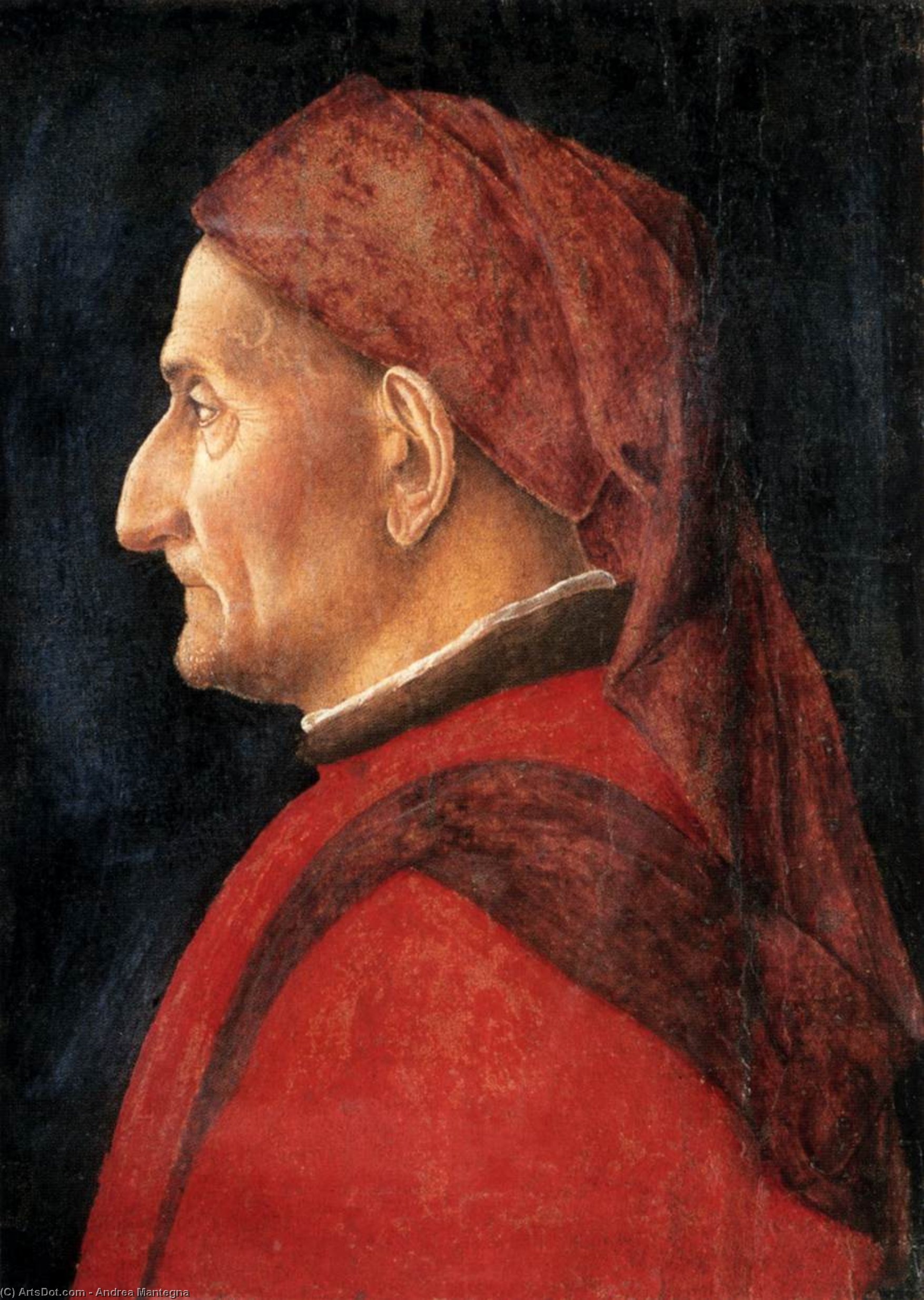
Portrait of a Man
 Acrylic On Canvas
- WallArt
- Early Renaissance
 1450
1450 32.0 x 29.0 cm
 Museo Poldi Pezzoli
 詳細を見る
詳細を見る




P118B $10

P118H $10

P118W $10

P438Z $10

P508JH $12

P508YH $12

P805H $10

P805Z $10

P919BZ $10

P919G $10

P919XJ $10

P959ZH $10

P968JZ $12

W106C $8

W218G $10

W218JH $8

W218Y $10

W307PJ $10

W316G $10

W316PJ $8

W316Y $10

W398PJ $8

W4111J $10

W500HY $15

W500JH $15

W692G $12

W849H $8

W940BG $15

W953PJ $8




作品のオリジナル比率に合わせた、当店の規定サイズからお選びください。

特定のフレームやスペースに合わせて、ご希望のサイズをご入力いただけます。選択されたサイズが元の画像の比率と異なる場合、アートワークをトリミングするか、手描きで要素を追加して絵画を拡張いたします。デジタルモックアップ を制作し、制作開始前にご確認(承認)をいただきます。
画面上のプレビューは、実際のトリミングや拡張を正確に反映しているものではありません。最終的な構図は、モックアップによってのみ正確にご確認いただけます。
カスタムサイズもご利用いただけますが、元の比率を維持するためには、あらかじめ用意されたリストからサイズを選択することをお勧めいたします。
ご注文後、ArtsDot.com チームより詳細な指示をお送りするとともに、仕上がりイメージ(モックアップ)をご提供いたします。


 ガラスオプションは、110cm未満のサイズでのみご利用いただけます。

Portrait of a Man
複製技法
複製画のサイズ
-


合計金額
$ 263
作品解説
A Gaze Into Antiquity: Andrea Mantegna’s ‘Portrait of a Man’
This arresting portrait, rendered in 1450 by the visionary artist Andrea Mantegna, is more than simply a likeness; it's a carefully constructed dialogue with the past. The subject, a man distinguished by his flowing beard and the weighty presence of a red robe adorned with a hood, appears to contemplate an unseen world, drawing us into a moment of quiet introspection. Against the stark simplicity of a black background, Mantegna’s mastery of form and perspective elevates this image beyond the commonplace, transforming it into a profound meditation on time, memory, and the enduring allure of classical antiquity.
The Renaissance Forged in Roman Echoes
Mantegna's artistic trajectory was profoundly shaped by his early apprenticeship under Francesco Squarcione. This wasn’t a traditional workshop; it was an immersive academy dedicated to the meticulous study of Roman ruins, sculptures, and inscriptions – fragments of a lost empire meticulously gathered and examined. Squarcione instilled in Mantegna a singular obsession with archaeological accuracy, a desire not merely to *copy* classical forms but to truly understand their essence. This dedication is strikingly evident in ‘Portrait of a Man,’ where the figure’s pose, drapery, and even the subtle suggestion of musculature recall the idealized nudes of Roman sculpture. Mantegna sought to recreate, not just imitate, the spirit of Rome, imbuing his work with a palpable sense of historical weight.
Technique and Dramatic Depth
The painting’s remarkable detail is achieved through Mantegna's innovative use of *sfumato*, a technique borrowed from Leonardo da Vinci that employs subtle gradations of tone to create an atmospheric effect. Notice how the folds of the robe seem to shimmer with light, and how the shadows deepen the recesses of the man’s face. Mantegna masterfully manipulates perspective, drawing the viewer's eye towards the figure while simultaneously creating a sense of spatial depth. The slightly elevated position of the subject, coupled with the receding black background, reinforces this illusion of three-dimensionality – a hallmark of Mantegna’s dramatic and theatrical style. The ring on his finger, a small but significant detail, hints at status and perhaps even a personal narrative, adding layers of intrigue to the portrait.
Symbolism and the Weight of History
The red robe itself carries symbolic weight. Red has long been associated with power, authority, and nobility in Western art – a visual shorthand for leadership and importance. The hood, reminiscent of Roman senators, further connects the figure to the classical world. More than just a portrait, this image feels like a deliberate invocation of Rome’s grandeur. It's as if Mantegna is presenting us with a timeless archetype—a man embodying both earthly authority and an enduring connection to the past. The downward gaze suggests contemplation, perhaps even melancholy, inviting us to consider our own place within the vast sweep of history. The painting speaks not just of an individual, but of the legacy he represents – a legacy rooted in the ruins of antiquity.
ArtsDot offers exquisite, hand-painted reproductions of Andrea Mantegna’s ‘Portrait of a Man,’ capturing the artist's meticulous detail and dramatic vision. Each reproduction is created using traditional techniques and archival quality materials, ensuring that this powerful image retains its impact for generations to come. Consider adding this evocative piece to your collection or incorporating it into your interior design – a testament to the enduring beauty and intellectual depth of the Renaissance.
関連作品
アーティストの略歴
マンテッナ、古代の精神を呼び覚ますルネサンスの巨匠
アンドレア・マンテッナは、1431年頃にイタリアのイゾラ・ディ・カルトゥーロで生まれ、1506年にマントヴァで生涯を閉じた、初期から盛期ルネサンスにかけて活躍した画家です。彼の芸術的探求は単なる古典様式の模倣ではなく、古代ローマの精神をよみがえらせようとする情熱的な試みでした。マンテッナは同時代の多くの画家とは異なり、古典モデルに触発されるだけでなく、考古学的な正確さへの並外れた執着心を持っていました。このこだわりは、フランチェスコ・スクヴァーチョーネのもとで過ごした幼少期に由来します。スクヴァーチョーネは画家であり収集家であり、彼の工房は伝統的なアトリエというよりも、ローマの廃墟、彫刻、碑文の研究に捧げられたアカデミーのようなものでした。マンテッナの芸術的ビジョンは、失われた帝国の断片に囲まれたこの場所で形作られ、彫刻的な形態、劇的な遠近法、そして細部へのほぼ強迫的な注意を特徴とするビジョンでした。ゴンザーガ家の庇護と現実の幻想
マンテッナのキャリアは、1488年にマントヴァのゴンザーガ家に入職したことで真に開花しました。この後援は、彼に比類のない芸術的自由と、彼の最も野心的なプロジェクトを実現するためのプラットフォームを提供しました。ゴンザーガ家は単なるパトロンではなく、芸術的革新の限界を押し広げる作品を委嘱する共同制作者でした。この時期に、マンテッナは間違いなく彼の傑作である、パラッツォ・ドゥカーレにある「スペーリの部屋」(Bridal Chamber)のフレスコ画を作成しました。この画期的な作品は単なる装飾を超え、建築と絵画をシームレスに統合し、空間の拡張された感覚を作り出す完全な幻想的な環境です。フレスコ画には、ゴンザーガ家の生活を描いた場面、驚くほどリアルで魅力的な肖像画、そして開かれた空を思わせる息を呑むような「見下ろし」(sotto in sù)天井パネルが描かれています。この遠近法の巧妙な操作は単なる技術的なスキルではなく、部屋の中に世界を作り出し、現実と表現の境界線を曖昧にするものでした。スペーリの部屋以外にも、マンテッナはゴンザーガ家の宮廷のために並外れた品質の作品を制作し続け、「カエサルの勝利」という壮大なシリーズもその一つです。これらの絵画は古代ローマの勝利行進に触発されたものであり、単なる歴史的描写ではなく、ゴンザーガ家の権力と威厳を称える壮大な寓話です。遠近法と解剖学的精密さの巨匠
マンテッナの芸術的革新は、幻想的な環境を超えたところにまで及びます。彼は遠近法の使用において先駆者であり、劇的な効果を生み出すために従来のメソッドとは異なる技術をしばしば採用しました。頻繁に地平線を調整し、重厚感と圧倒的なスケール感を醸し出していました。このテクニックは、彼の解剖学的詳細への細心の注意と組み合わさることで、彼の人物に比類のない存在感と重量感を与えました。彼は単に人体を表現するだけでなく、その筋肉を解剖し、その構造をその時代としては画期的な精度でレンダリングしました。「トロンプ・ルイユ」(目の欺瞞)の習得は、この効果をさらに高め、絵画と現実の境界線を曖昧にしました。この解剖学的正確さへの献身は単なる技術的なスキルではなく、古典彫刻との深い関わり合いと、古代の理想化された形態を模倣したいという願望を反映したものでした。彼は人体の本質的な尊厳と力を捉えることを目指していました。彼の後世の芸術家たち、ラファエロやミケランジェロへの影響は否定できません。なぜなら彼らは、遠近法、解剖学、構成におけるマンテッナの基盤の上に構築したからです。遺産と永続的な影響
アンドレア・マンテッナは1506年にマントヴァで亡くなり、今日でも芸術史家や愛好家の間で高く評価されている遺産を残しました。彼の作品はルネサンス美術の歴史における重要な転換点であり、初期ルネサンスと盛期ルネサンス様式との間のギャップを埋めています。彼は単なる古典様式の模倣者ではなく、古代モチーフや技術を採用して、完全に新しい独自のものを生み出しました。彼の細部への綿密な注意、遠近法の習得、そして古代に対する深い関わりは、彼をその時代の主要な芸術家の一人として確立しました。マンテッナの古典的テーマの探求は、古代美術と文化への関心を高め、盛期ルネサンスの芸術的成果への道を開きました。彼の影響は、ラファエロの優雅な構成からミケランジェラの力強い人物まで、後を追う数多くの芸術家の作品に見られます。今日、彼の絵画は世界中の主要な美術館に収蔵されており、今もなお畏敬の念と賞賛を呼び起こしています。- 彼の革新的な遠近法の使用法は、現在でも芸術家や美術史家によって研究されています。
- 彼の解剖学的精度は、現実的な表現のベンチマークとなっています。
- 彼の古典的テーマへの献身は、ルネサンス美術の流れを形作りました。
マンテーニャ
1431 - 1506 , イタリア
基本情報
- フルネーム: アンドレア・マンテッナ
- 主な作品:
- サン・ゼノ祭壇画
- 嘆きの場面
- カメラ・デッリ・スポージ
- 出生地: イタリア、イソラ・ディ・カルトゥーロ
- 国籍: イタリア
- 影響を与えた芸術家:
- ラファエロ
- ミケランジェロ
- 影響を受けた芸術家:
- フラアンチェスコ・スクヴァーチョーネ
- ヤコポ・ベリーニ
- 死亡日: 1506年9月13日
- 生年月日: 1431年頃
- 芸術運動: 初期ルネサンス
関連記事

Crimson Threads of Narrative: Exploring Symbolism & Representation in Artworks Featuring the Red Dress
Explore the rich symbolism of the red dress in art history! From ancient power displays to iconic portraits like Cézanne’s 'Madame Cezanne', discover the cultural and artistic significance behind this captivating color. Expert analysis & insights.
The Enduring Legacy of Formal Portraiture: Power, Identity & Artistic Exploration
Explore the rich history of formal portraiture & its enduring power to capture identity and shape perception. Discover investment-worthy artworks, expert appraisals, and custom reproduction services at ArtsDot.
The Enduring Gaze: A Historical & Artistic Exploration of Portraiture Across Cultures
Explore the rich history of portraiture with ArtsDot.com! Discover symbolism, techniques & master artists from antiquity to modern times. Expert insights for art collectors.
The Enduring Gaze: Portraiture's Historical & Psychological Evolution
Explore the rich history of portraiture with expert analysis from ArtsDot. Discover iconic Renaissance masterpieces, symbolism & techniques that shaped identity. Find museum-quality art for your collection.
The Revival of Antiquity: Exploring Ideals of Beauty & Power in Neoclassical Portraiture
Explore the captivating world of Neoclassical portraiture! Discover the power & ideals behind masterpieces by David, Girodet & more. Expert analysis, custom reproductions & art appraisal at ArtsDot.