

 プレビュー
プレビュー
 プリントを購入
 シェアする
シェアする シェアする
シェアする
 詳細を見る
詳細を見る

 ダウンロード
 似ている作品
 X線調査
X線調査 スライドショー
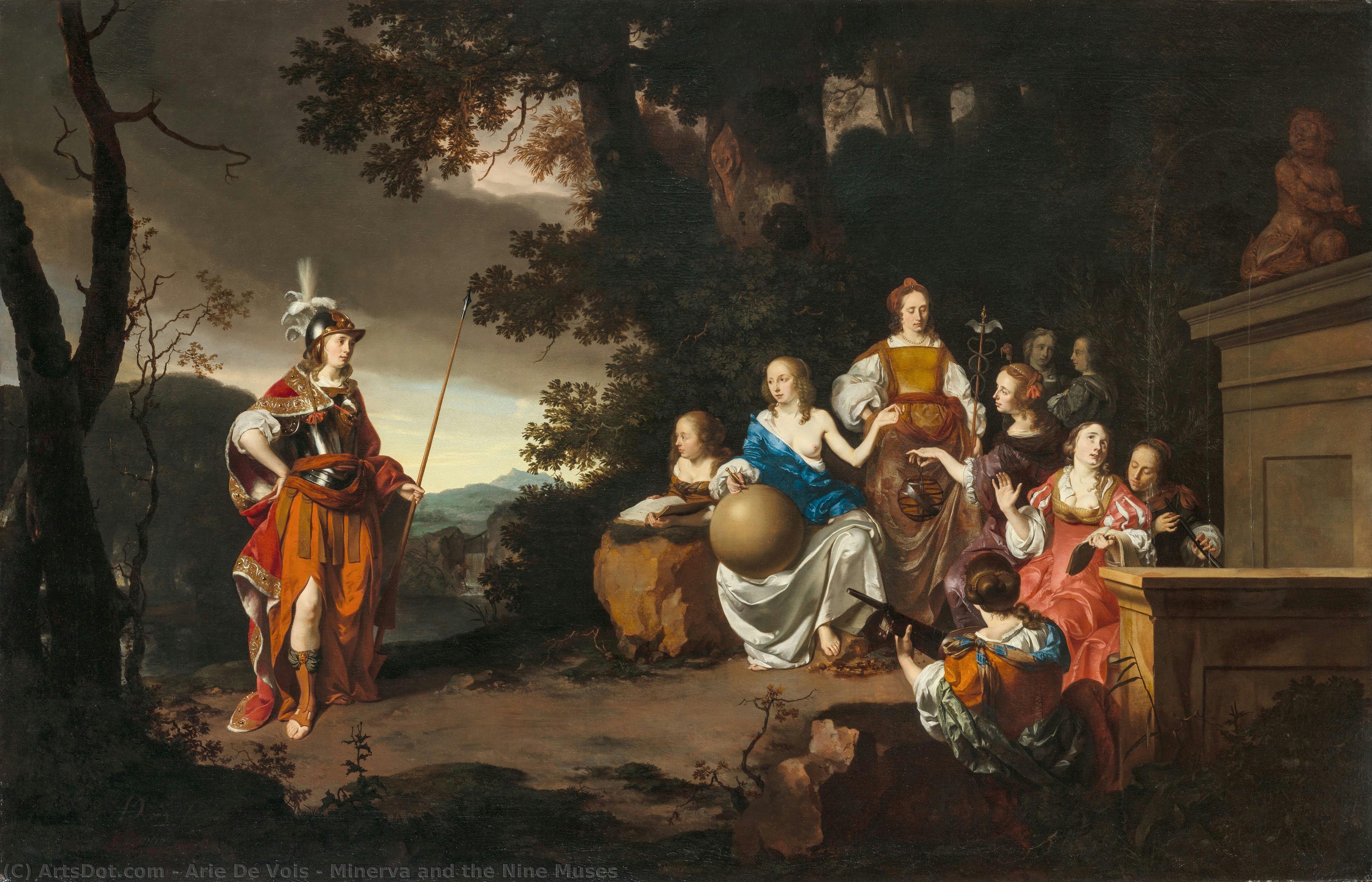
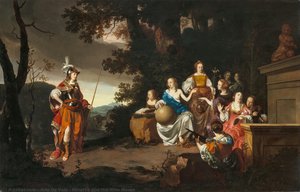
Minerva and the Nine Muses


 詳細を見る
詳細を見る




































作品のオリジナル比率に合わせた、当店の規定サイズからお選びください。

特定のフレームやスペースに合わせて、ご希望のサイズをご入力いただけます。選択されたサイズが元の画像の比率と異なる場合、アートワークをトリミングするか、手描きで要素を追加して絵画を拡張いたします。デジタルモックアップ を制作し、制作開始前にご確認(承認)をいただきます。
画面上のプレビューは、実際のトリミングや拡張を正確に反映しているものではありません。最終的な構図は、モックアップによってのみ正確にご確認いただけます。
カスタムサイズもご利用いただけますが、元の比率を維持するためには、あらかじめ用意されたリストからサイズを選択することをお勧めいたします。
ご注文後、ArtsDot.com チームより詳細な指示をお送りするとともに、仕上がりイメージ(モックアップ)をご提供いたします。


 ガラスオプションは、110cm未満のサイズでのみご利用いただけます。

Minerva and the Nine Muses
複製技法
複製画のサイズ
-


合計金額
$ 263
関連作品







アーティストの略歴
A Life Captured in Shadow and Light
The name Arie de Vois resonates within the annals of the Dutch Golden Age as a poignant symbol of artistic brilliance interrupted by the fragility of life. Born in Leiden around 1632, De Vois emerged during an era of unparalleled creative explosion, a time when the burgeoning merchant classes of the Netherlands sought to immortalize their status through the medium of oil and canvas. While his biographical timeline is marked by a certain tragic brevity, his presence in the art historical record remains indelible. As the son of Alewijn de Vois, an organist at the Pieterskerk in Leiden, he was raised amidst the profound musical and spiritual textures of his home city, a setting that likely nurtured his early sensitivity to atmosphere and rhythm.
Though some accounts suggest a life cut short in his youth, other historical records point to a more enduring, albeit complex, career that extended into the latter half of the 17th century. This duality adds a layer of mystery to his legacy, suggesting an artist whose influence may have lingered long after his initial period of activity. His journey through the artistic hubs of Utrecht and Leiden allowed him to absorb the very essence of Dutch mastery, weaving together the technical rigor of his mentors with a personal, serene elegance that would become his hallmark.
The Mastery of Influence and Technique
To understand the soul of De Vois’s work, one must look toward the giants upon whose shoulders he stood. His training was a tapestry of the finest instruction available in the Low Countries. In Utrecht, he became a pupil of Nikolaus Knüpfer, a master who also shared his classroom with the legendary Jan Steen. From Knüpfer, De Vois likely inherited a command over composition and the ability to imbue even the simplest subject with narrative weight. Upon returning to Leiden, his studies under Abraham van den Tempel further refined his aesthetic, steering him toward a more polished and sophisticated approach to portraiture.
The influence of Rembrandt Harmensz van Rijn is perhaps the most palpable thread in De Vois’s stylistic fabric. One can observe the echoes of the great master in De Vois’s meticulous use of chiaroscuro—that dramatic, breathing interplay between deep shadow and piercing light. However, where Rembrandt often embraced a rugged, textured spontaneity, De Vois moved toward a more restrained and tranquil palette. He favored muted tones of ochre, umber, and sienna, creating atmospheres of contemplative calm. His technique was not merely about the replication of form, but about the capture of a psychological state, using light to draw the viewer into the quiet, inner lives of his subjects.
Legacy of the Serene Portrait
The surviving works of Arie de Vois serve as intimate windows into the social and moral fabric of 17th-century Dutch life. His portraits were far more than mere documentation; they were carefully constructed statements of identity, character, and lineage. In pieces such as Jacob Dream, we encounter a profound sense of peace, where the subtle rendering of emotion suggests a subject lost in deep thought. Conversely, works like the Portrait of Hadriaan Beverland with a Prostitute demonstrate his ability to navigate much more complex and provocative psychological landscapes, utilizing juxtaposition to create tension and narrative intrigue.
De Vois’s significance lies in his ability to balance the formal requirements of the Dutch Guild of St. Luke—of which he was an active and esteemed member, even serving as dean—with a deeply personal artistic voice. His career, marked by both professional prestige and the quietude of his compositions, represents a vital branch of the Golden Age tradition. He remains a master of the understated, an artist who proved that the most profound human truths are often found not in grand gestures, but in the softest light falling across a face, or the silent gaze of a sitter caught in a moment of eternal reflection.
arie de vois
1632 - 1635 , Netherlands
基本情報
- Artistic Movement Or Style: Dutch Golden Age Art
- Date Of Birth: Leiden, Netherlands (1632)
- Full Name: Arie de Vois
- Nationality: Dutch
- Notable Artworks:
- Jacob Dream
- Portrait of Hadriaan Beverland with a Prostitute
- Place Of Birth: Leiden

