

 プレビュー
プレビュー
 プリントを購入
 シェアする
シェアする シェアする
シェアする
 詳細を見る
詳細を見る

 ダウンロード
 似ている作品
 X線調査
X線調査 スライドショー
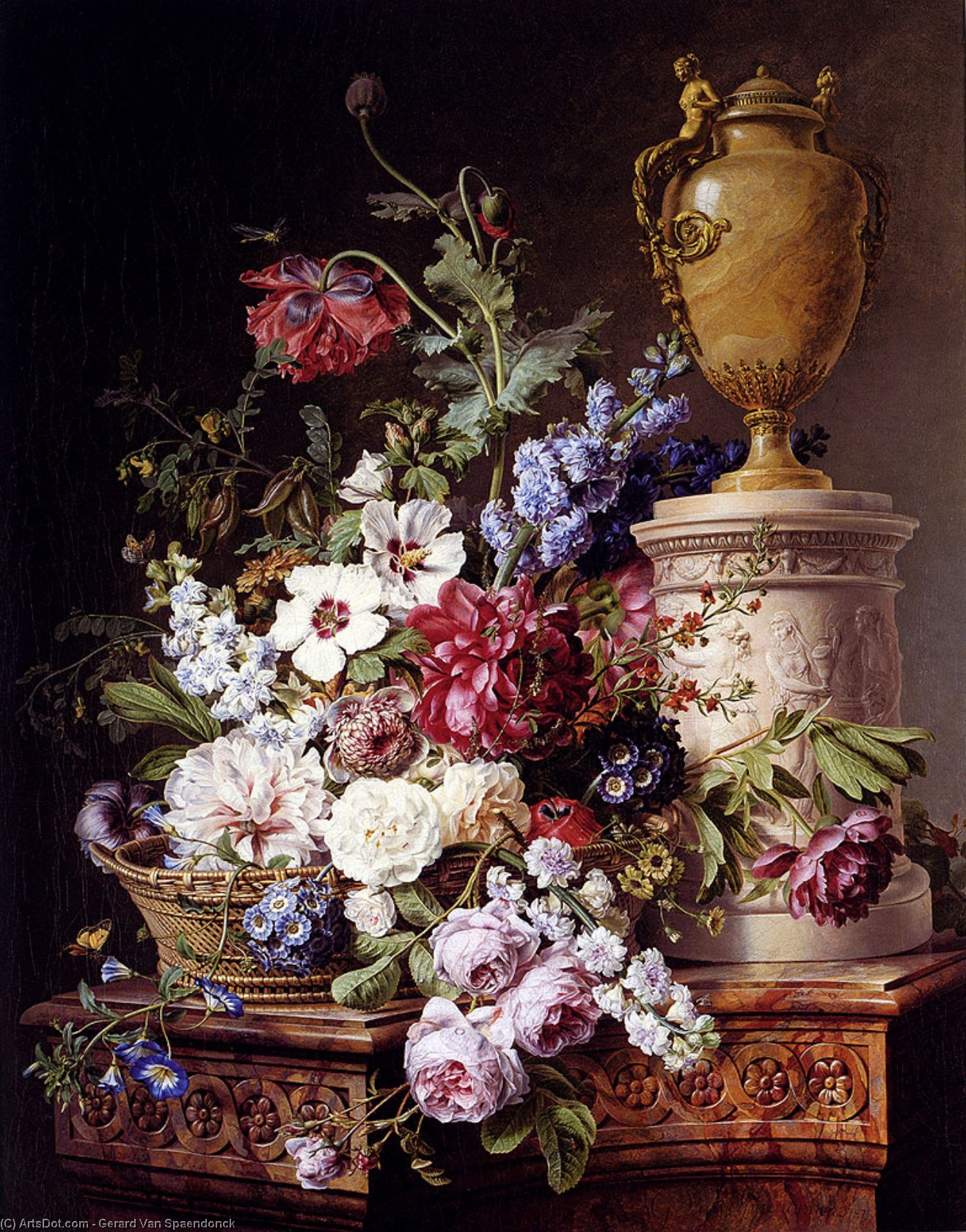
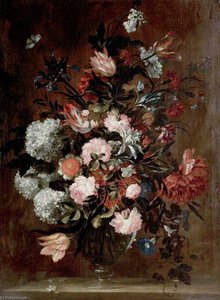
Still-life With Flowers And Insects On Marble Plinth
 詳細を見る
詳細を見る




































作品のオリジナル比率に合わせた、当店の規定サイズからお選びください。

特定のフレームやスペースに合わせて、ご希望のサイズをご入力いただけます。選択されたサイズが元の画像の比率と異なる場合、アートワークをトリミングするか、手描きで要素を追加して絵画を拡張いたします。デジタルモックアップ を制作し、制作開始前にご確認(承認)をいただきます。
画面上のプレビューは、実際のトリミングや拡張を正確に反映しているものではありません。最終的な構図は、モックアップによってのみ正確にご確認いただけます。
カスタムサイズもご利用いただけますが、元の比率を維持するためには、あらかじめ用意されたリストからサイズを選択することをお勧めいたします。
ご注文後、ArtsDot.com チームより詳細な指示をお送りするとともに、仕上がりイメージ(モックアップ)をご提供いたします。


 ガラスオプションは、110cm未満のサイズでのみご利用いただけます。

Still-life With Flowers And Insects On Marble Plinth
複製技法
複製画のサイズ
-


合計金額
$ 263
関連作品
アーティストの略歴
Gerard van Spaendonck: A Life in Bloom
Early Life and Education
- Born: 1746 in Tilburg, Netherlands.
- Van Spaendonck came from an artistic family; his younger brother, Cornelis van Spaendonck, also became a successful painter.
- In the 1760s, he began his formal training with decorative painter Willem Jacob Herreyns (also known as Guillaume-Jacques Herreyns) in Antwerp. This early exposure shaped his meticulous attention to detail and refined technique.
Move to Paris and Royal Appointment
- In 1769, Van Spaendonck relocated to Paris, a pivotal move that launched his international career.
- 1774: He was appointed as a miniature painter at the court of Louis XVI, marking a significant step in his recognition and patronage.
- This position allowed him access to aristocratic circles and further refined his skills in delicate floral depictions.
Professor at Jardin des Plantes & Académie Membership
- 1780: Van Spaendonck succeeded Madeleine Françoise Basseporte as professor of floral painting at the prestigious Jardin des Plantes.
- Shortly after, he was elected a member of the Académie des Beaux-Arts, solidifying his status within the French art establishment.
- He became an influential teacher, mentoring notable artists like Pierre-Joseph Redouté and Henriette Vincent.
Artistic Style & Major Works
- Van Spaendonck excelled in both oil painting and watercolor techniques.
- He contributed over fifty works to Les Vélins du Roi, a renowned collection of botanical watercolors commissioned by the French royal family. These pieces demonstrate his exceptional skill in capturing the nuances of floral forms.
- Fleurs Dessinees d'apres Nature (Flowers Drawn from Life): Published between 1799 and 1801, this series of twenty-four engraved plates served as a valuable resource for students of floral painting. It remains a highly treasured book on the subject today.
- His paintings often feature intricate details of flowers alongside insects, adding another layer of naturalism to his compositions.
Recognition and Legacy
- 1788: Appointed as an advisor to the Académie.
- 1795: Became a founding member of the Institut de France.
- 1804: Received the Légion d'honneur and was ennobled by Napoleon Bonaparte, acknowledging his contributions to French art and culture.
- Van Spaendonck died in Paris in 1822 and is buried in Père Lachaise Cemetery.
- Historical Significance: Gerard van Spaendonck’s meticulous botanical illustrations and refined floral paintings played a crucial role in the development of botanical art. His work bridged the gap between scientific accuracy and artistic beauty, influencing generations of artists and botanists alike.
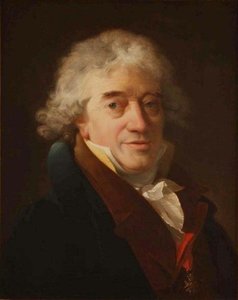
Gerard van Spaendonck
1746 - 1822 , Netherlands
基本情報
- Birth Date: 1746
- Birth Place: Tilburg, Netherlands
- Death Date: 1822
- Influenced:
- Pierre-Joseph Redouté
- Henriette Vincent
- Influenced By: Willem Jacob Herreyns
- Movement: Floral painting, Botanical art
- Name: Gerard van Spaendonck
- Nationality: Dutch
- Notable Works: Fleurs Dessinees d'apres Nature

