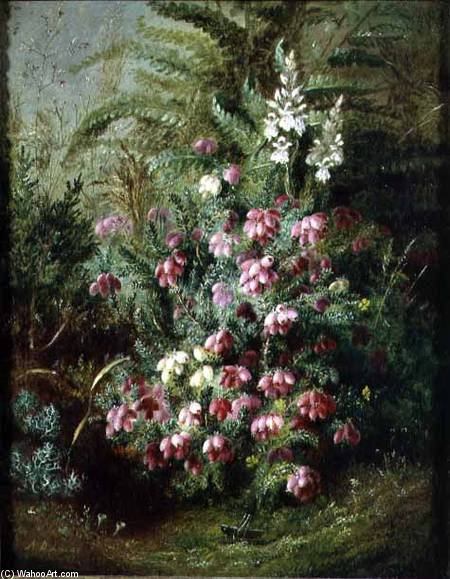
Experience Albrecht Dürer’s serene masterpiece, Grasshopper And Heather, a meticulously detailed still life painting showcasing realistic botanical forms and delicate flower arrangements characteristic of the German Renaissance period – discover or own this stunning reproduction.
A Study in Botanical Precision: Albrecht Dürer's "Grasshopper And Heather"
Albrecht Dürer’s “Grasshopper And Heather” presents a captivating meditation on the natural world, rendered with an almost obsessive attention to detail that defines his artistic legacy. This meticulously crafted still life, devoid of any overt narrative or symbolic gesture beyond its profound engagement with botanical realism, offers a window into the artist's deeply considered approach to observation and representation. The painting’s serene mood, achieved through a masterful manipulation of light and shadow, invites the viewer into a quiet moment of contemplation – a snapshot of tranquility captured within the confines of the canvas.
Technical Mastery and Dürer’s Method
- Realism Elevated: Dürer's technique is characterized by an unparalleled level of realism. Each petal, leaf, and stem is rendered with painstaking accuracy, demonstrating his mastery of linear perspective and shading – a cornerstone of the Northern Renaissance style. The meticulous detail extends to the subtle variations in texture, creating a tactile quality that draws the eye across the composition.
- Layered Glazes: Evidence suggests Dürer employed a layering technique using thin glazes of oil paint, allowing for nuanced color transitions and a luminous effect. This method, perfected over years of experimentation, was crucial to achieving the painting’s rich depth and atmospheric perspective.
- Compositional Balance: The arrangement of the flowers and foliage is carefully balanced, creating a harmonious composition that guides the viewer's eye through the scene. The dark background serves not merely as a backdrop but actively enhances the vibrancy of the floral elements, intensifying their impact.
Historical Context and Renaissance Ideals
Dürer’s work emerged during a pivotal moment in European art history – the High Renaissance. While influenced by Italian masters like Leonardo da Vinci and Botticelli, Dürer developed a distinctly German style that emphasized intellectual rigor and a profound understanding of natural forms. The painting reflects the Renaissance humanist interest in observing and documenting the world around us, moving away from purely religious iconography towards more secular subjects. Dürer’s dedication to scientific observation, exemplified by his detailed botanical studies, aligns perfectly with this burgeoning intellectual movement.
Symbolism of Nature – A Quiet Reverie
Though lacking overt symbolic meaning, the inclusion of elements like flowers and foliage speaks volumes about Dürer’s worldview. These natural subjects were not simply depicted for their aesthetic beauty; they represented a connection to the divine order of the universe. The delicate pink flowers, particularly, evoke notions of fragility, beauty, and fleeting moments – themes frequently explored in Renaissance art. The presence of ferns and grasses further reinforces this connection to the earth, grounding the composition within the natural world.
This hand-painted reproduction offers a unique opportunity to experience the profound artistry and technical brilliance of Albrecht Dürer’s “Grasshopper And Heather.” Its timeless beauty and meticulous detail make it an ideal addition to any art collection or a striking focal point for interior design, transporting viewers into the serene world of this masterful Renaissance artist.