アルブレヒト・デューラーは、ドイツのルネサンスを代表する画家・版画家。自画像や「メランコリアI」など、緻密な描写と象徴性豊かな作品で知られ、北ヨーロッパ美術に革新をもたらしました。
ベルリンのクプファシュティッヒカビネットで、ドゥーラーやレンブラントなどの名作を含む数世紀にわたる版画と素描の世界を探索!美術館島にある活気ある芸術博物館でドイツの文化遺産を発見しましょう。
ドイツ
ベルリン
クプファシュティッヒカビネット
ルネサンス期の版画
50万点以上の版画
版画と素描
1831
古代ローマの彫刻
1
クプファシュティッヒカビネット博物館の主な焦点は何ですか?
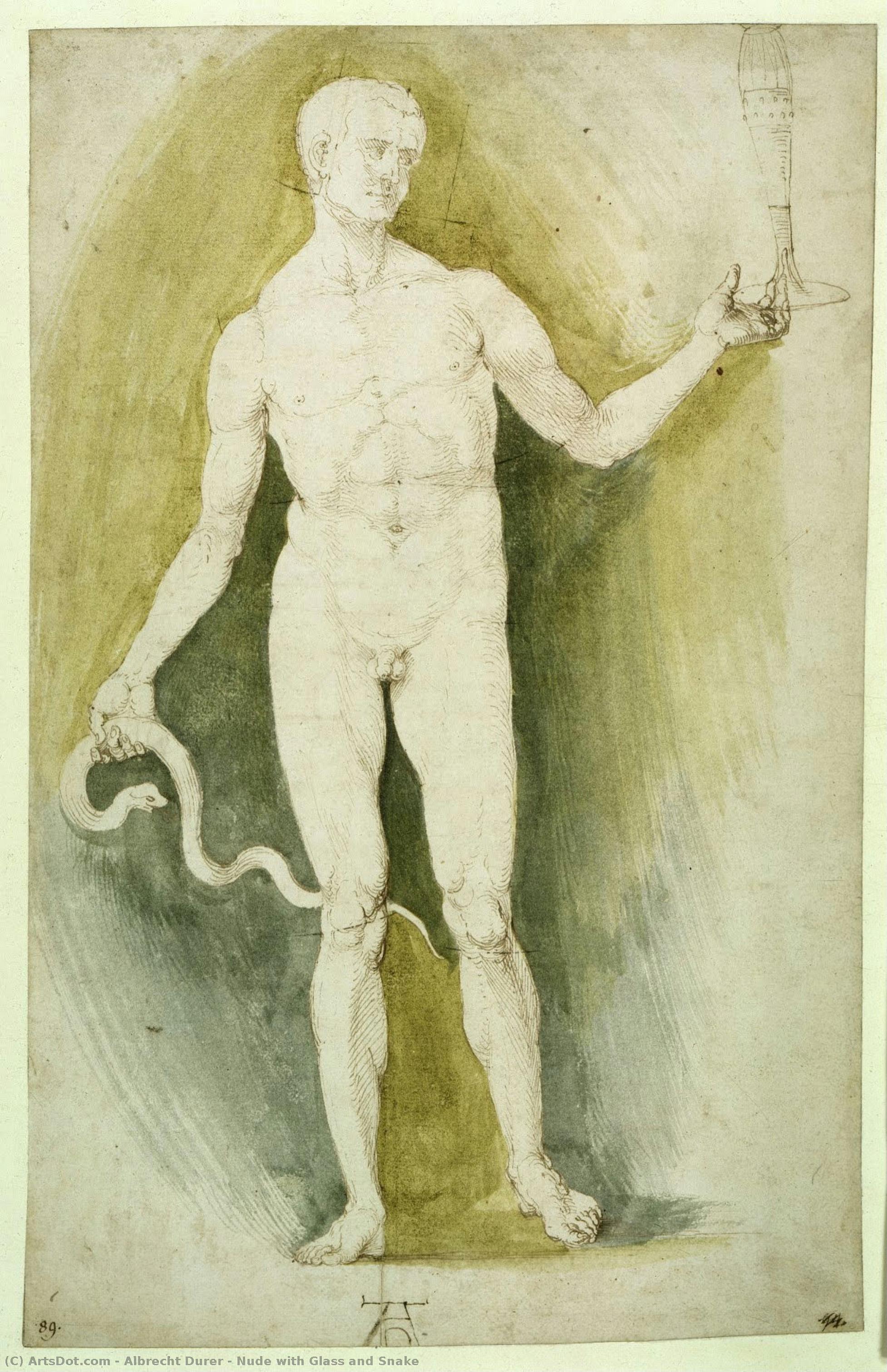
A Study in Precision: Albrecht Dürer’s “Nude with Glass and Snake”
Albrecht Dürer's "Nude with Glass and Snake," created around 1500, stands as a testament to the burgeoning humanist spirit of the German Renaissance—a moment where artists wrestled with anatomical understanding alongside philosophical contemplation. Unlike many of his contemporaries who favored idealized depictions of beauty, Dürer approached the nude figure not merely as an aesthetic subject but as a vehicle for exploring fundamental principles governing human form. This drawing isn’t simply a beautiful image; it's a meticulously crafted intellectual exercise, reflecting Dürer’s profound fascination with dissecting and reconstructing the human body.
The Anatomical Quest: Observation and Calculation
Dürer’s artistic process was driven by an unprecedented desire to comprehend the underlying laws of anatomy. He painstakingly studied the human form through direct observation—a radical departure from prevailing artistic conventions—and supplemented his visual studies with geometric constructions. The drawing itself is riddled with compass incisions and construction lines, visible against a subtle backlight – evidence of Dürer’s methodical approach. These marks aren't accidental; they represent deliberate calculations aimed at achieving perfect proportions and capturing the essence of human musculature. This dedication to accuracy distinguishes “Nude with Glass and Snake” from much earlier art, signaling a significant shift toward scientific inquiry within artistic practice.
Symbolism Beneath the Surface: Glass and Serpent
Beyond its anatomical precision lies a rich tapestry of symbolism. The inclusion of glass—a material prized for its transparency—represents clarity of thought and perception. It’s juxtaposed with a serpent, an ancient emblem associated with wisdom, temptation, and rebirth. While Dürer deliberately avoided assigning definitive meanings to these elements, they contribute to the drawing's contemplative mood and invite viewers to ponder themes of vulnerability, knowledge, and transformation. The snake’s coiled posture subtly echoes classical depictions of Asclepius, the Greek god of healing—suggesting a connection between physical well-being and spiritual enlightenment.
Technique: Drypoint Etching – A Delicate Balance
Dürer employed drypoint etching, a technique that allowed for unparalleled tonal subtlety and textural nuance. This method involves scratching lines into a copper plate with a needle, creating tiny pits that hold ink during the printing process. Unlike mezzotint, which relies on shading through multiple layers of burnishing, drypoint produces images characterized by rich blacks and delicate highlights—a masterful demonstration of artistic skill. The careful application of green and blue ink further enhances the drawing’s visual impact, emphasizing the figure's contours while adding a touch of atmospheric depth.
A Legacy of Innovation: Influence Beyond Its Time
“Nude with Glass and Snake” transcends its formal qualities to become an emblem of Renaissance intellectual ambition. It profoundly influenced subsequent generations of artists who sought to elevate art beyond mere decoration—inspiring them to explore the intersection of observation, calculation, and symbolism. Today, a high-quality reproduction offers viewers a glimpse into Dürer’s groundbreaking vision, allowing them to appreciate not only its aesthetic beauty but also its enduring significance as a cornerstone of Western artistic heritage.