Alessandro Turchi’s Dramatic Vision of Judith and Holofernes
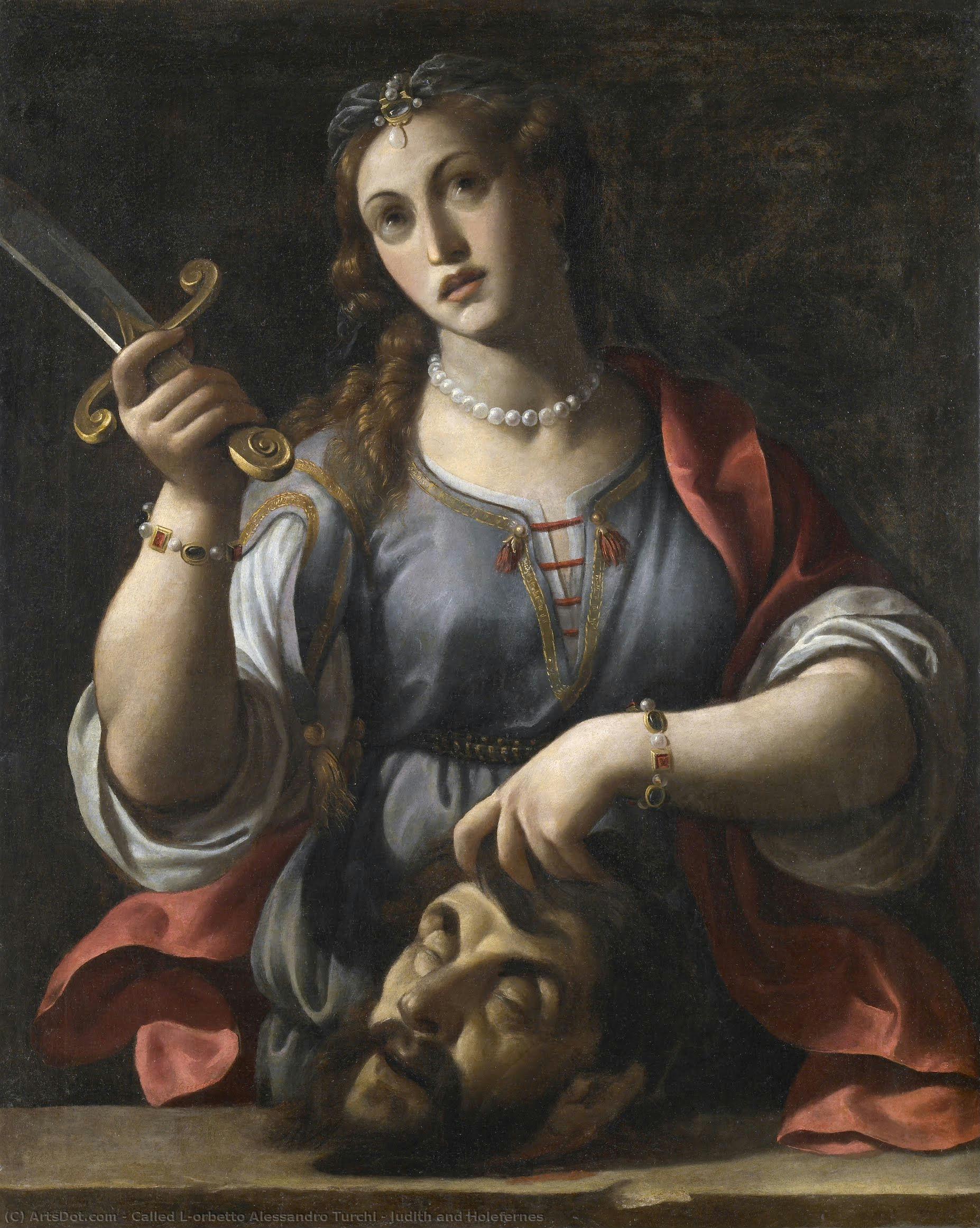
Judith and Holofernes by Alessandro Turchi stands as a testament to the fervor of the Roman Baroque, capturing a moment fraught with psychological intensity and masterful artistic execution. Painted circa 1605, this monumental oil on canvas depicts the biblical tale of Judith—a Jewish heroine who bravely seduced Holofernes, Assyrian king, and decapitated him after securing his army’s retreat from Jerusalem. More than just a retelling of scripture, Turchi's work delves into themes of courage, retribution, and divine judgment, rendered with breathtaking precision and emotional resonance.
- Subject Matter: The artwork centers on the gruesome yet heroic act of Judith slaying Holofernes—a narrative steeped in Jewish tradition and symbolizing resistance against oppression.
- Style: Turchi’s style firmly anchors itself within the Baroque aesthetic, prioritizing dramatic lighting (chiaroscuro) and expressive emotion over idealized beauty. This approach aligns perfectly with the artistic sensibilities of Rome during its golden age.
- Technique: The artist employs a layered oil painting technique—a hallmark of Baroque art—to build up texture and create depth. Careful brushstrokes convey palpable physicality, emphasizing the gruesome details of Holofernes’s demise while simultaneously conveying Judith's unwavering resolve.
The composition is dominated by Judith, positioned centrally against a dark, indistinct background that amplifies the impact of her figure. Her posture exudes authority and determination—she holds aloft Holofernes’s severed head with chilling composure. The artist meticulously renders her clothing in opulent fabrics – a white blouse adorned with crimson trim, layered beneath a flowing blue garment—further enhancing the visual drama. Jewelry, including a pearl necklace and bracelets, adds to the grandeur of the scene.
Symbolism: Beyond its narrative depiction, Judith and Holofernes is laden with symbolic significance. The decapitated head represents defeat and mortality, serving as a stark reminder of Holofernes’s downfall. Simultaneously, Judith embodies courage and righteousness—a figure who defies convention to achieve victory through cunning and bravery. Her gaze directs the viewer's attention toward the gruesome act itself, prompting contemplation on themes of justice and divine retribution.
Historical Context: Turchi’s painting emerged during a period marked by artistic innovation and religious fervor in Rome—the High Baroque. Artists like Caravaggio had revolutionized painting with their dramatic use of light and shadow, influencing subsequent generations of painters. Judith and Holofernes exemplifies this trend, reflecting the Baroque preoccupation with portraying human emotion and conveying moral lessons through visual storytelling. It’s a powerful illustration of the era's artistic spirit—a desire to inspire awe and provoke reflection on profound spiritual truths.
- Materials: Primarily oil paints applied onto canvas.
- Size: Unknown
- Provenance: Currently housed in the Pinacoteca Tosio Martinengo, Brescia.
The artwork’s enduring appeal lies not only in its masterful technique but also in its ability to evoke visceral emotion—a chilling reminder of human vulnerability confronted by unwavering fortitude. Alessandro Turchi's Judith and Holofernes remains a captivating masterpiece, embodying the grandeur and psychological depth that define the pinnacle of Baroque art.