Explore the art of Ali Quli Istajlu (1551-1605), a pivotal figure in Mughal painting. Discover his vibrant miniatures blending Persian, Turkoman & Indian styles. Known for portraits and contributions to the Shahnameh.
アメリカ合衆国カンザスシティで感動体験!世界美術コレクションと美しい建築が魅力のノエル・アトキンズ美術館は、入場無料です。芸術への情熱を育む場所。
アメリカ合衆国カンザスシティで感動体験!世界美術コレクションと美しい建築が魅力のノエル・アトキンズ美術館は、入場無料です。芸術への情熱を育む場所。
ノエル・アトキンズ美術館 カンザスシティ 美術館 アジア美術 コロンビア大学美術館 モーマ 美術館
ノエル・アトキンズ美術館 カンザスシティ 美術館
アメリカ合衆国
フレッド・リヒトマン
カンザスシティ
ノエル・アトキンズ美術館
イタリア絵画
34,500点以上
美術館
1933
イタリア絵画
1
ノエル・アトキンズ美術館で特に有名なコレクションは?
A Glimpse into Mughal Courtly Life
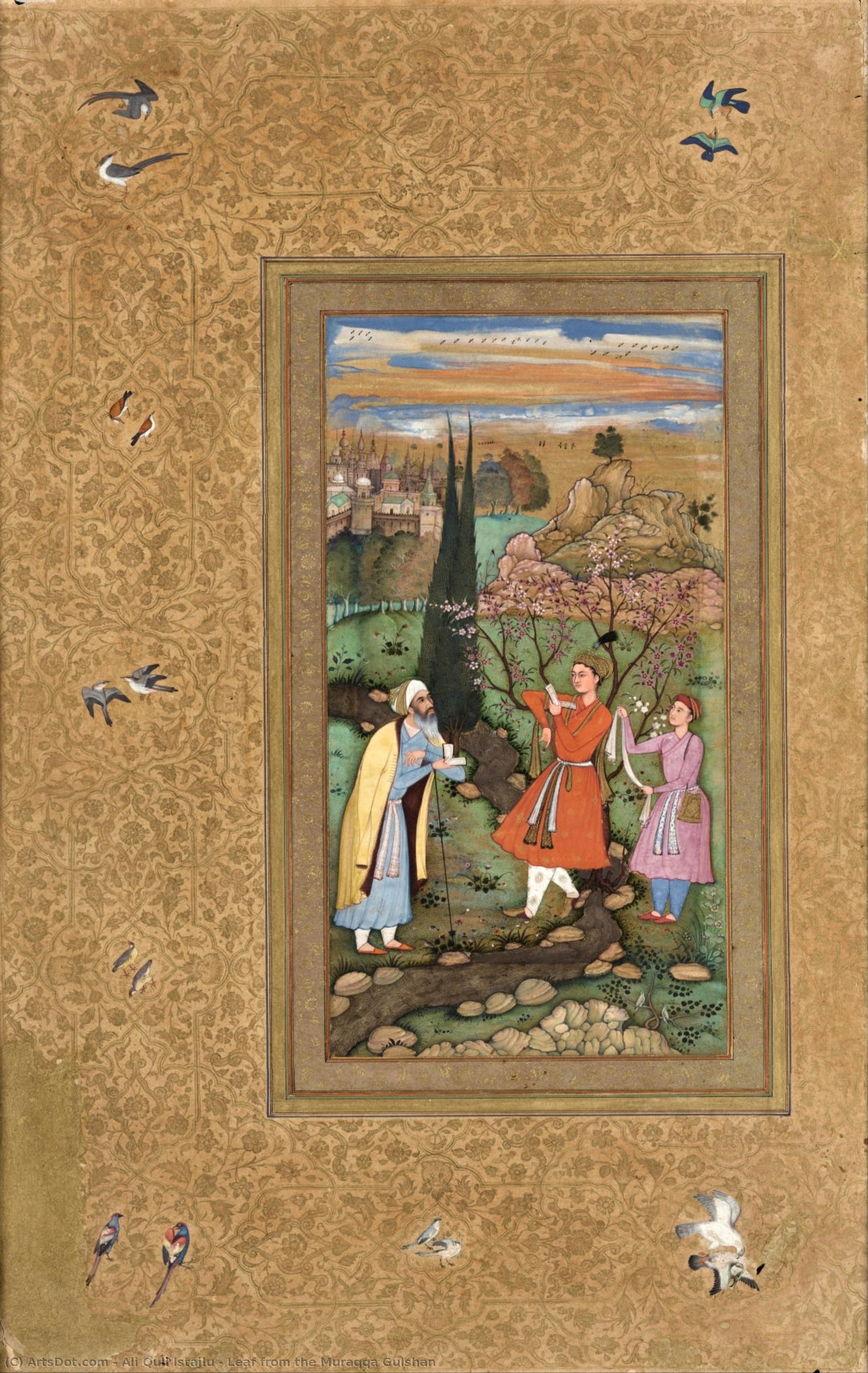
This exquisite folio, titled Leaf from the Muraqqa Gulshan, transports us directly into the opulent and intellectually vibrant world of Emperor Jahangir's court in the late 16th century. It is more than just a painting; it is a meticulously preserved moment of scholarly discourse set against a backdrop of idealized natural beauty. The scene captures three figures—a young Mughal prince, his attendant, and a distinguished Persian Sufi poet or scholar—engaged in deep conversation. Their attire, the distinct turbans, and the flowing chola worn by the scholar speak volumes about the cultural confluence that defined the Mughal era, where Persian refinement met indigenous Indian artistry.
Mastery of Technique and Naturalism
The technical brilliance displayed here is breathtaking. The naturalism achieved by the court artists is palpable; every fold of fabric, every gesture, seems imbued with life. Observe the delicate rendering of the setting: a babbling brook whispers across the foreground, while beneath a flowering tree, nature provides its gentle stage. Adding to this sense of vibrant life are the scattered birds—some perched, others taking flight—which lend an unparalleled depth and movement to the composition. The background further expands the narrative scope, juxtaposing serene Persian-style rock formations with a hint of European-inspired cityscape silhouetted against a vivid, late-afternoon sky. This masterful blending of local flora, exotic architecture, and dynamic wildlife showcases the apex of Mughal decorative arts.
The Interplay of Art Forms: Painting and Calligraphy
What elevates this piece to an object of profound historical significance is its format as part of an Imperial Mughal album. Historically, calligraphy was considered the zenith of art in Islamic cultures, treated with the reverence usually reserved for painting. The inclusion of beautifully rendered poetry—a translation from Faqir ‘Ali speaks of enduring affection—demonstrates how paintings and written word were inseparable companions. These albums served not merely as collections of pretty pictures, but as curated repositories of culture, knowledge, and devotion, where the calligrapher’s signature was as recognized as a master painter's.
Symbolism and Emotional Resonance
The gathering itself suggests a confluence of learning and spiritual pursuit. The open books held by the scholars are potent symbols of wisdom and dialogue, suggesting that true enlightenment is found through conversation and study. The poem quoted speaks to an enduring, deep-rooted connection—a metaphor for love or devotion that time cannot erode. For the modern collector or designer, this piece offers more than mere decoration; it offers a window into an era where intellectual life was celebrated with such lavish artistry. Reproducing this work allows one to bring home not just pigment on paper, but the very spirit of Mughal contemplation and refined human connection.