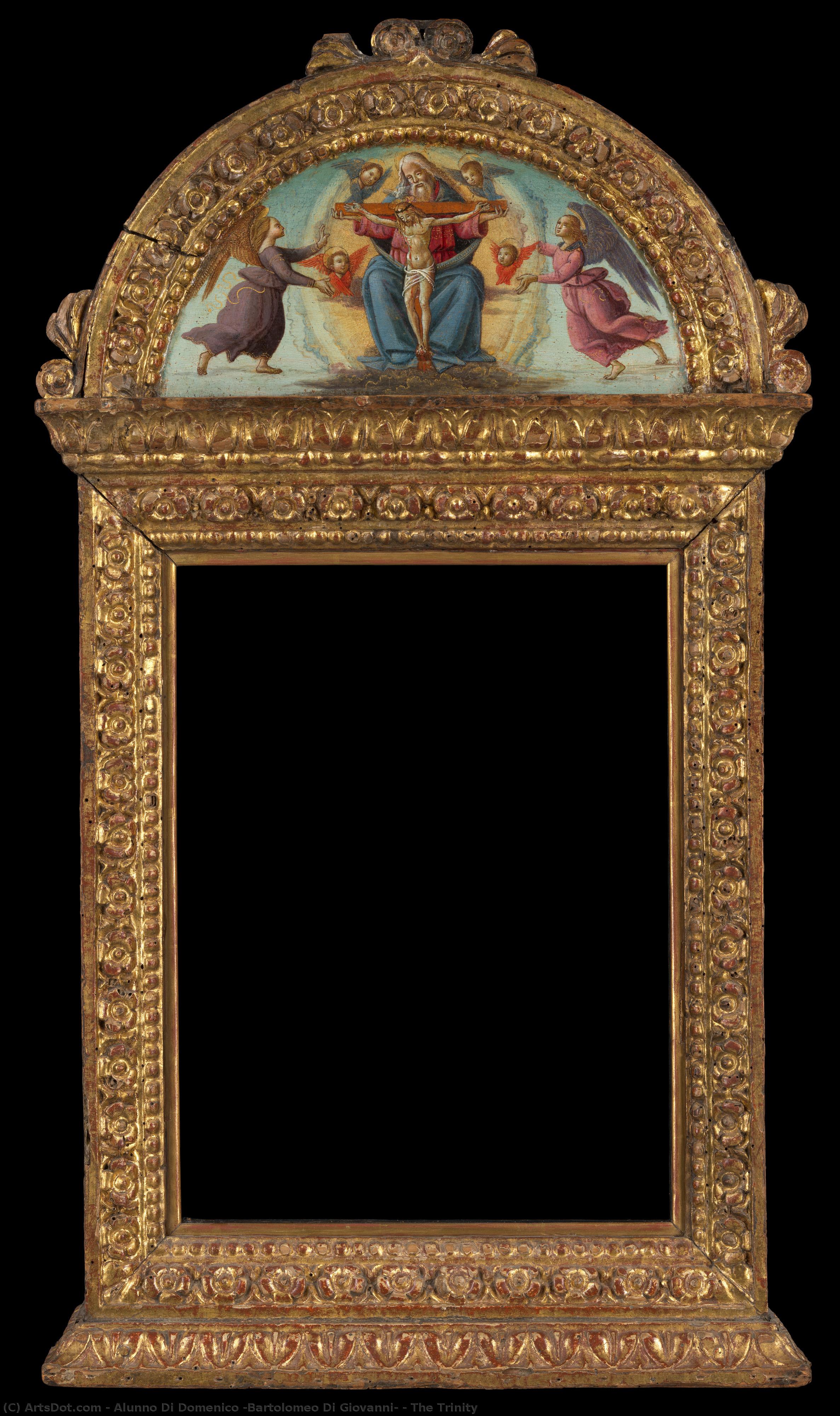
Magnificent Renaissance panel by alunno di domenico (Bartolomeo di Giovanni). Admire this exquisite 'The Trinity' depicting Mary & Christ, framed by a detailed 1502 carving.
15世紀のフィレンツェの画家、アルンノ・ディ・ドメニコ(バルトロメオ・ディ・ジョヴァンニ)は、プレデッラ画や『聖ヨハネの生涯』などの宗教画で知られています。彼の芸術作品をぜひご覧ください!
メトロポリタン美術館
(New York, United States of America)
5千年の芸術と文化を体験!メトロポリタン美術館で、古代エジプトの遺産からルネサンス絵画まで、世界中の至宝を発見。ニューヨークの象徴的な美術館へ。
(229文字)
A Silent Student's Legacy: Bartolomeo di Giovanni’s ‘The Trinity’
Magnificent Renaissance panel by alunno di domenico (Bartolomeo di Giovanni). Admire this exquisite 'The Trinity' depicting Mary & Christ, framed by a detailed 1502 carving. This captivating artwork offers a glimpse into the artistic milieu of Florence during its golden age and showcases the subtle influence of Domenico Ghirlandaio on his student’s oeuvre. The piece is more than just a visual representation; it embodies the spirit of humanist contemplation and devotional piety characteristic of the period.
Subject Matter & Narrative Depth
The painting portrays Saint Jerome, depicted in his cell near Bethlehem, surrounded by his brethren. Above him rests a serene tableau: two juniper branches symbolizing purity and resurrection, palms representing victory over death, a crucifix embodying Christ’s sacrifice, and Jerome's cardinal’s hat signifying ecclesiastical authority. This composition draws directly from Eusebius’s *De Morte Hieronymi ad Damasum*, highlighting the theological significance of Saint Jerome’s life and martyrdom – a subject frequently explored by Humanist artists seeking to elevate moral contemplation. Interestingly, speculation suggests that Pugliese's patronage may have been influenced by Savonarola’s fervor, reflecting broader societal anxieties about religious morality during this transformative era.
Style & Technique: Renaissance Refinement
Bartolomeo di Giovanni’s masterful execution exemplifies the refined aesthetic sensibilities of the early 1490s Florentine workshop. The painting utilizes oil paint on wood, demonstrating a meticulous attention to detail and achieving remarkable luminosity—a hallmark of Renaissance artistic practice. Observe the smooth surface texture achieved through careful carving and polishing, complemented by the delicate layering of colors that imbues the scene with depth and vibrancy. The artist’s skill is further evidenced in the precise rendering of drapery folds and facial expressions, conveying a palpable sense of solemn reverence.
Symbolism & Decorative Framing
Beyond its narrative content, ‘The Trinity’ is replete with symbolic emblems resonating with Christian iconography. The juniper branches and palms serve as visual reminders of spiritual renewal and triumph over mortality—themes central to Renaissance humanist thought. Furthermore, the ornate frame crafted by Bartolomeo di Giovanni's collaborator, Bartolomeo di Giovanni (active 1480, died 1501), adds another layer of artistic sophistication. The lunette painting within the frame – a copy of this masterpiece – underscores the importance of craftsmanship and artistic continuity within Florentine art circles.
Concluding Impression: Reverence & Artistic Influence
‘The Trinity’ stands as a testament to Bartolomeo di Giovanni's dedication to mastering the techniques of his mentor, Domenico Ghirlandaio, while forging his own distinctive artistic voice. Its serene beauty and profound theological message continue to inspire viewers today—a legacy secured by this enduring symbol of faith and humanist contemplation. This exceptional reproduction captures the essence of Renaissance art, offering a captivating glimpse into Florentine culture during its apex.