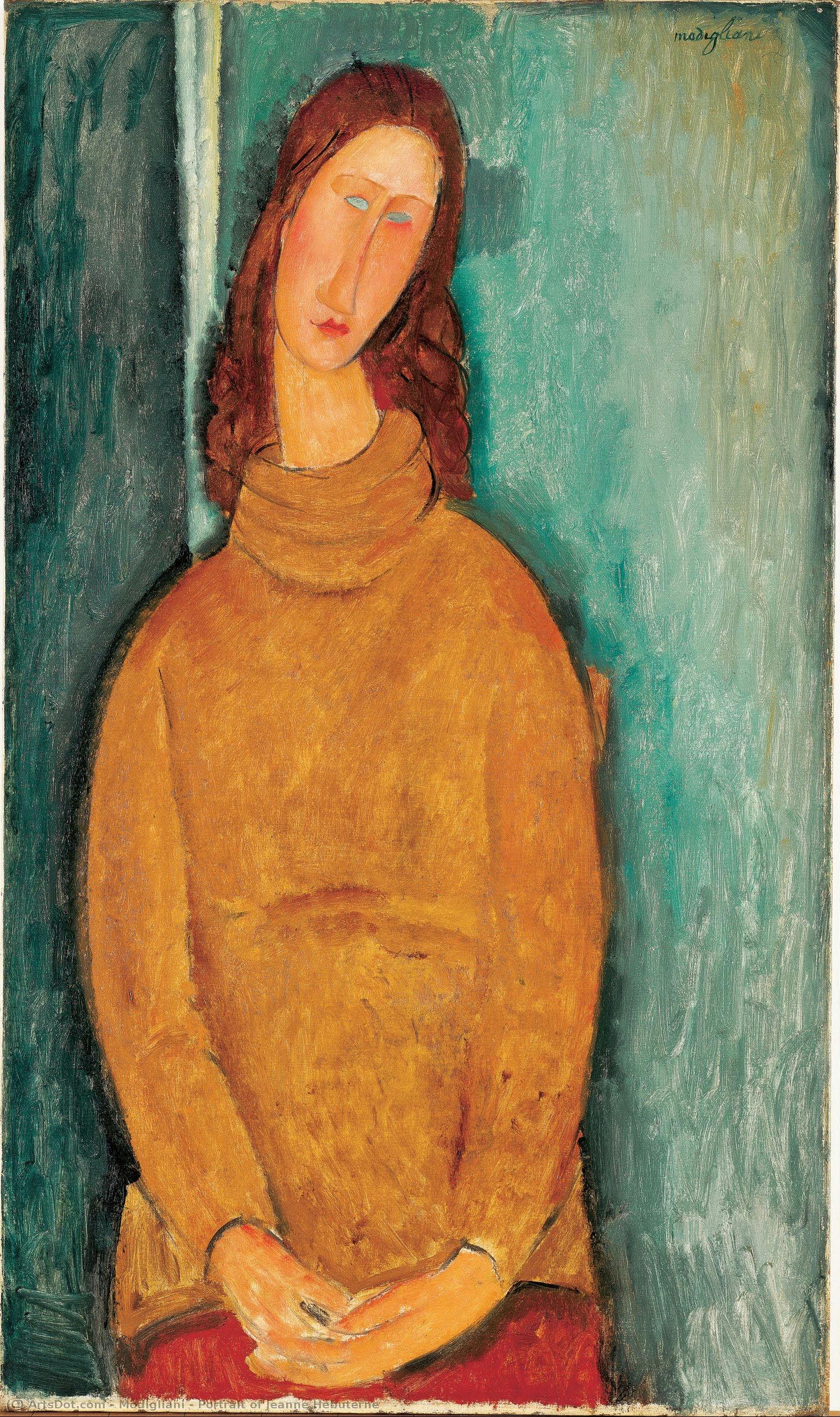
This portrait exemplifies Modigliani’s distinctive aesthetic: elongated figures rendered with simplified geometric shapes against muted earth tones. The serene pose and expressive line work convey vulnerability and introspection, aligning with Expressionist influences.
モディリアニの魅惑的な世界へ。長く首が特徴的で、憂いを帯びた表情が印象的な肖像画やヌード彫刻は、20世紀美術を代表する作品として知られています。アール・ドゥ・パリを彩った芸術家、その生涯と作品に迫ります。
日本・倉敷の美術館。西洋美術と日本の工芸が融合する場所。モネ、ピカソなどの名画から、伝統的な日本の美意識まで、文化交流の歴史を体感できます。
Portrait of Jeanne Hébuterne: A Study in Quiet Elegance
Amedeo Modigliani’s “Portrait of Jeanne Hébuterne,” painted in 1919, transcends mere representation; it embodies a profound exploration of melancholy and vulnerability—qualities that define the artist's oeuvre and resonate powerfully with viewers today. This striking depiction captures Jeanne Hébuterne, Modigliani’s muse and lover, seated against a subtly textured background that serves as a foil to her luminous presence. The painting exemplifies Modigliani’s signature style – characterized by elongated figures, simplified forms, and an expressive use of line – firmly establishing its place within the broader artistic landscape of early Modernism.
Composition and Technique: Simplifying Form for Emotional Resonance
The artist meticulously crafts a composition that prioritizes visual impact through careful arrangement. Centering Hébuterne’s figure creates symmetry while simultaneously directing the eye towards her face, which dominates the canvas. Modigliani employs a technique rooted in geometric abstraction; large rectangular planes define the background, minimizing spatial depth and intensifying focus on the subject's countenance. Brushstrokes are deliberately restrained, creating a flattened aesthetic that underscores the painting’s emotional core rather than striving for photographic realism. The use of oil paints lends itself to layering colors and blending them seamlessly, resulting in a surface texture that is subtly luminous and contributes to the overall sense of stillness.
Stylistic Influences: Expressionism's Embrace of Emotion
Modigliani’s artistic vision draws inspiration from movements like Expressionism and Cubism, albeit filtered through his unique lens. Like Expressionists, he prioritizes conveying emotion over objective observation—a principle evident in Hébuterne’s gaze, which conveys a palpable sadness. However, unlike Cubist fragmentation, Modigliani maintains a harmonious balance between form and line, resulting in an image that is both stylized and emotionally evocative. The elongated neck – a hallmark of his style – becomes a visual metaphor for fragility and introspection, mirroring the sitter's inner state.
Color Palette and Symbolism: Earth Tones Against Cool Blues
The color palette skillfully employs contrasting hues to heighten emotional impact. Warm earth tones—ochre, red, and brown—are prominent in Hébuterne’s clothing and hair, symbolizing warmth and vitality juxtaposed against the coolness of blues and greens dominating the background. These colors evoke a sense of serenity yet simultaneously hint at underlying sorrow. The deliberate choice of muted shades reinforces the painting's contemplative mood and underscores its symbolic significance – capturing not just a likeness but also an essence of emotion.
Legacy and Emotional Impact: A Timeless Portrait
“Portrait of Jeanne Hébuterne” remains a testament to Modigliani’s ability to distill complex feelings into deceptively simple visual elements. Its enduring appeal lies in its capacity to elicit empathy and contemplation, prompting viewers to consider themes of beauty, loss, and vulnerability. As an exceptional reproduction offered by ArtsDot.com, this artwork invites collectors and interior designers alike to experience the profound emotional resonance captured within Modigliani’s masterful brushstrokes—a timeless portrait that continues to captivate audiences worldwide.