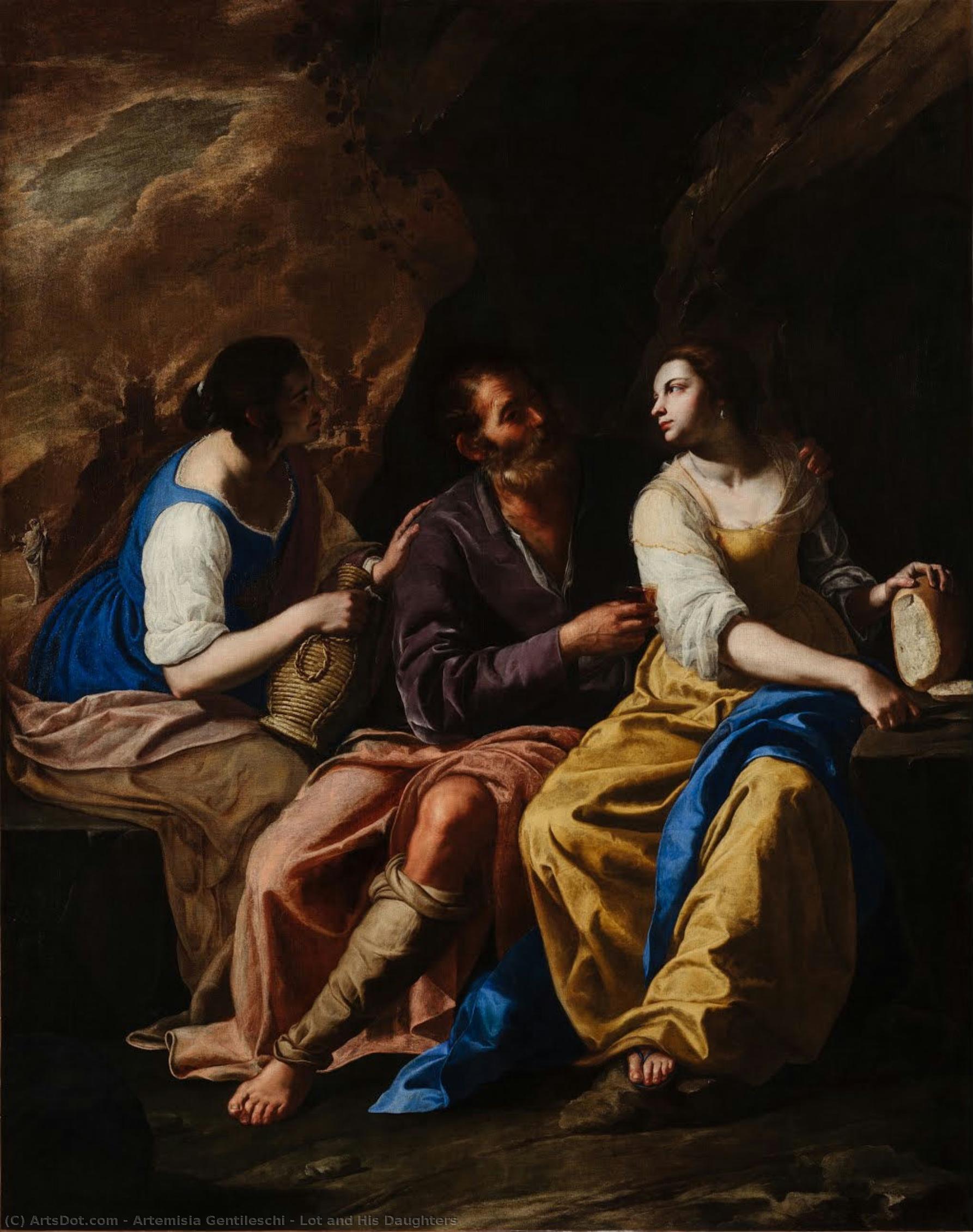
Explore Artemisia Gentileschi’s masterpiece ‘Lot and His Daughters,’ a captivating black and white biblical scene showcasing dramatic realism and psychological depth. Admire the artist's skillful composition and enduring legacy.
17世紀バロック絵画の巨匠、アルテミシア・ジェンティレスキ。大胆な構図と力強い女性像で知られ、「ユディトとホロフェルネス」などの傑作は、ドラマティックなリアリズムと女性のエンパワーメントを表現。
世界一流の美術館で、ガラスコレクション、ヨーロッパ名画、モダンアートを鑑賞!入館無料。今日すぐ計画しましょう!
(Sekai ichiryuu no bijutsukan de, garasu korekushon, Europa meiga, modan aato o kanshou! Nyukan muryou. Kyou sugu keikaku shimashou!)
A Testament to Female Strength: Exploring Artemisia Gentileschi’s Lot and His Daughters
Artemisia Gentileschi stands as a singular figure in the annals of Baroque art, not merely for her prodigious talent but for her defiant spirit—a woman who carved out a space within a male-dominated artistic landscape and achieved enduring renown. Born into Rome’s vibrant artistic milieu in 1593, Artemisia benefited from the unwavering support of her father, Orazio Gentileschi, a painter deeply influenced by Caravaggio's revolutionary approach to realism. This familial encouragement fostered an unparalleled opportunity for her formative years—access to training and patronage rarely afforded to women during that era—allowing her to absorb techniques of composition and dramatic lighting that would become hallmarks of her distinctive oeuvre. More than just mastering brushstrokes, Artemisia immersed herself in a world brimming with artistic ambition, one traditionally reserved for men.
The Biblical Narrative Illuminated
The painting depicts the biblical tale of Lot and his daughters—a story rife with moral complexities concerning obedience to divine law and the consequences of transgression. According to Genesis, God warns Lot about Sodom’s impending destruction due to its wickedness, urging him to flee the city alongside his family. However, Lot's wife tragically defied God’s command, turning back to gaze upon the inferno consuming Sodom, resulting in her transformation into a pillar of salt—a poignant symbol of divine retribution and irreversible loss. Driven by desperation and fueled by an unsettling desire for continuation of humanity, Lot’s daughters devised a cunning plan: they seduced their father under the influence of wine, securing his lineage through clandestine unions. Gentileschi skillfully captures this narrative, presenting it not as a sensationalized spectacle but rather as a psychologically astute exploration of human vulnerability and moral compromise.
Gentileschi's Style: Dramatic Realism and Emotional Depth
Artemisia Gentileschi’s artistic style distinguishes itself through its unwavering commitment to dramatic realism—a technique championed by Caravaggio himself—characterized by stark contrasts of light and shadow, meticulously rendered with painstaking detail. This masterful manipulation of chiaroscuro imbues the figures within Lot and His Daughters with palpable emotion and psychological intensity. Unlike many artists of her time who idealized subjects or employed decorative flourishes, Gentileschi prioritized conveying genuine human experience, capturing subtle expressions of sorrow, contemplation, and unspoken desire. Her use of color is equally deliberate—rich hues are strategically deployed to heighten visual impact and underscore the emotional resonance of each scene.
Symbolism and Emotional Resonance
Beyond its depiction of a biblical narrative, Lot and His Daughters resonates with broader symbolic significance. The pillar of salt serves as a stark reminder of divine judgment and the futility of clinging to earthly attachments in the face of inevitable destruction—a theme that underscores the painting’s moral core. Furthermore, Gentileschi's portrayal of Lot’s daughters embodies the power of female agency—challenging prevailing societal norms by depicting women actively shaping their own destinies. The figures’ gaze and posture convey a profound sense of introspection and vulnerability, inviting viewers to contemplate themes of faith, disobedience, and the enduring legacy of human choices.
A Legacy Enduring Through Reproduction
Originally attributed to Bernardo Cavallino, Lot and His Daughters gained recognition as an authentic masterpiece thanks to Artemisia Gentileschi’s unwavering reputation for artistic excellence. Her influence extended far beyond her own lifetime, inspiring countless painters who sought to emulate her distinctive style—a testament to the enduring power of her vision. Today, a high-quality reproduction of this iconic artwork offers art lovers and collectors alike the opportunity to experience the profound beauty and emotional depth of Gentileschi’s genius—bringing the drama and psychological insight of Baroque Rome into any interior space.