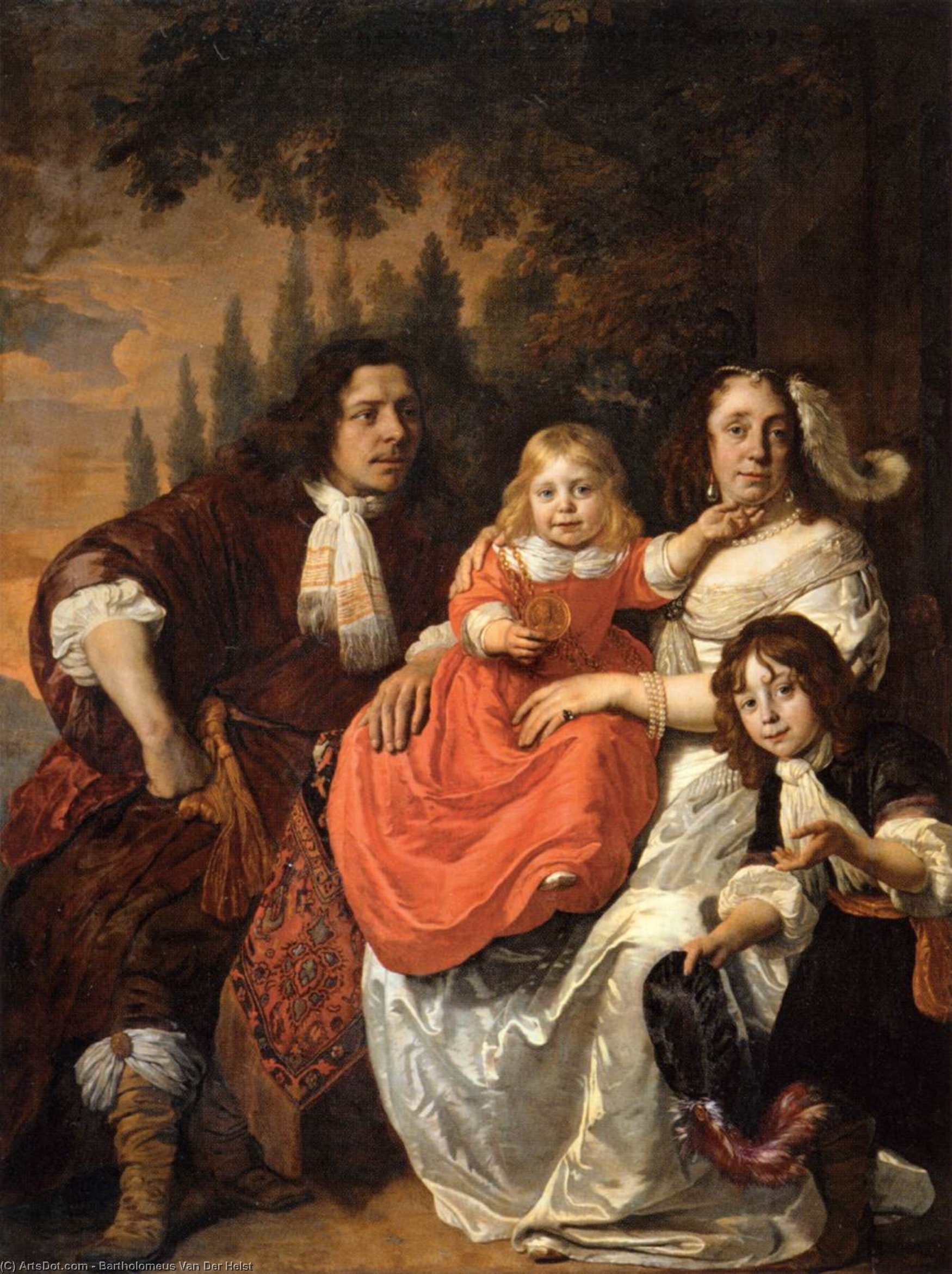
Admire Bartholomeus van der Helst's masterpiece 'The Reepmaker Family of Amsterdam,' a stunning group portrait capturing the elegance and unity of a wealthy Dutch family from 1669.
オランダ黄金時代の肖像画の巨匠、バルトロメウス・ファン・デル・ヘスト(1613-1670)をご紹介。アムステルダムのエリート層を優雅に描き出し、躍動感あふれる集団肖像画で知られる彼の芸術の世界をご覧ください!
Paris
France
パリのルーブル美術館を探索!モナ・リザやミロのヴィーナスなど、古代エジプトからルネサンス期の傑作まで。訪問計画はこちら。
The Louvre
Musée du Louvre
France
Paris
Louvre Museum
Mona Lisa
8.7 million (2024)
380,000+ objects
Art museum
1793
A royal residence
3
Originally, what was the Louvre primarily built as?
The Reepmaker Family of Amsterdam: A Window into Dutch Golden Age Portraiture
Bartholomeus van der Helst’s *The Reepmaker Family of Amsterdam*, painted in 1669, stands as a quintessential example of the Dutch Golden Age's artistic prowess—a meticulously crafted group portrait that captures not only likenesses but also the spirit of its time. Executed on canvas measuring 190 x 145 cm, this artwork offers a glimpse into the opulent lives of Amsterdam’s merchant elite and exemplifies the prevailing stylistic conventions of the era.
A Portrait Steeped in Tradition
Van der Helst adhered to established artistic traditions prevalent during his lifetime. Like many prominent portraitists of the period, he employed a pyramidal composition—a technique favored by artists such as Rembrandt—to create a sense of stability and grandeur. The figures are arranged diagonally across the canvas, emphasizing their importance and conveying an impression of dignified composure. This compositional choice reflects the humanist ideals that underpinned artistic endeavors during the Golden Age, prioritizing clarity of form and intellectual contemplation alongside aesthetic beauty.
Technical Brilliance: Oil Paintsmanship and Detail
The painting’s remarkable realism is achieved through masterful oil paintsmanship—a technique perfected by Dutch artists and considered revolutionary at the time. Van der Helst skillfully blended pigments to create subtle gradations of tone, capturing the nuances of light and shadow with exceptional accuracy. The artist's meticulous attention to detail extends beyond mere representation; he painstakingly rendered fabrics, jewelry, and facial expressions, conveying a profound understanding of human anatomy and psychology. Notice particularly the intricate folds of clothing—a testament to Van der Helst’s dedication to achieving visual fidelity.
Symbolism Within Elegance
Beyond its technical virtuosity, *The Reepmaker Family* is laden with symbolic significance. The family depicted represents not just individuals but also social status and familial bonds—values highly esteemed in seventeenth-century Dutch society. The inclusion of a bird perched atop the tree branches symbolizes hope and aspiration, mirroring the optimism characteristic of the period’s cultural landscape. Furthermore, the formal attire worn by each member underscores their wealth and influence, reinforcing the portrait's message about social hierarchy and prestige.
Emotional Resonance: Capturing Dignity and Connection
Despite its formality, *The Reepmaker Family* possesses a palpable emotional resonance. The gaze of the subjects—direct and confident—communicates an aura of dignity and self-assurance. The woman on the left’s embrace around her companion speaks volumes about familial affection and loyalty—themes that resonate deeply with viewers even today. Van der Helst's ability to convey these subtle nuances elevates the portrait beyond mere visual representation, transforming it into a powerful meditation on human relationships and social identity.
A Legacy of Artistic Excellence
Bartholomeus van der Helst’s *The Reepmaker Family* remains an enduring masterpiece—a testament to the artistic achievements of the Dutch Golden Age and a captivating subject for art enthusiasts worldwide. Its meticulous technique, symbolic richness, and emotional depth continue to inspire admiration and provide invaluable insight into the cultural values of its era. Reproductions offer a beautiful way to experience this iconic artwork and appreciate its timeless appeal.