カラヴァッジョ(1571-1610):劇的な光と影のコントラスト「キアロスクーロ」を駆使したバロック絵画の巨匠。宗教画に身近な人々を描き、ルベンスやレンブラントにも影響を与えた革新的芸術家。
アメリカ合衆国カンザスシティで感動体験!世界美術コレクションと美しい建築が魅力のノエル・アトキンズ美術館は、入場無料です。芸術への情熱を育む場所。
アメリカ合衆国カンザスシティで感動体験!世界美術コレクションと美しい建築が魅力のノエル・アトキンズ美術館は、入場無料です。芸術への情熱を育む場所。
ノエル・アトキンズ美術館 カンザスシティ 美術館 アジア美術 コロンビア大学美術館 モーマ 美術館
ノエル・アトキンズ美術館 カンザスシティ 美術館
アメリカ合衆国
フレッド・リヒトマン
カンザスシティ
ノエル・アトキンズ美術館
イタリア絵画
34,500点以上
美術館
1933
イタリア絵画
1
ノエル・アトキンズ美術館で特に有名なコレクションは?
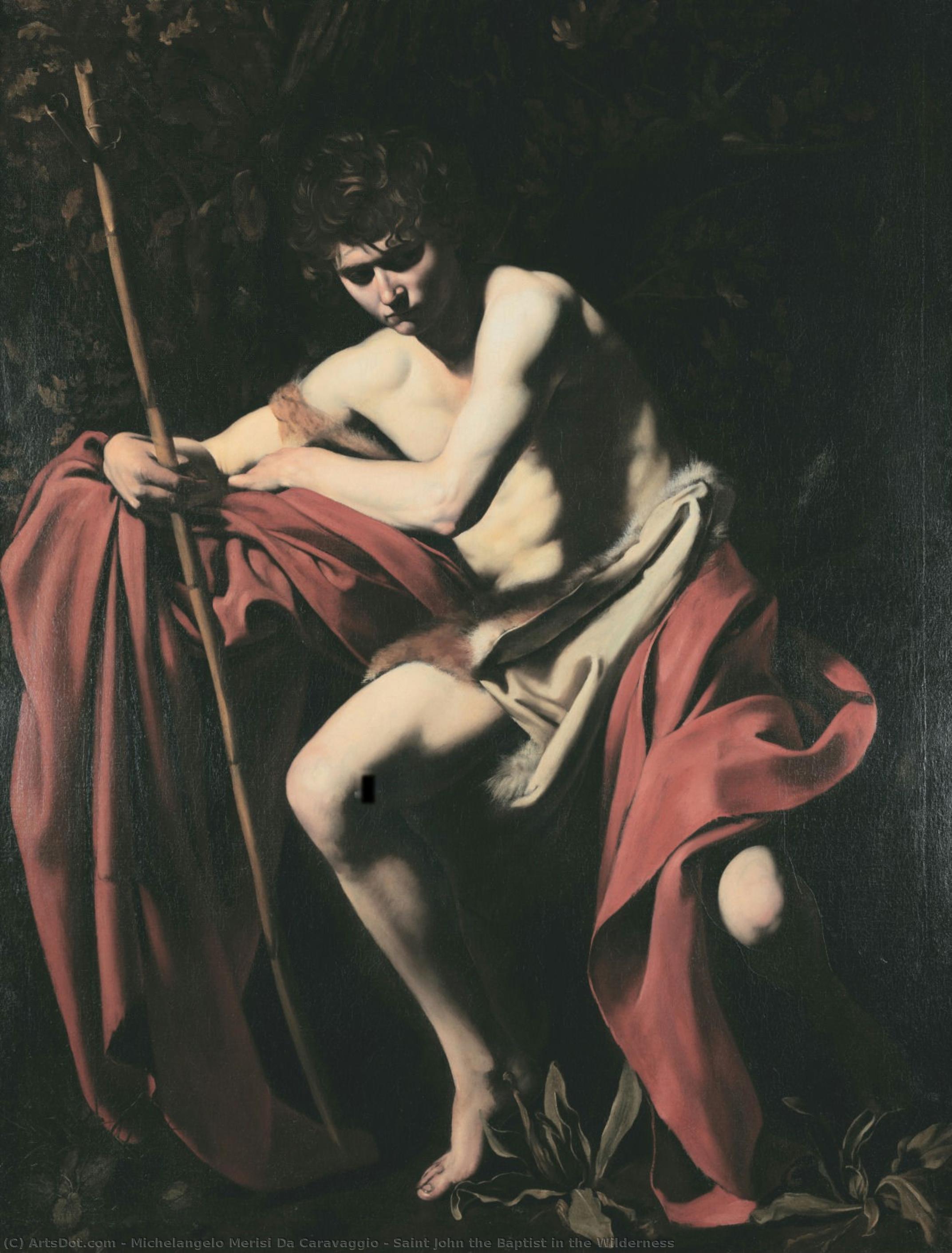
A Portrait of Spiritual Reflection: Caravaggio’s Saint John the Baptist in the Wilderness
Michelangelo Merisi da Caravaggio, a name synonymous with the dramatic intensity of Baroque painting, was born in Milan in 1571, a period steeped in both artistic flourishing and societal upheaval. His early life was marked by loss; plague ravaged his hometown, claiming the lives of his father and grandfather when he was just six years old. Raised amidst relative poverty, young Michelangelo’s formative years instilled within him a keen awareness of human suffering and resilience—themes that would later become central to his artistic vision. He began his artistic training in Milan under Simone Peterzano, a former pupil of Titian, absorbing the fundamentals of Renaissance technique but already hinting at a rebellious spirit that would soon shatter conventional norms. This apprenticeship provided a solid foundation, yet it was in Rome, arriving around 1592, that Caravaggio truly found his voice, though not without initial struggle and hardship. The city, a vibrant hub of artistic patronage and intellectual debate, challenged him to push boundaries—a crucible where his unparalleled talent emerged from the shadows.
The Genesis of Dramatic Realism
Caravaggio’s stylistic breakthrough arrived precisely at this pivotal moment. Rejecting idealized depictions favored by many of his contemporaries, he championed *tenebrismo*, a technique characterized by extreme contrasts between light and dark – a deliberate departure from Renaissance ideals that prioritized clarity and harmony. This masterful manipulation of chiaroscuro wasn't merely aesthetic; it served as a powerful tool for conveying psychological depth and emotional resonance. Caravaggio meticulously studied anatomy and observation, grounding his art in the tangible world—a radical approach that shocked audiences accustomed to idealized representations. He sought to capture not just what he saw but also what he *felt*, imbuing his figures with palpable vulnerability and conviction.
A Biblical Icon Illuminated
“Saint John the Baptist in the Wilderness,” painted around 1605, exemplifies Caravaggio’s signature style perfectly. The scene depicts Saint John alone at a well, clutching a staff and holding a book—symbols of prophetic authority and divine knowledge. Stripped bare save for a loincloth, John embodies asceticism and spiritual contemplation. Caravaggio's masterful use of light dramatically illuminates his face and torso, highlighting the contours of his musculature and conveying an expression of profound introspection. The dark background amplifies the luminosity of the figure, creating a visual paradox that underscores John’s isolation yet simultaneously communicates his unwavering faith.
Symbolism Rooted in Scripture
The biblical narrative itself is laden with symbolic significance. John represents repentance and preparation for Christ's arrival—a theme central to Christian theology. The wilderness setting symbolizes solitude and spiritual struggle – challenges endured on the path to enlightenment. Even the staff, a traditional symbol of priestly authority, speaks to John’s role as herald of salvation. Caravaggio skillfully renders these symbolic elements not through explicit iconography but through subtle gestures and expressions, inviting viewers to engage in contemplation and interpretation.
Emotional Resonance: A Masterpiece of Baroque Feeling
Ultimately, “Saint John the Baptist in the Wilderness” transcends mere representation; it achieves a profound emotional impact. Caravaggio’s depiction captures the essence of human experience—the yearning for spiritual truth amidst adversity. The painting's dramatic lighting evokes feelings of vulnerability and solemnity, mirroring John’s inner turmoil yet simultaneously conveying his unwavering devotion. It is this ability to convey emotion with breathtaking precision that distinguishes Caravaggio from his peers and secures his place as one of the greatest artists of all time—a testament to the enduring power of Baroque art to inspire awe and contemplation.