パリ
フランス
クロード・モネ
オスカー=クロード・モネ、クロード・オスカール・モネ
印象派の巨匠クロード・モネ。光と色彩を捉え、睡蓮や干し草など、移りゆく風景を描き出しました。自然を観察し、独自の技法で表現した作品は、美術史に大きな影響を与えました。
印象派
現代美術
エウジェーヌ・ブーダン
1840年11月14日
1926年12月5日
オスカー=クロード・モネ
フランス人
印象、日の出
フランス、パリ
大理石の彫刻
2
クロード・モネに、エウジェーヌ・ブーダンが教えてくれた重要な技法は何ですか?
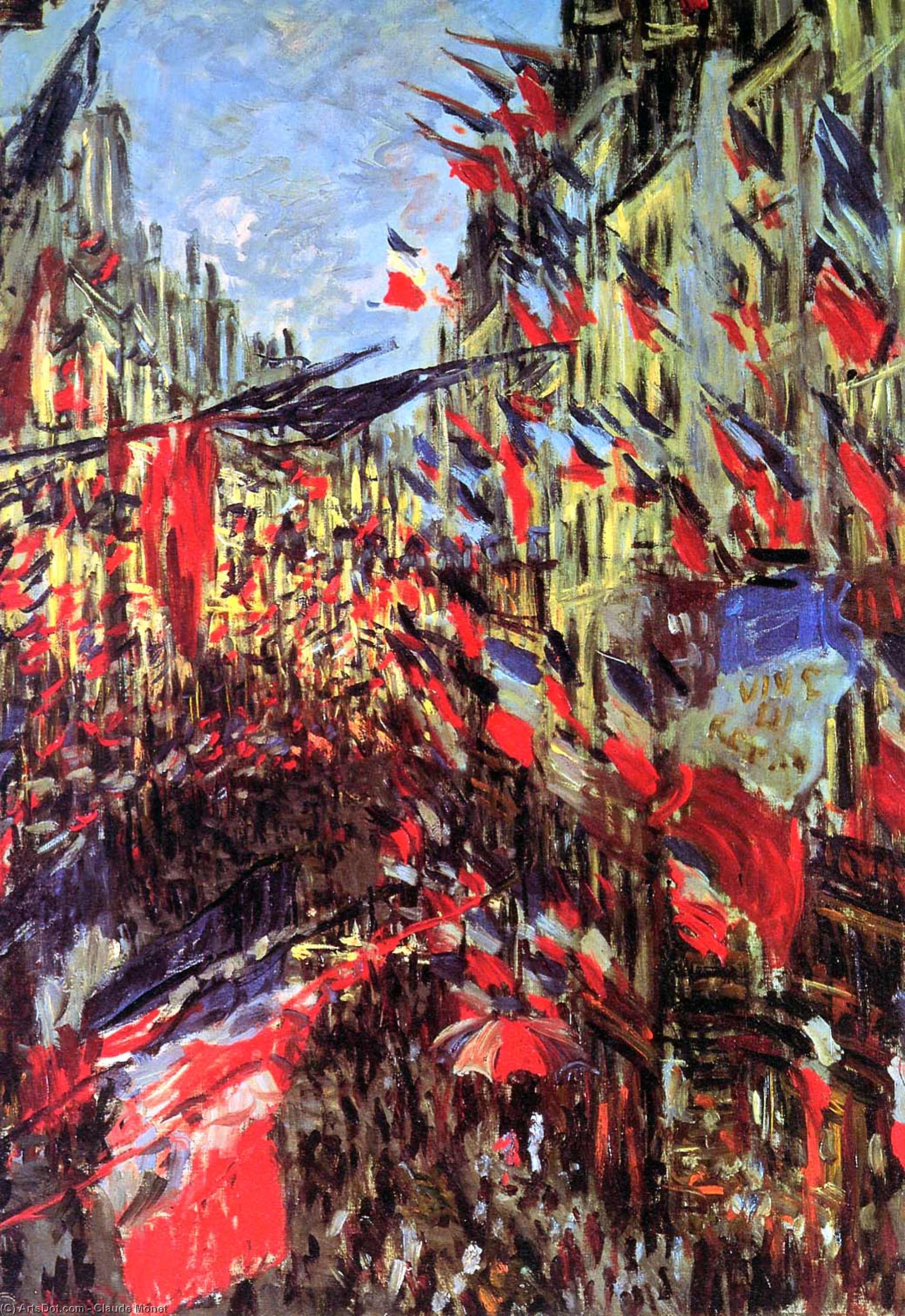
Rue Saint-Denis Feast Sun: A Snapshot of Parisian Celebration
Claude Monet’s “Rue Saint-Denis, Celebration of 30th June 1878” isn't merely a depiction of a Parisian street; it’s an embodiment of the fervor surrounding France’s newfound liberty after Napoleon III’s defeat. Painted in 1878, this Impressionist masterpiece captures the palpable excitement of the Universal Exhibition and the imminent arrival of the Third Republic – events that reverberated throughout the city on that sunny June day. As noted by literary critics of the time, Monet's approach was daring: he eschewed meticulous detail for a vibrant tapestry of color and light, prioritizing sensation over precise representation.
A Revolutionary Technique: Plein Air Impressionism
Monet’s genius lay in his unwavering commitment to *plein air* painting – working outdoors directly from nature—a radical departure from the studio traditions prevalent at the time. This method allowed him to observe and translate the fleeting effects of sunlight on surfaces with unparalleled accuracy. The rapid brushstrokes, characteristic of Impressionism, are visible throughout the canvas, creating a shimmering surface that seems to vibrate with energy. Monet employed broken color – applying pigment in small, separate strokes rather than blending them seamlessly—to achieve this luminous quality. This technique brilliantly conveys the atmosphere of the celebration and reflects Monet’s belief that painting should capture not just what is seen but how it *feels*.
The Streetscape Illuminated: Composition and Perspective
The composition itself contributes significantly to the artwork's impact. Monet positioned himself high above the street, utilizing a strong perspective to emphasize the vastness of the sky and the compressed space occupied by the crowd below. The dark triangle formed by the masses ascends towards an inverted triangular expanse of azure, mirroring the dynamism of the scene. This masterful use of perspective draws the viewer’s eye upwards, reinforcing the sense of grandeur and optimism associated with the occasion. Furthermore, the inclusion of flags—emblazoned with “Vive la France” and “Vive la République”—dominates the visual field, symbolizing the triumph of republican ideals.
Symbolism Beyond Sight: Celebrating Liberty
Beyond its technical brilliance, "Rue Saint-Denis" carries profound symbolic weight. The painting commemorates a pivotal moment in French history – the restoration of constitutional monarchy after decades of autocratic rule. The celebratory atmosphere is palpable; even funeral processions were adorned with tricolors, demonstrating the widespread embrace of republican values. Monet’s deliberate choice to depict this joyous occasion underscores his belief that art should engage not only our senses but also our emotions and intellect. He sought to convey a feeling of exhilaration and hope—a testament to the spirit of France at the dawn of its modern era.
A Legacy of Light: Impressionism's Enduring Appeal
“Rue Saint-Denis, Celebration of 30th June 1878” exemplifies the core tenets of Impressionism – capturing fleeting impressions of light and color—principles that continue to inspire artists and collectors today. Monet’s unwavering dedication to *plein air* painting revolutionized artistic practice and cemented his place as one of the most influential figures in modern art history. Its vibrant hues, dynamic composition, and evocative symbolism resonate with viewers across generations, reminding us of the transformative power of observation and the enduring beauty of capturing a moment in time.