パリ
フランス
クロード・モネ
オスカー=クロード・モネ、クロード・オスカール・モネ
印象派の巨匠クロード・モネ。光と色彩を捉え、睡蓮や干し草など、移りゆく風景を描き出しました。自然を観察し、独自の技法で表現した作品は、美術史に大きな影響を与えました。
印象派
現代美術
エウジェーヌ・ブーダン
1840年11月14日
1926年12月5日
オスカー=クロード・モネ
フランス人
印象、日の出
フランス、パリ
大理石の彫刻
2
クロード・モネに、エウジェーヌ・ブーダンが教えてくれた重要な技法は何ですか?
A Symphony of Light and Reflection: Exploring Claude Monet’s Water Lilies 57
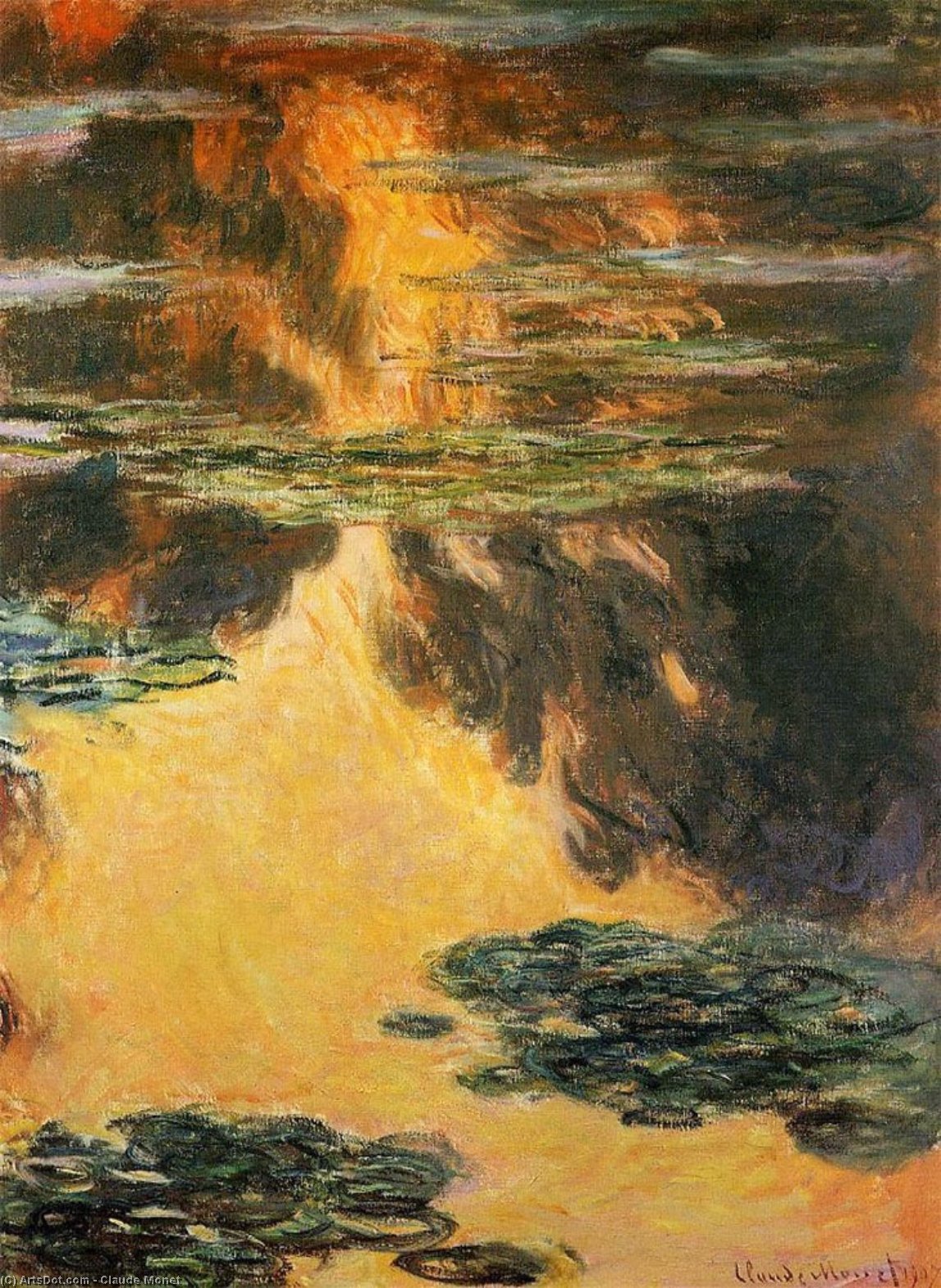
Claude Monet, a name inextricably linked to Impressionism, wasn't merely an artist who painted landscapes; he was a visionary obsessed with capturing the ephemeral beauty of nature—a quest that culminated in his monumental Water Lilies series. Beginning in earnest around 1897 and continuing until his death in 1926 at Giverny, France, Monet abandoned traditional academic painting for *plein air* practice – working directly from observation – a revolutionary decision that fundamentally altered the course of art history. This dedication to capturing light’s transformative effects on color is vividly realized in Water Lilies 57 (8XXRYN), a canvas brimming with serene tranquility and an unparalleled mastery of Impressionistic technique.
The Essence of Impressionism: Capturing Fleeting Moments
Monet's artistic breakthrough stemmed from his collaboration with Eugène Boudin, who instilled within him the crucial concept of painting outdoors. Boudin championed *plein air* not just as a method but as a philosophy – an insistence on experiencing and recording nature’s immediacy. Unlike studio paintings that relied on carefully blended pigments to achieve illusionistic depth, Monet sought to convey the sensation of light itself, prioritizing color over form. This approach is brilliantly exemplified in Water Lilies 57 where shimmering hues dance across the surface of the pond, reflecting the diffused sunlight filtering through the foliage – a testament to Monet’s unwavering commitment to capturing the fleeting beauty of a single moment.
A Detailed Examination: Technique and Composition
The painting's execution showcases Monet’s meticulous brushwork—loose, broken strokes layered upon one another to build up texture and luminosity. Thick impasto creates palpable ridges on the canvas, mirroring the undulating surface of the water and enhancing the visual richness of the scene. Monet employed a palette dominated by greens, blues, and yellows – colors chosen not for their representational accuracy but for their expressive qualities. The composition is deliberately asymmetrical, guiding the viewer’s eye across the expanse of lily pads and reflections. Careful attention to tonal gradations contributes to the overall sense of depth and atmosphere, transporting the observer into Monet's immersive Giverny garden.
Historical Context: Impressionism's Bold Experimentation
Water Lilies 57 emerged during a period of significant artistic upheaval—the rise of Impressionism challenged the conventions of academic art, which prioritized idealized depictions and meticulous detail. Artists like Monet rejected historical narratives and mythological subjects in favor of scenes from everyday life and landscapes, prioritizing subjective experience over objective representation. This bold rejection of tradition coincided with advancements in scientific understanding of light and color, influencing artists’ techniques and furthering their exploration of perceptual phenomena. The painting stands as a cornerstone of Impressionism's legacy—a defiant assertion of artistic freedom and an enduring celebration of the natural world.
Emotional Resonance: Tranquility and Remembrance
More than just a visual record, Water Lilies 57 evokes profound emotional resonance. Its muted palette and soft brushstrokes convey a sense of peace and contemplation, mirroring Monet’s own desire to capture the beauty of his beloved garden as he approached the end of his life. The painting serves as a poignant reminder of the passage of time and the enduring power of nature—themes that resonate deeply with viewers today. As Monet himself eloquently stated, “One instant, one aspect of nature contains it all,” encapsulating the essence of his artistic endeavor and cementing Water Lilies 57’s place as an iconic masterpiece of Impressionism.