A Study in Delicate Beauty: Dante Gabriel Rossetti’s “La Pia De' Tolomei”
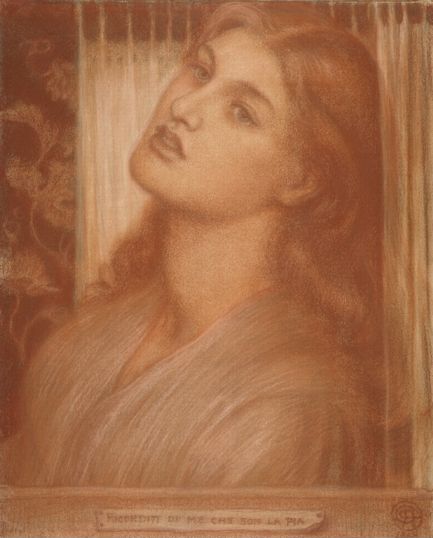
“La Pia De’ Tolomei,” a chalk painting executed by Dante Gabriel Rossetti in 1868, stands as a testament to the Pre-Raphaelite movement’s unwavering commitment to meticulous observation and emotive storytelling. More than just an image, it’s a meditation on beauty, sorrow, and the enduring power of myth—a captivating exploration captured within a single frame by one of Victorian England's most celebrated artists. The painting depicts Pia de’ Tolomei, a figure drawn from Dante Alighieri’s *Divine Comedy*, embodying idealized feminine grace and vulnerability. Rossetti skillfully renders her serene countenance against a backdrop of richly textured drapery—a curtain dominating the upper right corner—creating an atmosphere imbued with palpable stillness.
- Style & Technique: Rossetti's approach aligns perfectly with the Pre-Raphaelite ethos, prioritizing artistic accuracy and luminous color palettes over academic conventions. Chalk painting, a technique favored by artists like Burne Jones and William Morris, lends itself beautifully to capturing subtle tonal variations and conveying an ethereal quality. The artist’s painstaking attention to detail—evident in every fold of fabric and strand of hair—is characteristic of the movement's desire to recapture the spirit of early Renaissance art.
- Historical Context: Created during a period marked by Victorian moral sensibilities, “La Pia De’ Tolomei” reflects the Pre-Raphaelites’ fascination with medieval literature and symbolism. Rossetti sought to elevate Pia de’ Tolomei beyond mere portraiture, transforming her into an emblem of spiritual purity—a deliberate allusion to Dante's depiction of Beatrice as a conduit for divine grace.
- Symbolism & Emotion: The woman’s gaze directs towards the viewer with quiet dignity, conveying both composure and profound melancholy. Her flowing hair symbolizes innocence and vulnerability, mirroring Beatrice’s ethereal beauty in *Paradise Lost*. The curtain serves as a visual barrier, subtly emphasizing Pia's isolation yet simultaneously highlighting her inner radiance.
- Color Palette: Rossetti employed a restrained color palette dominated by muted tones of ivory and pale blues—colors that contribute to the painting’s overall sense of serenity and melancholy. These hues are skillfully blended to create an illusion of depth and luminosity, enhancing the emotional impact of the scene.
Where to Experience This Masterpiece:
A stunning reproduction of “La Pia De’ Tolomei” is available at
ArtsDot.com, allowing collectors and interior designers alike to immerse themselves in the artistic legacy of Dante Gabriel Rossetti. Furthermore, a version resides within the Spencer Museum of Art, offering visitors an opportunity to appreciate Rossetti’s artistry firsthand. For deeper insights into Rossetti's life and oeuvre, explore
here or delve into Wikipedia’s comprehensive article on Pia de’ Tolomei (
Wikipedia).