Birmingham
United Kingdom
Edward Coley Burne-Jones
Sir Edward Coley Burne-Jones, 1st Baronet, Burne-Jones, Edward Burne-Jones
神秘的で美しい中世風の絵画とデザインで知られる、エドワード・バーン=ジョーンズ。プレ・ラファエライト運動を代表し、ウィリアム・モリスとの協業による装飾美術の革新も果たしました。『妖艶なマールリン』など、幻想的な世界観が魅力です。
Pre-Raphaelite, Aesthetic
Victorian artists
Rossetti
1833
1898
Edward Coley Burne-Jones
British
The Beguiling of Merlin
Impressionism
2
Edward B
ウィリアム・モリスの世界をウォルサムストー・ギャラリーで発見!見事なテキスタイルやデザイン、彼の社会主義の遺産を探索しましょう。入場無料 — アーツ・アンド・クラフツの美を讃える展示です。
A Moment of Grace: Burne-Jones's 'The Nativity' – A Window into Victorian Faith
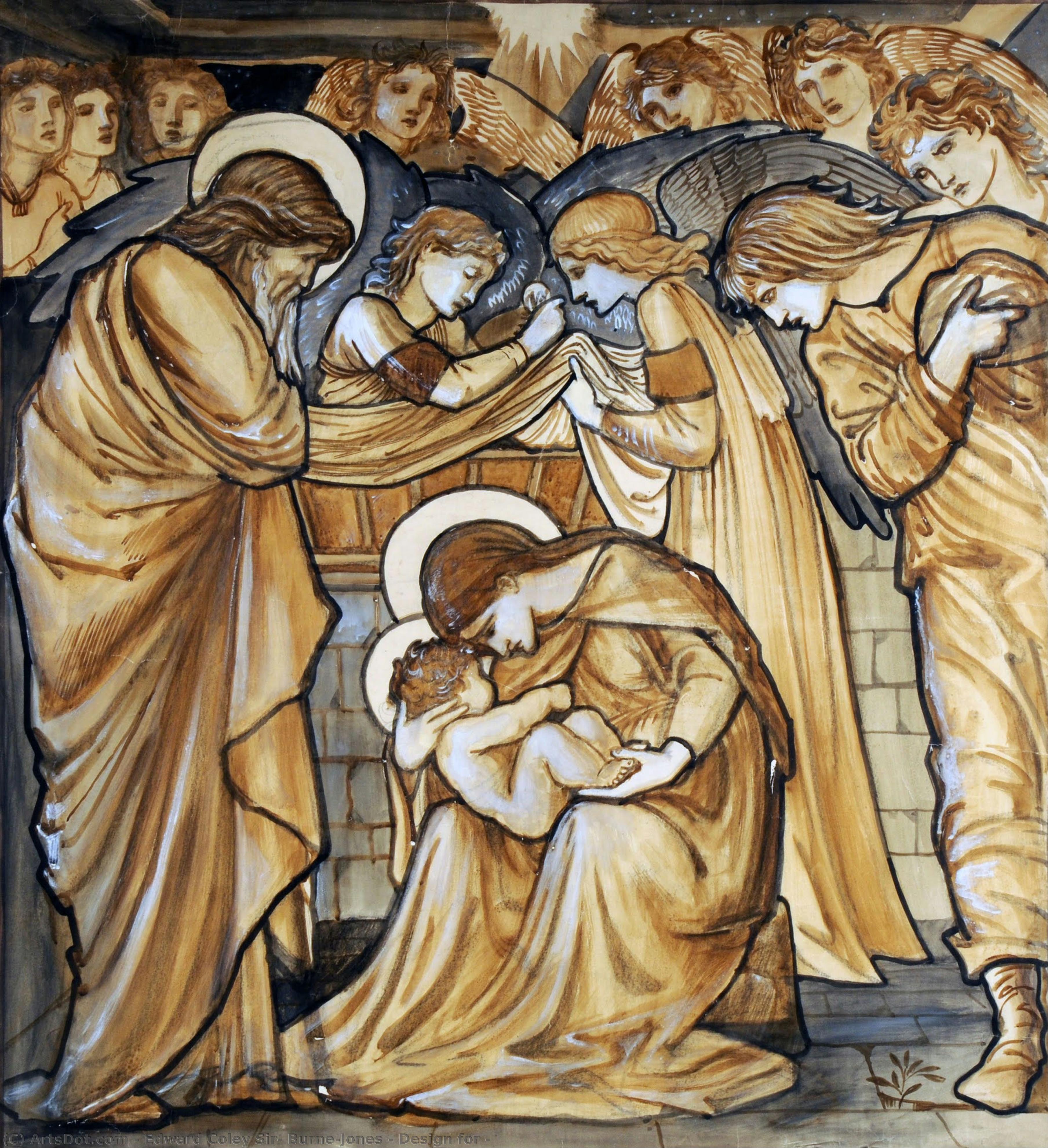
Edward Burne-Jones’s watercolour composition, “Design for The Nativity,” offers a poignant glimpse into the artistic and spiritual landscape of late 19th-century England. Executed in 1872 as one of four designs destined for the chapel at Castle Howard, North Yorkshire, this work transcends mere illustration; it's a carefully considered meditation on the birth of Christ, imbued with the hallmarks of the Arts and Crafts movement and the enduring legacy of the Pre-Raphaelite Brotherhood. The scene depicts Mary and Joseph gathered around the infant Jesus, enveloped in the watchful presence of angels – a tableau both deeply familiar and rendered with an arresting sense of quiet dignity.
- A Collaboration Born of Friendship: This design emerged from a close relationship between Edward Burne-Jones and the Howards, the Earl and Countess of Carlisle. Their shared appreciation for beauty and craftsmanship fostered a fruitful partnership that significantly shaped the chapel’s interior, demonstrating the power of patronage in driving artistic innovation.
- Technique and Vision: Unlike some of Burne-Jones's later, richly detailed paintings, this watercolour reveals an early exploration of how his designs would translate into stained glass. The bold linear style anticipates the final leaded window, showcasing the artist’s meticulous consideration of scale, composition, and the interplay of light and color – a crucial step in the process of creating a monumental work.
Symbolism and Narrative within the Craft
The scene is rich with symbolic weight, reflecting the core tenets of Christian belief. The central figures—Mary, Joseph, and the newborn Christ—represent humility, devotion, and divine grace. The angels, depicted with a restrained elegance, embody protection and spiritual guidance. Burne-Jones’s deliberate choice to portray the Nativity in this manner speaks to the movement's desire to reconnect with medieval artistic traditions, emphasizing narrative clarity and symbolic resonance over elaborate ornamentation. The brick wall backdrop isn't merely a setting; it grounds the scene in a tangible reality, anchoring the divine event within the everyday world.
- Pre-Raphaelite Influence: The composition echoes Pre-Raphaelite ideals of beauty and truth, prioritizing detailed observation and emotional intensity over academic conventions.
- Arts & Crafts Values: The design reflects the Arts and Crafts movement's emphasis on handcrafted objects, skilled artistry, and a return to traditional materials and techniques.
A Legacy Preserved – Reproduction and Context
This meticulously crafted watercolour served as the initial ‘cartoon’ for a full-scale stained glass window, eventually reproduced by Morris & Co. in the Epiphany Chapel at Winchester Cathedral, Hampshire—a testament to the design's enduring appeal. The original window, created nearly a century later, demonstrates the longevity of Burne-Jones’s vision and the continued relevance of his work within the Arts and Crafts tradition. The 105 x 100 cm reproduction captures this essence perfectly, offering an exceptional opportunity to bring a piece of Victorian artistic history into your home or studio.
Size:** 105 x 100 cm
Date:** 1872
Perfect for Display – A Statement Piece
Whether adorning a study, hallway, or living room, this reproduction of “Design for The Nativity” is more than just a beautiful image; it’s an investment in artistry and heritage. Its timeless subject matter and the masterful execution of Burne-Jones's early style make it a captivating focal point, capable of sparking conversation and inspiring contemplation. This artwork offers a unique connection to a pivotal moment in British art history – a legacy beautifully preserved for generations to come.