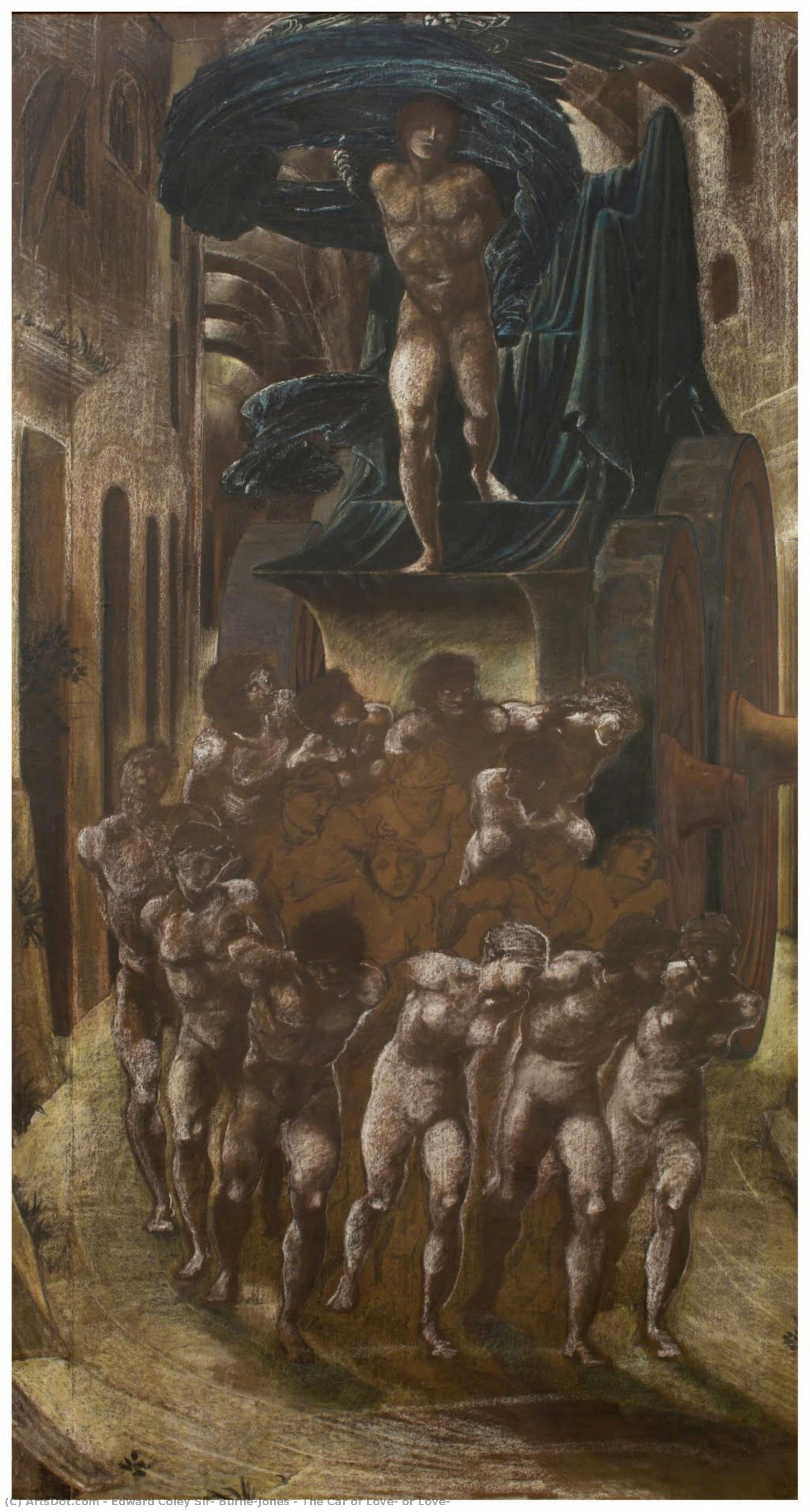
The painting draws heavily from Burne-Jones’s personal experiences and embodies the Pre-Raphaelite fascination with medieval symbolism.
Birmingham
United Kingdom
Edward Coley Burne-Jones
Sir Edward Coley Burne-Jones, 1st Baronet, Burne-Jones, Edward Burne-Jones
神秘的で美しい中世風の絵画とデザインで知られる、エドワード・バーン=ジョーンズ。プレ・ラファエライト運動を代表し、ウィリアム・モリスとの協業による装飾美術の革新も果たしました。『妖艶なマールリン』など、幻想的な世界観が魅力です。
Pre-Raphaelite, Aesthetic
Victorian artists
Rossetti
1833
1898
Edward Coley Burne-Jones
British
The Beguiling of Merlin
Impressionism
2
Edward B
オークランド・アートギャラリー Toi o Tāmakiで、マオリや太平洋諸島の芸術、ニュージーランドの巨匠、そして世界の傑作が織りなす多彩なコレクションを堪能しましょう。見事な建築美と魅力的な展覧会があなたを待っています。
The Mythic Embrace of Siena: Exploring Burne-Jones’s “The Car of Love”
Edward Coley Burne-Jones (1833 – 1898), a titan of Victorian art, didn't merely depict scenes; he wrestled them from the pages of myth and legend into tangible form. His magnum opus, "The Car of Love," housed in the Victoria and Albert Museum in London, stands as a testament to his unwavering belief in the transformative power of storytelling and the enduring fascination with medieval symbolism. This monumental canvas isn’t simply a beautiful image; it's an invitation to delve into a narrative steeped in passion, loss, and ultimately, acceptance – themes that resonate powerfully even today.
A Vision Born from Tuscan Inspiration
Burne-Jones’s artistic journey began amidst the industrial fervor of Birmingham, shaped by formative experiences including the untimely passing of his mother. His father instilled in him a love for literature and contemplation, while Ann Sampson provided unwavering support during his childhood years. Exeter College nurtured his burgeoning talent, fostering an enduring friendship with William Morris – a partnership that would propel them to establish the Pre-Raphaelite Brotherhood, a movement dedicated to reviving artistic ideals rooted in medieval art and literature. The breathtaking beauty of Tuscany in 1870 profoundly impacted Burne-Jones’s creative sensibilities, fueling his desire to capture its grandeur on canvas. This influence is palpable in “The Car of Love,” where Siena's winding lanes serve as a visual anchor for the unfolding drama.
Technical Mastery and Symbolism’s Dance
Burne-Jones employed meticulous technique – primarily oil paint on canvas – achieving remarkable detail and luminosity. He painstakingly layered pigments, utilizing glazing techniques to imbue the figures with an ethereal glow that captures the very essence of their emotional state. The composition itself is deliberately unsettling; a chariot driven relentlessly forward by unseen forces carries four nude figures—a man, a woman, and two youths—representing idealized forms of masculinity and femininity. These figures are not merely aesthetically pleasing; they embody archetypal roles within mythic narratives – representing Eros (love), Psyche (soul), Virtue, and Beauty. The chariot’s movement symbolizes the inescapable passage of time and the relentless pursuit of unattainable desires.
The Heartbreak Behind the Ideal
Beneath the surface beauty lies a poignant tale of thwarted romance. Burne-Jones drew inspiration from his own tumultuous affair with Maria Zambaco, whose radiant red hair and alabaster skin captivated him. Their relationship ended tragically, mirroring the central conflict within the painting – the futile struggle against fate and the acceptance of inevitable sorrow. The anguished expressions on the figures’ faces convey this profound sadness, reminding viewers that even idealized beauty cannot shield us from the realities of human experience. Burne-Jones's masterful portrayal captures not just a mythological scene but also the deeply personal torment of artistic creation itself.
A Legacy Enduring Through Reproduction
“The Car of Love” continues to inspire artists and collectors alike, its dramatic imagery and evocative symbolism transcending time. High-quality reproductions offer an opportunity to experience Burne-Jones’s vision firsthand, allowing admirers to appreciate the intricacies of his technique and contemplate the enduring themes explored within this unforgettable masterpiece. Its place in art history secures its position as a cornerstone of Victorian Romanticism—a testament to Burne-Jones's ability to transform myth into emotionally resonant visual storytelling.