A Portrait Steeped in Faith and Venetian Influence
Doménikos Theotokópoulos, universally known as El Greco— “the Greek”—stands apart from his contemporaries as a painter whose artistic vision transcended conventional boundaries. Born in Crete in 1541, under the dominion of Venice, his formative years instilled within him an unwavering devotion to Byzantine iconography and meticulous observation – skills that would prove invaluable throughout his prolific career. This early grounding wouldn’t constrain him; instead, he embraced experimentation, forging a path toward a style utterly distinctive, anticipating movements like Expressionism and Cubism centuries ahead of their time. His journey took him through Venice and Rome, absorbing the artistic currents of those cities before settling in Toledo, Spain, where he would produce some of his most enduring masterpieces.
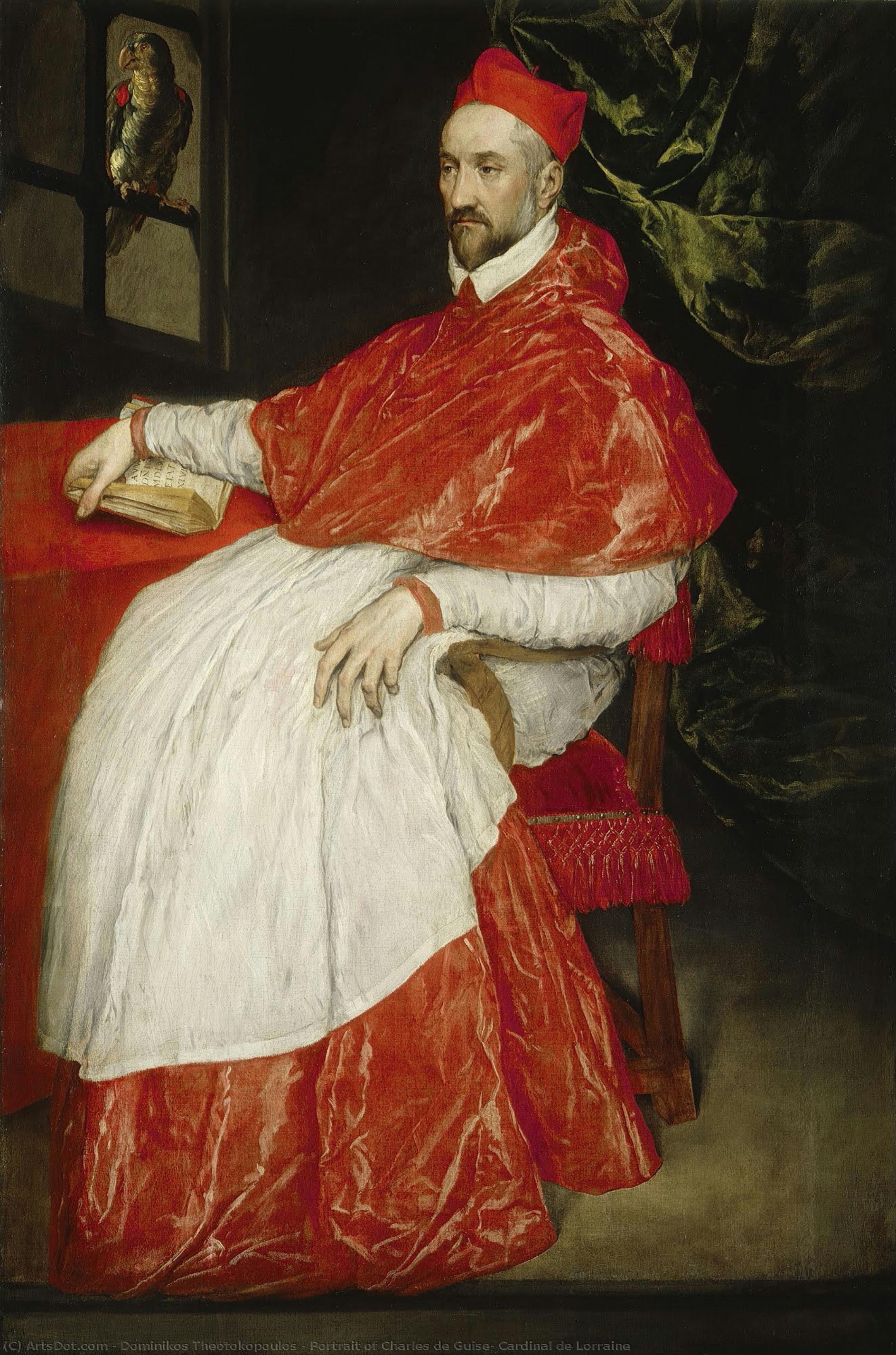
- Subject Matter: The painting depicts Charles de Guise, Cardinal of Lorraine—a prominent figure within the Spanish Catholic Party during the tumultuous reign of the Valois monarchs. This portrait captures De Guise in a moment of solemn contemplation, seated before a chair and holding a book, symbolizing piety and intellectual pursuits.
- Style: El Greco’s signature style is characterized by elongated figures, dramatic lighting, and an ethereal atmosphere—a deliberate departure from the naturalism favored by many artists of his era. The artist employs curvilinear lines and flattened perspectives to convey emotion and spiritual depth rather than realistic representation.
Technique: Mastering Illusionistic Depth
El Greco’s mastery lay in creating an illusion of three-dimensionality despite employing a predominantly flat surface. He achieved this remarkable feat through careful manipulation of color, shading, and modeling—techniques honed during his Byzantine training but pushed to new heights of expressive power. The artist utilized glazing – applying thin layers of translucent paint over underlying colors – to build up luminous surfaces that shimmer with an otherworldly glow. This technique lends the portrait a palpable sense of grandeur and reinforces its symbolic significance as a representation of spiritual authority.
- Color Palette: Dominant hues include rich reds—particularly in De Guise’s robe—evoking papal robes and signifying power and devotion. Subtle blues and greens contribute to the serene backdrop, creating a harmonious balance that underscores the solemn mood of the scene.
- Brushwork: El Greco's brushstrokes are bold and decisive, conveying movement and energy despite the overall stillness of the composition. The artist’s meticulous attention to detail is evident in the rendering of drapery folds and facial features, demonstrating a profound understanding of anatomy and artistic craftsmanship.
Historical Context: Navigating Religious Reformation
Painted in 1572 during the height of the Protestant Reformation, this portrait reflects the anxieties and aspirations of its time. The Spanish Catholic Church sought to reaffirm its faith amidst challenges posed by dissenting voices across Europe. El Greco’s depiction of De Guise embodies the conviction that underpinned this effort—a belief in divine grace and a commitment to upholding traditional religious values. Furthermore, the inclusion of birds – one perched on the upper right corner and another at the bottom left – adds layers of symbolic meaning, representing hope and resurrection within the Christian tradition.
- Symbolism: The book symbolizes knowledge and faith—essential components of De Guise’s spiritual identity. The chair represents dignity and authority, reflecting his position as Cardinal of Lorraine and highlighting the importance of ecclesiastical leadership during a period of religious upheaval.
- Emotional Impact: The painting evokes a feeling of solemn contemplation and reverence—a testament to El Greco's ability to capture the inner life of his subjects and convey profound spiritual emotion. It invites viewers to contemplate themes of faith, piety, and artistic genius.
A Legacy Enduring Through Time
El Greco’s influence extends far beyond the confines of Toledo; his distinctive style continues to inspire artists today. This portrait exemplifies his unparalleled skill in blending Byzantine tradition with Venetian innovation—a synthesis that resulted in an artwork of enduring beauty and emotional resonance. Reproductions of “Portrait of Charles de Guise, Cardinal de Lorraine” offer a captivating glimpse into the artistic spirit of the Renaissance and serve as a powerful reminder of El Greco’s visionary contribution to European art history.