A Portrait of Serenity: Exploring Francisco de Zurbarán’s “Inmaculada”
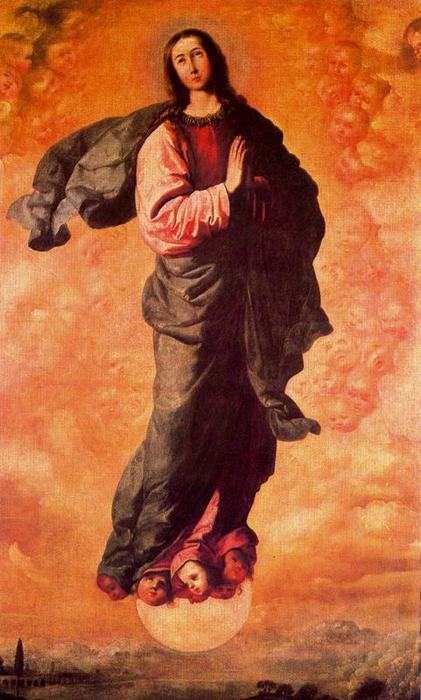
The painting "Inmaculada," attributed to the Spanish Baroque master Francisco de Zurbarán (1598-1664), transcends mere representation; it embodies a profound meditation on faith and divine grace. Executed sometime between 1630 and 1632, this monumental canvas depicts Mary Magdalene, presented not as a triumphant figure of martyrdom but rather as an embodiment of quiet contemplation—a deliberate antithesis to the flamboyant excesses characteristic of much Baroque art.
- Subject Matter: The central focus is undeniably Mary Magdalene, depicted in a serene pose with her hands clasped together in prayer. Her gaze directs upwards towards heaven, conveying an unwavering devotion and suggesting a spiritual transcendence beyond earthly concerns.
- Style & Technique: Zurbarán’s signature style—known for its austere realism—is powerfully evident here. He employs tenebrismo, a dramatic technique pioneered by Caravaggio, utilizing stark contrasts between light and shadow to sculpt the figure and imbue it with an ethereal glow. The meticulous attention to detail is remarkable; every fold of drapery, every strand of hair is rendered with painstaking accuracy, creating an illusion of palpable presence.
The painting’s historical context illuminates its significance within the religious fervor of Spain during Zurbarán's lifetime. Following the Counter-Reformation, the Catholic Church actively sought to reaffirm its moral authority and inspire piety through art. “Inmaculada” served as a visual testament to this ambition—a deliberate rejection of opulent decoration in favor of spiritual solemnity. The artist’s intention was not merely to depict Mary Magdalene aesthetically pleasing but to evoke within the viewer a feeling of reverence and contemplation, prompting introspection on themes of purity and divine grace.
- Symbolism: Beyond its immediate visual impact, “Inmaculada” is laden with symbolic meaning. The upward gaze symbolizes aspiration towards God, while the clasped hands represent humility and prayer—essential virtues in Christian piety. The pale flesh tone of Mary Magdalene underscores her purity and innocence, reflecting the Virgin’s role as a symbol of divine motherhood.
- Emotional Impact: Viewing “Inmaculada” is akin to entering into a sacred space. The subdued palette—dominated by browns and ochres—creates an atmosphere of tranquility and solemnity that invites contemplation. The artist's masterful manipulation of light and shadow generates a palpable sense of depth and emotion, capturing not just the physical likeness of Mary Magdalene but also her inner spiritual state.
Ultimately, Zurbarán’s “Inmaculada” stands as an enduring masterpiece—a testament to the power of art to communicate profound spiritual truths. Its understated elegance and masterful technique continue to inspire admiration and offer a timeless reflection on faith, humility, and divine grace. A reproduction captures not only the visual beauty but also the essence of Zurbarán’s artistic vision, providing collectors and interior designers alike with an opportunity to experience this iconic image in its purest form.