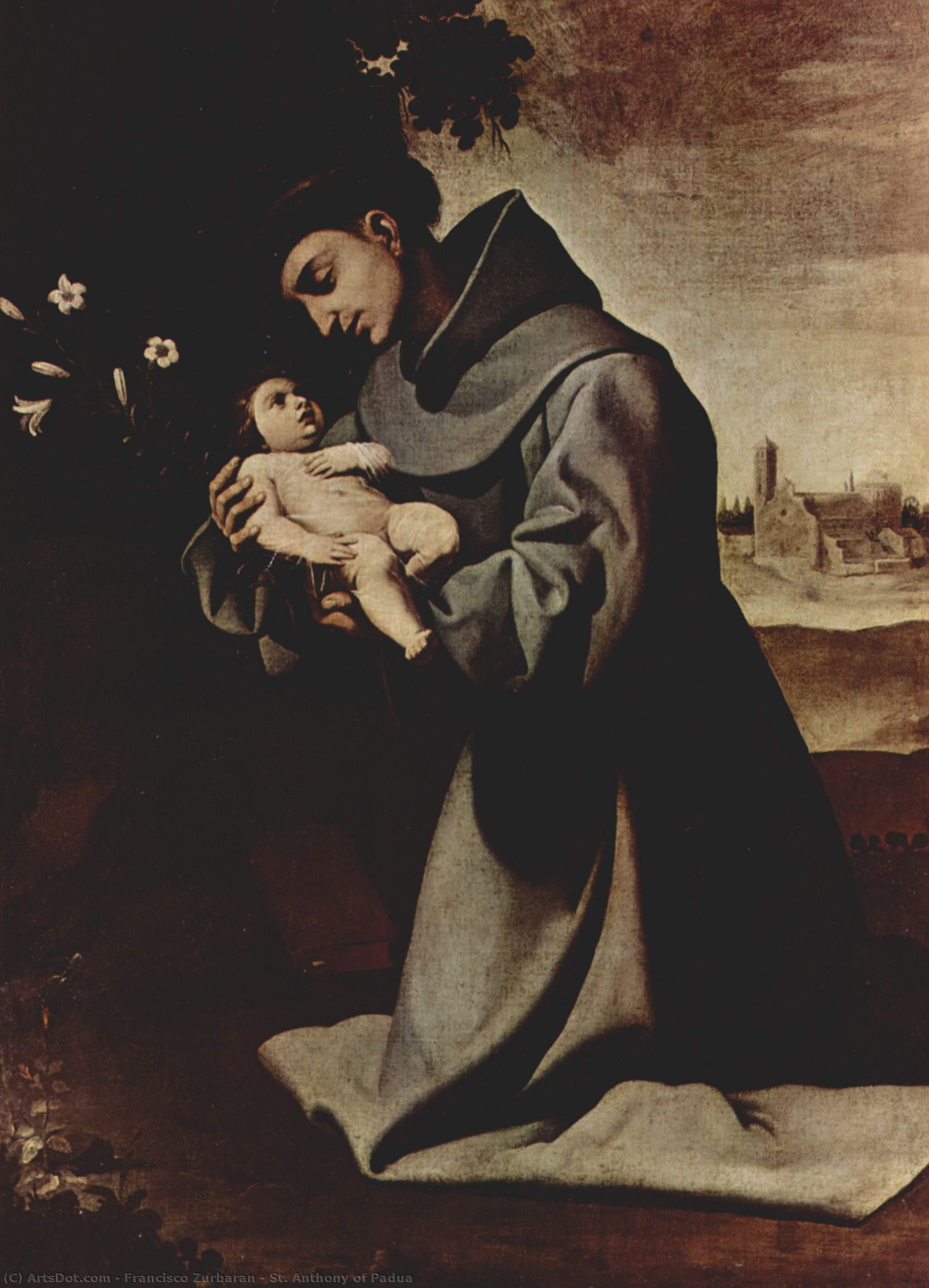
A profound display of Baroque tenebrism captures St. Anthony of Padua cradling the infant Christ in this emotive masterpiece by Francisco de Zurbarán, inviting you to experience the spiritual depth of Spanish art.
16世紀末~17世紀スペインのバロック絵画を代表するフランシスコ・デ・スールバララン。劇的な光と影のコントラスト(テネブリズム)で、聖人や修道士を描き出しました。深遠な精神性と写実性を兼ね備えた作品は、後の世代に多大な影響を与えました。
プラド美術館
(Madrid, Spain)
マドリードのプラド美術館で、ベラスケス、ゴヤ、エル・グレコなどの巨匠の傑作を堪能!スペイン美術の中心地で、王室の歴史と芸術の融合に触れる旅へ。
#プラド美術館 #マドリード #スペイン美術
スペイン
マドリード
ムセオ・ナシオナル・デル・プラド
ベラスケスの『ラス・メニーナス』
8,200点以上の作品
美術館
1819年
16世紀のヨーロッパ美術のみ
1
プラド美術館のコレクションの主な焦点は何ですか?
A Divine Encounter in Shadow and Light
St. Anthony of Padua is not merely a painting; it is a profound spiritual experience captured on canvas. In this masterpiece, Francisco de Zurbarán invites the viewer into a quiet, sacred space where the boundaries between the earthly and the divine begin to blur. The composition centers on the tender interaction between the saint and the infant Christ, arranged in a stable, pyramidal structure that evokes a sense of eternal permanence. As your eyes meet the work, you are immediately struck by the intense tenebrism—the dramatic interplay of deep, velvety shadows and piercing shafts of light. This technique, a hallmark of the Spanish Baroque, does more than create visual depth; it serves as a metaphor for the soul's journey through darkness toward the illumination of faith. The muted palette of ochres, creams, and earthy browns grounds the scene in a humble, monastic reality, making the sudden radiance upon St. Anthony’s face feel all the more miraculous.
The Artistry of Devotion
To observe Zurbarán’s technique is to witness a master at the height of his spiritual and technical powers. Every brushstroke serves the purpose of heightened realism and emotional resonance. The texture of the saint's habit, the soft, delicate skin of the sleeping Christ, and the subtle play of light across St. Anthony’s weathered features are rendered with an almost tactile precision. This meticulous attention to detail is characteristic of the Spanish Golden Age, where the goal was often to make the miraculous feel tangibly present. The single source of light descending from above acts as a divine spotlight, focusing our attention on the saint's downward gaze—a look filled with such profound compassion and quiet reverence that it transcends the centuries. For the collector or the designer, this painting offers a focal point of immense gravity, capable of anchoring a room with its serene and contemplative energy.
A Legacy of Spanish Baroque Splendor
Born from the religious fervor of 17th-century Spain, this work reflects the soul of an era defined by intense piety and dramatic expression. Zurbarán, often referred to as the "Spanish Caravaggio," drew inspiration from the austere landscapes and devout atmosphere of his native Extremadura. In this piece, we see the culmination of that influence: a painting that avoids unnecessary ornamentation in favor of raw, emotional truth. The historical context of the Counter-Reformation is palpable here; the art was intended to move the heart and instruct the spirit through beauty and realism. Whether displayed in a private gallery or as a centerpiece in a sophisticated interior, this reproduction of St. Anthony of Padua brings with it a piece of history—a timeless testament to the enduring power of love, devotion, and the transformative light of the divine.