A Dramatic Moment Captured in Paint
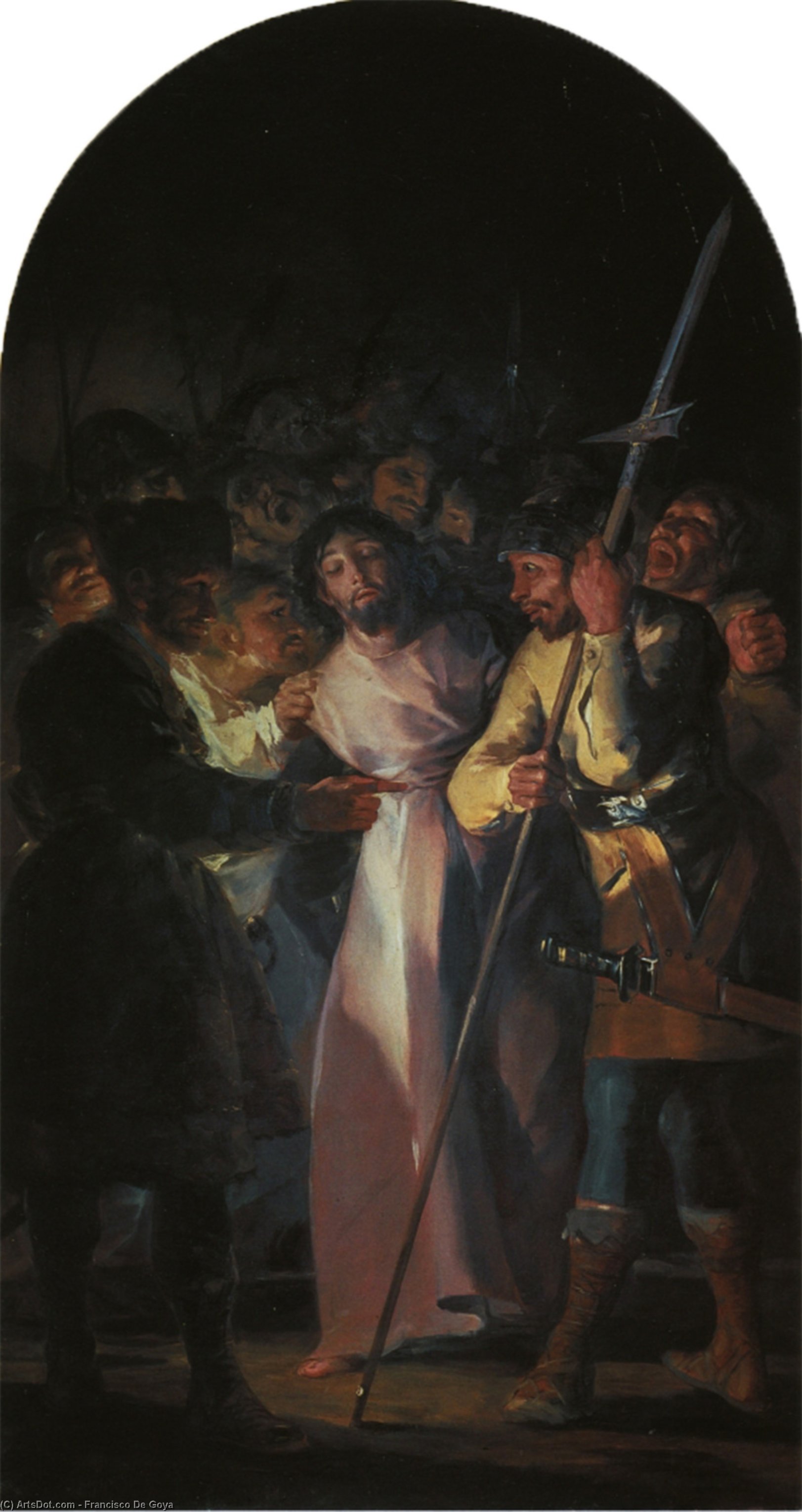
Francisco de Goya’s “The Arrest of Christ,” completed in 1788, stands as a cornerstone of Romanticism and an unforgettable depiction of human suffering. Measuring just 40 x 23 cm, this oil on canvas resides within the Museo del Prado in Madrid, Spain—a testament to its enduring artistic significance. It’s more than merely a historical record; it's a visceral portrayal of anguish and defiance against oppression, skillfully rendered by Goya’s masterful hand.
The painting immediately draws the viewer into a darkened landscape dominated by an oppressive atmosphere. Goya employs chiaroscuro—the dramatic interplay between light and shadow—to heighten the emotional intensity. Figures are positioned with deliberate dynamism, creating depth and emphasizing the tension inherent in the scene. The artist’s meticulous attention to detail captures not only the physical appearance of the individuals involved but also their psychological states.
Historical Context: Spain Under Pressure
“The Arrest of Christ” emerged during a turbulent period for Spain—the Napoleonic Wars had plunged the nation into crisis, fueling discontent and resistance. Goya himself witnessed firsthand the horrors of war, experiences that profoundly shaped his artistic vision. This painting reflects the Romantic preoccupation with emotion and imagination, rejecting Neoclassical ideals in favor of expressive realism.
Artistic Technique: Mastery of Light and Shadow
Goya’s technique is characterized by a remarkable sensitivity to texture and color. He achieves an astonishing level of detail through layering thin glazes of paint—a painstaking process that reveals the artist's dedication to capturing the essence of his subject matter. The subdued palette contributes to the painting’s melancholic mood, emphasizing the vulnerability of Christ amidst the brutality of Roman authority.
Symbolism and Emotional Impact
Beyond its historical narrative, “The Arrest of Christ” resonates with profound symbolic meaning. The figures surrounding Jesus—soldiers, onlookers—represent the forces of oppression and indifference. Yet, Christ’s gaze conveys unwavering dignity and resilience, embodying the spirit of defiance against injustice. Goya's depiction powerfully communicates the anguish of betrayal and the inevitability of suffering—themes that continue to captivate audiences centuries later.
Legacy in Modern Art
Goya’s influence extends far beyond his own time, foreshadowing movements like Impressionism and Expressionism. His unflinching portrayal of human emotion paved the way for artists who sought to convey subjective experience rather than objective representation. Consider “The Third of May 1808,” commemorating Spanish resistance during Napoleon's invasion—a work that shares Goya’s bold stylistic choices and emotional depth, cementing his place as a pivotal figure in the history of art.