The Quiet Dignity of a Scholar
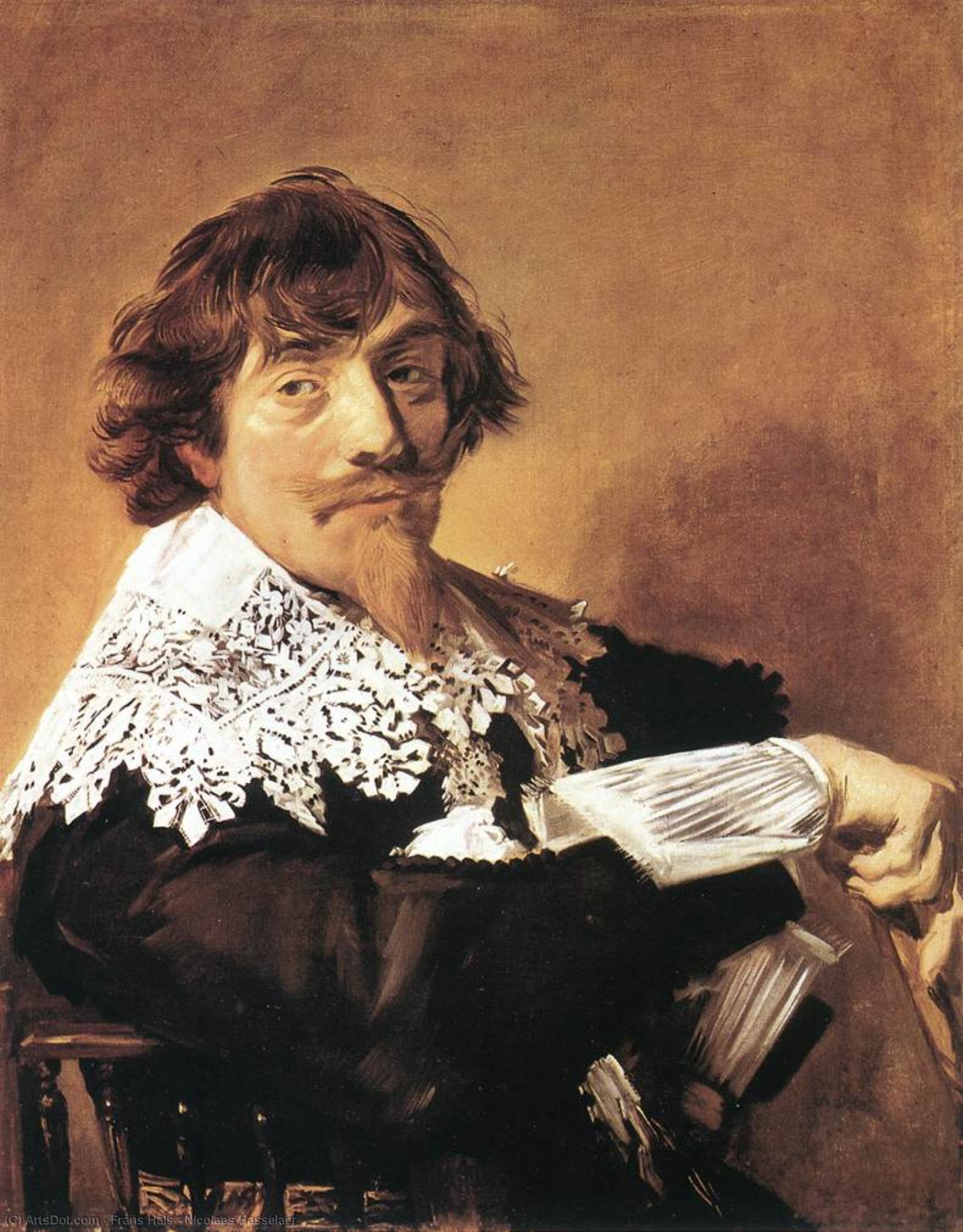
Frans Hals’s “Nicolaes Hasselaer,” painted in 1630, offers a remarkably intimate glimpse into the life of a prominent figure from 17th-century Amsterdam. More than just a portrait, it's a study in understated dignity and intellectual presence – a window into the world of a brewer, civic leader, and respected member of his community. The painting depicts Hasselaer seated comfortably in a chair, a book resting open in his hands, suggesting a life devoted to learning and contemplation. His gaze is direct yet not confrontational, inviting the viewer into a quiet conversation.
Hals’s signature style is immediately apparent: a masterful blend of spontaneity and control. Unlike the meticulously detailed works favored by some of his contemporaries, Hals employs loose, expressive brushstrokes that imbue the scene with a palpable sense of immediacy. Notice how the light catches on the lace collar, creating subtle shifts in tone and texture – a testament to Hals’s ability to capture fleeting moments and convey atmosphere with remarkable precision. The background wall, adorned with a decorative design, provides a simple yet elegant backdrop, drawing attention to the subject without overwhelming him.
A Portrait of Civic Life
Nicolaes Hasselaer was more than just a brewer; he held significant positions within Amsterdam’s civic structure. As a captain-major of the schutterij (a citizen militia), he played an active role in defending the city and upholding its traditions. This portrait, therefore, isn't merely a likeness but also a symbol of his status and contribution to the community. The book in his hand likely represents his scholarly pursuits – a reflection of the educated elite that thrived during the Dutch Golden Age.
The painting’s context is crucial to understanding its significance. Amsterdam at this time was a vibrant hub of commerce, art, and intellectual exchange. Hals's portraits were commissioned by merchants, civic leaders, and professionals – individuals who sought to project an image of success, respectability, and cultural refinement. “Nicolaes Hasselaer” embodies these aspirations perfectly, offering a compelling representation of a man deeply rooted in his city’s rich tapestry.
Hals's Revolutionary Technique
Frans Hals was a true innovator in portraiture. He rejected the prevailing conventions of his time, opting for a looser, more painterly approach that prioritized capturing personality and emotion over meticulous detail. This technique, often described as “impasto,” involved applying thick layers of paint directly to the canvas, creating a textured surface that seemed to shimmer with life. Hals’s ability to render skin tones with such vibrancy and realism was particularly remarkable – a testament to his keen observation skills and masterful understanding of color.
Consider how Hals uses light and shadow to shape Hasselaer's features, emphasizing his intelligence and composure. The subtle gradations of tone create a sense of depth and volume, drawing the viewer’s eye to the subject’s face and conveying a powerful sense of presence. This masterful manipulation of light is one of the hallmarks of Hals’s distinctive style – a style that continues to captivate audiences centuries later.
Bringing “Nicolaes Hasselaer” Home
ArtsDot offers exquisite, hand-painted reproductions of Frans Hals's "Nicolaes Hasselaer," allowing you to bring this remarkable portrait into your home or office. Each reproduction is created by skilled artists who meticulously recreate Hals’s techniques and color palette, ensuring that the artwork retains its original charm and impact. Whether you are an art enthusiast, a collector, or simply seeking a unique piece of decor, our reproductions provide a beautiful and authentic way to experience the genius of Frans Hals.