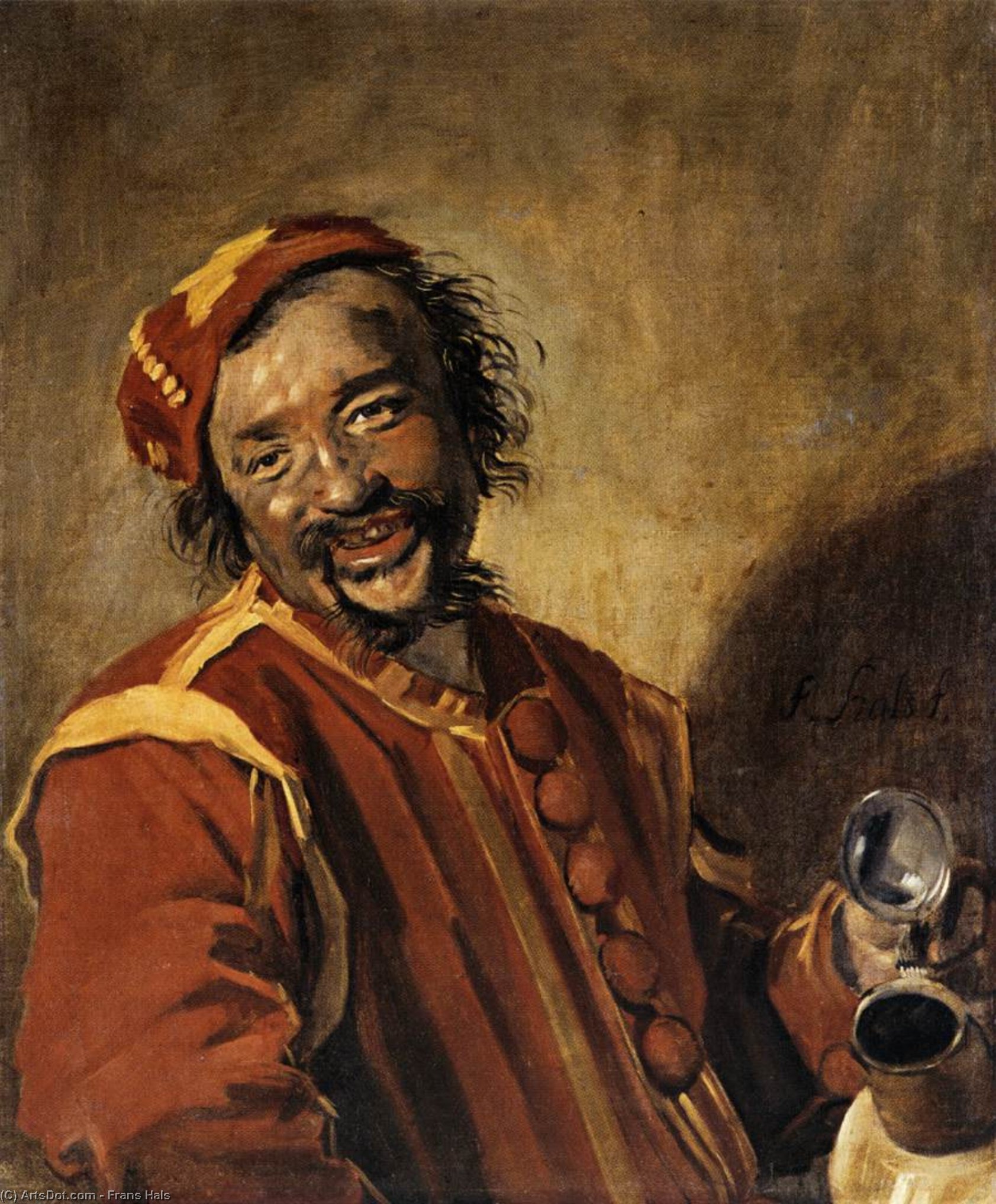
Peeckelhaering

Frans Hals’s ‘Peeckelhaering,’ a vibrant Dutch Golden Age portrait of an actor in character, showcases his signature loose brushwork and captures the humor of intemperance. Discover this captivating piece and bring its timeless charm into your collection.


ハルス (1580 - 1585)

フランク・ハルス1世:オランダ黄金時代の肖像画と風俗画の巨匠。流れるような筆致で人物の内面を捉え、革新的な表現で時代を彩りました。代表作は「笑う騎兵」など。#フランクハルス #オランダ美術

カッセル州立美術館 (カッセル, ドイツ)

アートと童話の世界へ!カッセルでレンブラントの傑作、フリードリキアヌ美術館の現代アート、そしてグリム兄弟の魔法のような世界を体験しましょう。シュタットリッヘ・クンストザムルング・カッセルへぜひお越しください!

Frans Hals's "Peeckelhaering": A Glimpse into Dutch Golden Age Merriment

  • Painted in 1628, Frans Hals’s “Peeckelhaering” is more than just a portrait; it’s a vibrant snapshot of the Dutch Golden Age, brimming with theatricality and a delightfully mischievous spirit. The painting depicts a man – identified as Peeckelhaering or Pickelherring – a stock character from European comic theatre, rendered with Hals's signature loose brushwork and captivating realism. This figure, embodying the jestering fool, holds a wine glass, his expression hinting at the excesses of intemperance, a common theme in Dutch art during this period.
  • The subject’s costume – a flamboyant red garment adorned with gold trim – immediately draws the eye, echoing the vibrant colors favored by jesters since the 16th century. The dark makeup applied to the man's face further emphasizes his role as an actor, solidifying the painting’s connection to the stage and highlighting Hals’s innovative approach to capturing personality through theatrical representation.

Artistic Techniques: A Masterclass in Dutch Realism

  • Frans Hals was renowned for his revolutionary technique of applying paint with loose, expressive brushstrokes. In “Peeckelhaering,” this is strikingly evident; the fluid strokes define the subject’s features, creating a sense of movement and immediacy that transcends mere representation. The vibrant colors of the costume are not applied in a flat manner but layered to create depth and luminosity.
  • The background, subtly populated with partially visible figures, adds another layer of complexity to the composition. This technique, characteristic of Hals’s work, creates a sense of interaction and movement, blurring the lines between portraiture and genre painting – a hallmark of his artistic vision.

Historical Context: The Rise of the Dutch Golden Age

  • “Peeckelhaering” was created during the height of the Dutch Golden Age (roughly 1600-1700), a period of unprecedented artistic and economic prosperity in the Netherlands. This era witnessed an explosion of creativity, fueled by trade, wealth, and a burgeoning merchant class eager to display their status through art.
  • The figure of Peeckelhaering itself reflects this cultural landscape – a reminder of the importance of entertainment and leisure within Dutch society. The character’s association with comic theatre speaks to the value placed on humor and social commentary, themes frequently explored in Dutch art during this time.

Symbolism and Emotional Impact

  • Beyond its technical brilliance, “Peeckelhaering” possesses a potent emotional resonance. Hals’s ability to capture the subject's slightly woozy expression invites us to contemplate themes of indulgence, folly, and perhaps even the fleeting nature of pleasure.
  • The painting’s overall effect is one of playful exuberance, capturing a moment of uninhibited merriment that continues to delight viewers centuries later. It serves as a testament to Hals's genius in translating complex human emotions onto canvas with remarkable skill and sensitivity.