A Glimpse Into Haarlem’s Golden Age
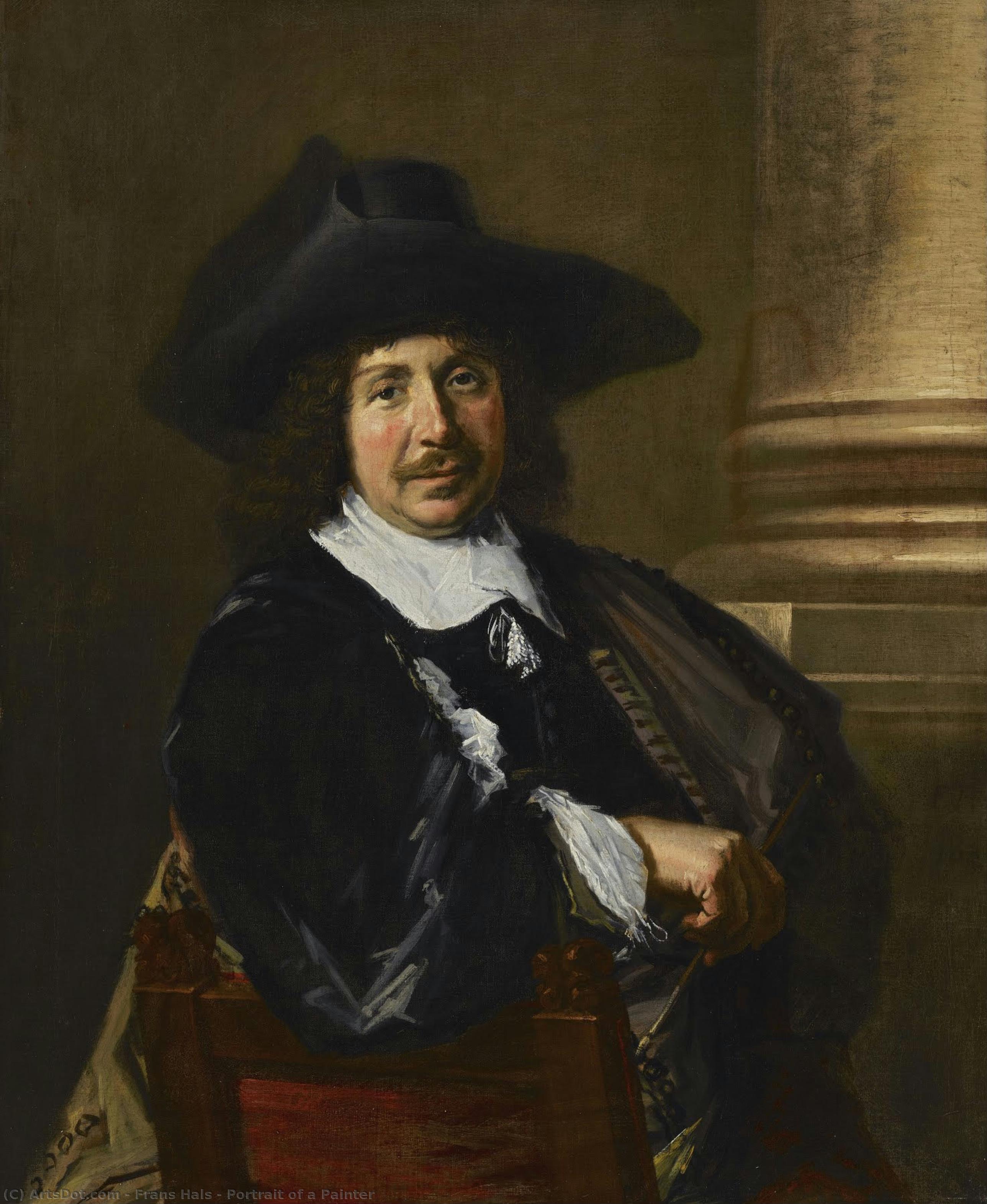
To gaze upon Frans Hals I's Portrait of a Painter is to step through a portal into the vibrant, bustling heart of the seventeenth-century Dutch Republic. Completed around 1650, this masterpiece serves as much more than a mere likeness of a man; it is a carefully constructed window into the prosperity and cultural sophistication of Haarlem during its Golden Age. The subject, captured in a moment of quiet, dignified reflection, sits before an architectural backdrop of stately columns that lend an air of permanence and classical grandeur to the composition. Every element, from the subtle play of light on his features to the opulent textures of his attire, whispers stories of a society finding its footing amidst economic triumph and artistic revolution.
The painting invites viewers to contemplate the intersection of identity and profession. The man, dressed in fine clothing that signals his elevated social standing, holds his chin with a thoughtful gesture, suggesting a mind engaged in deep introspection or perhaps the creative contemplation essential to his craft. This sense of character is what makes the work so enduringly magnetic for collectors and decorators alike; it possesses an inherent soul that transcends the era in which it was painted, offering a timeless elegance that complements any refined interior space.
The Mastery of Spontaneous Brushwork
What truly distinguishes this work—and what defines the legendary hand of Frans Hals—is his revolutionary approach to technique. While many of his contemporaries were preoccupied with the painstaking, almost invisible layering of paint to achieve a porcelain-like smoothness, Hals championed a radical style of spontaneity. He utilized a loose, expressive brushstroke that seems to dance across the canvas, imbuing the portrait with an unparalleled sense of movement and immediacy.
Through the masterful application of thick impasto, Hals created a tactile surface where the energy of the artist's hand is still palpable. He did not merely replicate the appearance of fabric or skin; he captured their very essence through rapid, confident strokes and subtle color blending. This technique allows the light to catch the ridges of the paint, creating a dynamic visual experience that changes as one moves around the piece. For the discerning art lover, this texture provides a visceral connection to the moment of creation, making a high-quality reproduction of such a work a breathtaking focal point for a room.
Symbolism and Emotional Resonance
Beyond the technical brilliance lies a profound layer of visual language. The Portrait of a Painter is steeped in the symbolism of the Dutch Baroque. The inclusion of the two columns behind the subject acts as an architectural metaphor for stability and strength, mirroring the rising power of the Dutch middle class. His attire, featuring a black hat adorned with a delicate white feather, serves as a testament to the era's mercantile wealth and the flourishing of individual expression.
The emotional impact of the piece is found in its balance between presence and mystery. There is a directness in the subject's gaze that establishes an intimate connection with the viewer, yet there remains an enigmatic quality to his expression—a fleeting emotion caught in time. This duality makes the painting an extraordinary choice for interior designers seeking to evoke a sense of history, intellect, and quiet drama. Whether placed in a sunlit gallery or a moody, private study, this portrait continues to inspire awe, reminding us of the enduring power of art to capture the fleeting spirit of humanity.