Little Wolf, A Famos Warrior: A Glimpse into Native American Culture
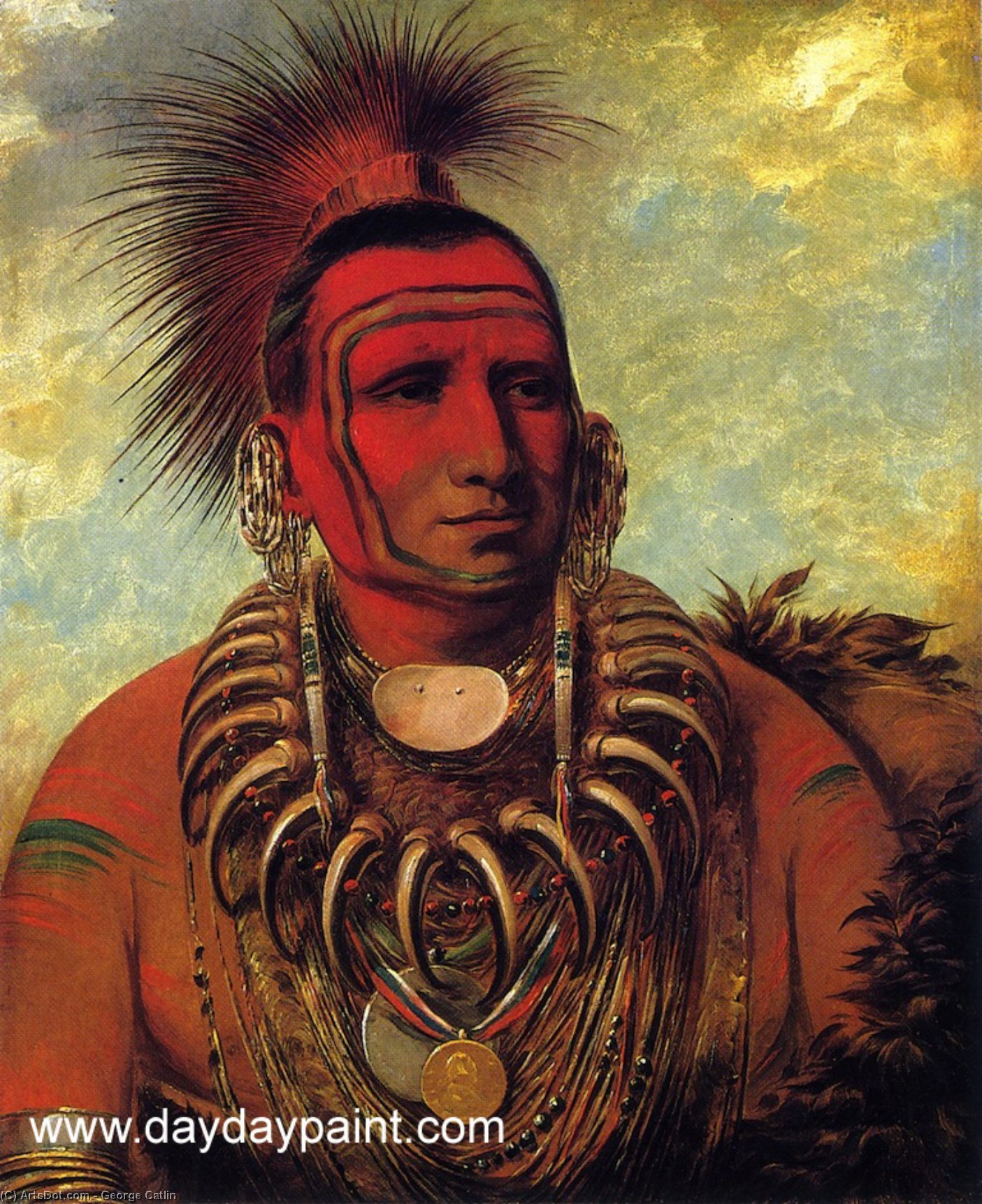
The captivating oil on canvas painting, Little Wolf, A Famos Warrior, created by renowned artist George Catlin in 1844, is a testament to the rich cultural heritage of Native American tribes. This stunning piece is part of the esteemed collection at the Smithsonian American Art Museum in the United States. As a professional expert in Art and salesman at https://ArtsDot.com, I am delighted to delve into the significance and beauty of this artwork.
Artist's Vision and Technique
George Catlin's work is characterized by his exceptional attention to detail and ability to capture the essence of his subjects. In Little Wolf, A Famos Warrior, he masterfully employs oil on canvas to convey the intensity and pride of the Native American warrior. The painting's composition, featuring the subject with a feather in his head and red face paint, is a striking representation of the cultural traditions of the time.
- The use of vibrant colors to accentuate the subject's regalia and facial markings
- The subtle yet powerful expression of the warrior, conveying a sense of strength and dignity
- The incorporation of symbolic elements, such as the bird perched near the top-right corner, adding depth and meaning to the artwork
Historical Context and Symbolism
Catlin embarked on a series of expeditions in the 1830s to document Native American life before it was irrevocably altered by westward expansion. Little Wolf, A Famos Warrior is part of this larger project aimed at preserving a visual record of cultures facing significant change. The painting offers valuable insight into the material culture and social structures of the Iowa tribe.
- Medals: The medals worn by Little Wolf signify recognition from both the United States government (Tyler administration) and the French monarchy, highlighting diplomatic relations and acknowledging his bravery in defending his people.
- Facial Paint & Feather: These are not merely decorative; they represent status, tribal affiliation, and spiritual significance within the Iowa community. The red paint likely held symbolic meaning related to war or power.
- Pierced Ears with Wampum: The repeated piercings and wampum beads demonstrate a commitment to tradition and adornment, signifying importance and perhaps lineage.
Emotional Impact and Artistic Style
Catlin’s style blends realism with romanticism, characteristic of the Hudson River School movement. The diffused lighting and careful rendering of details create an atmosphere of dignity and respect for the subject. The painting evokes a sense of quiet strength and resilience in Little Wolf's gaze. While acknowledging the historical context of cultural documentation, Catlin’s portrayal avoids caricature, presenting a dignified portrait of a leader.
Availability and Reproduction
For art enthusiasts and collectors, https://ArtsDot.com offers exquisite handmade oil painting reproductions of Little Wolf, A Famos Warrior. These meticulously crafted pieces allow individuals to own a part of history and appreciate the beauty of George Catlin's work in their own homes. Visit /art/list/?Filter=8YDDYB-George-Catlin-LIttle-Wolf-A-Famos-Warrior to explore more about this painting and discover other remarkable works by George Catlin, such as Wichita Lodge, Thatched with Prairie Grass and Shon ta yi ga, Little Wolf, a Famous Warrior.